
Last updated November 4, 2026
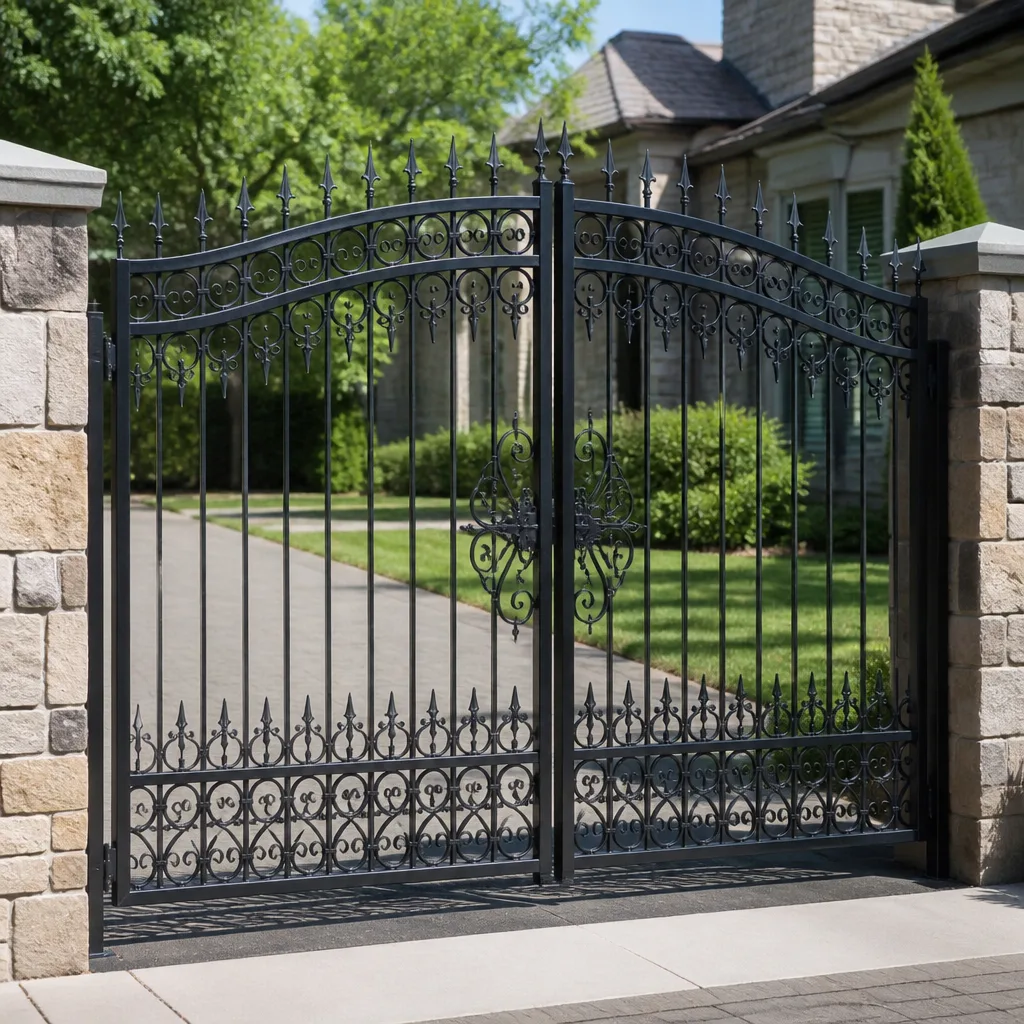 Wrought iron
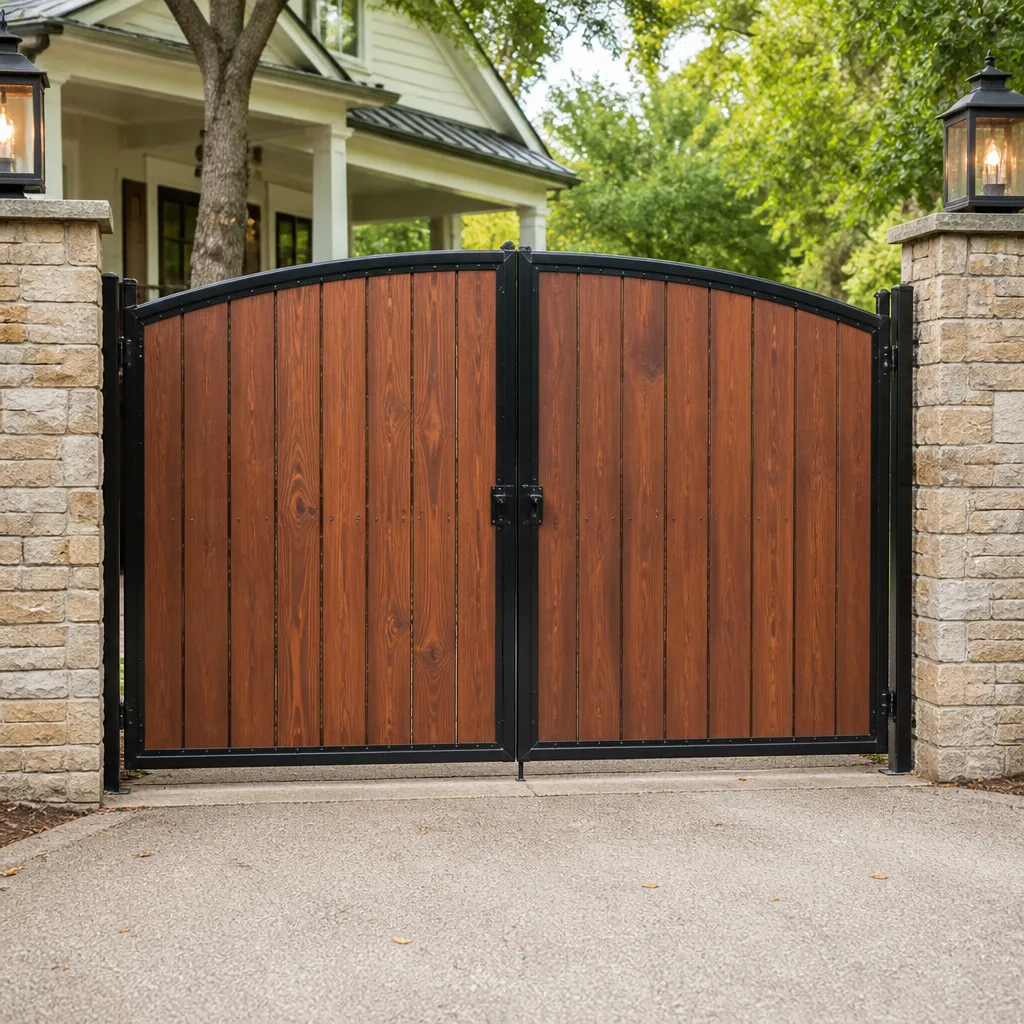 Wood & steel frame
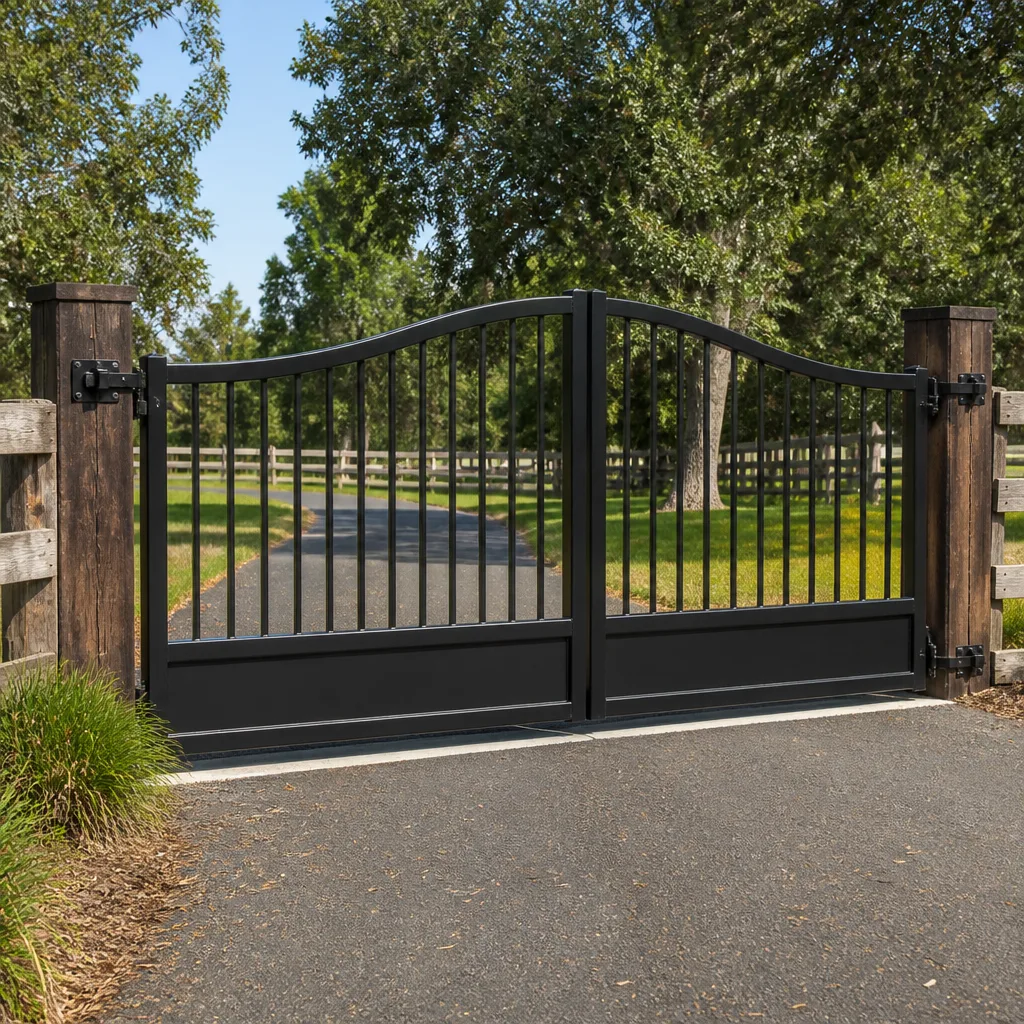 Farm & ranch
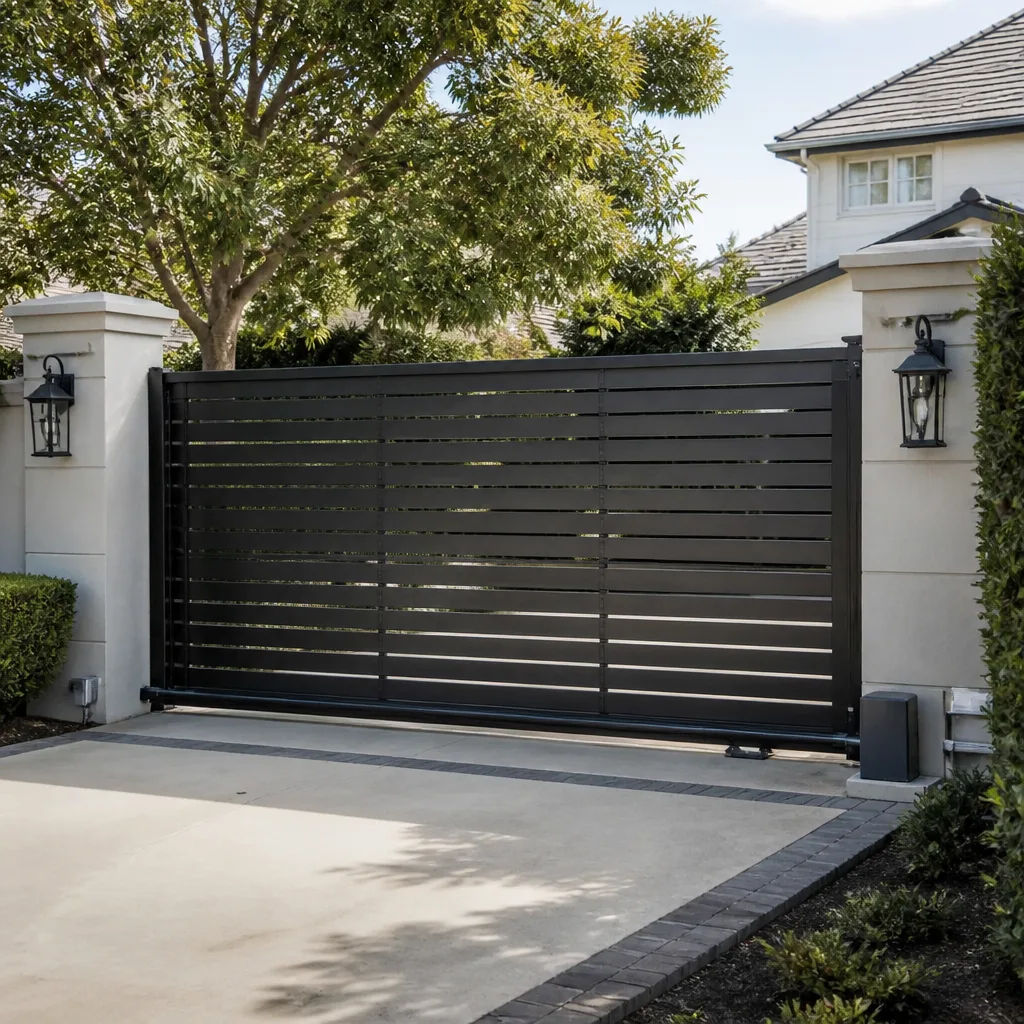 Sliding driveway gates
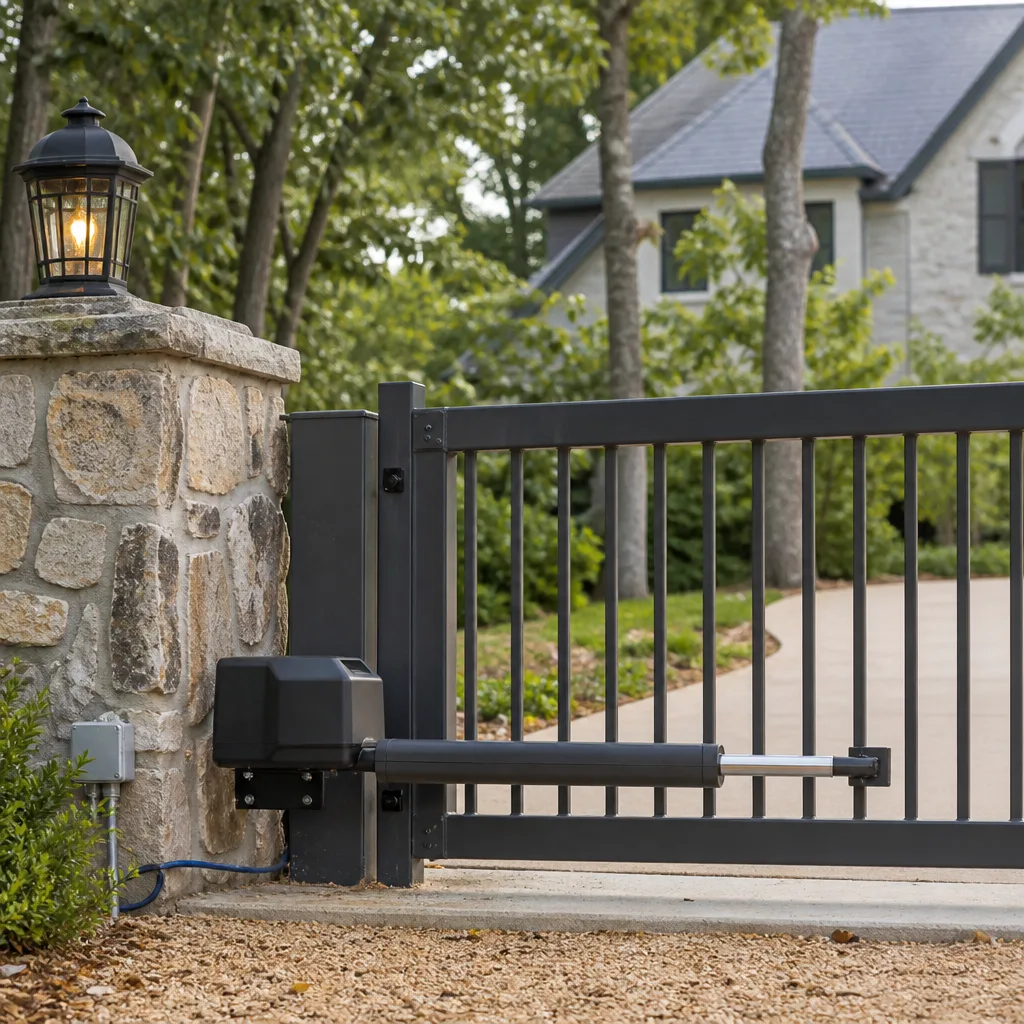 LiftMaster operators
Free on-site gate assessment - hinges, posts, and your LiftMaster or Nice gate operator checked before anything is quoted
The assessment is free and the quote is the invoice.
Get your free estimateGate Repair Maintenance Schedule: What to Do and When
The industry-standard “annual gate service” recommendation was written for mild climates. In Moreno Valley, where summer temperatures regularly exceed 105°F, that schedule leaves your gate’s grease oxidized, your battery backup degraded, and your photo eyes coated in dust for nine months too long. Most gate failures we see aren’t sudden breakdowns. They’re the result of maintenance intervals that don’t match how a gate actually wears in this specific environment. This guide gives you a month-by-month framework built around local climate conditions, so you’re addressing problems before they strand you outside your own property.
Quick Answer
A proper gate maintenance schedule in Moreno Valley has three tiers: monthly visual checks and manual release tests, quarterly lubrication and sensor cleaning, and annual battery load testing, limit switch calibration, and full mechanical inspection. Summer heat means re-lubricating every 90 days instead of every six months, and dust from the dry season means cleaning photo eyes more often than coastal-climate guides suggest. The single most skipped task is testing the manual disconnect under simulated power failure, which is the one thing you’ll need most during an outage.
Styles & brands we work with
- Wrought iron
- Wood & steel frame
- Farm & ranch
- Sliding driveway gates
- LiftMaster operators
Table of Contents
- Monthly Checks: The Five-Minute Walkaround
- Quarterly Tasks: Lubrication and Sensor Cleaning
- Annual Work: Battery, Limits, and Full Inspection
- Moreno Valley Climate: Why Your Schedule Differs
- The Manual Disconnect Test Everyone Skips
- Commercial vs. Residential: Cycle Counts and Service Intervals
- Building a Maintenance Log a Technician Can Use
- Common Mistakes to Avoid
- When to Call a Professional
- Frequently Asked Questions
Monthly Checks: The Five-Minute Walkaround
Monthly maintenance is not about fixing anything. It’s about catching changes before they become failures. A gate that squeaks slightly this month will grind next month and seize the month after. In Moreno Valley’s dusty conditions, even thirty days of accumulated grit changes how a gate moves.
Here’s the five-minute monthly walkthrough, in order:
- Watch one full open-and-close cycle. Stand where you can see the gate from hinge to latch. Note any hesitation, jerking, or speed changes mid-travel.
- Listen for new sounds. A light squeak from the hinge area is different from a grinding sound near the operator motor. Grinding means metal-on-metal contact, which is urgent.
- Check the track or wheels. Look for accumulated dirt, pebbles, or plant debris in the gate’s path. Slide gates are especially vulnerable to debris in the track.
- Test the safety reversal. Place a trash can or similar object in the gate’s path and trigger the gate. It should reverse within a second. If it doesn’t, disconnect the operator and call for service.
- Glance at the photo eyes. Dust and spiderwebs are the two biggest culprits for false obstruction signals in Moreno Valley.
For most homeowners, this takes less time than brewing coffee. The point is regularity. If you do this every single month, you’ll know within seconds when something has changed.
Quarterly Tasks: Lubrication and Sensor Cleaning
Quarterly maintenance is where the schedule diverges from generic advice. In a mild coastal climate, lubricating gate hinges every six months works. In Moreno Valley, summer heat oxidizes and thins grease quickly, and dust mixes into any lubricant that remains exposed. We recommend re-lubricating every 90 days during the hot months and every four months the rest of the year.
What gets lubricated depends on your gate type:
- Swing gates: Hinges, pivot points, and the latch mechanism. Use a heavy-duty lithium or marine-grade grease that holds up above 100°F. Spray lubricants like WD-40 are too thin and evaporate within weeks here.
- Slide gates: V-track wheels, rollers, and the drive chain or belt if your operator uses one. Wipe the track clean before lubricating anything, or you’re just making mud.
- Both types: The manual release mechanism and any external moving hardware, gate stops, and the lock if it’s mechanical.
Sensor cleaning deserves equal attention. Photo eyes get coated in fine dust during Moreno Valley’s dry spells, and a dirty sensor lens causes exactly the same symptom as a misaligned one: the gate refuses to close or reverses for no visible reason. Clean the lenses with a dry microfiber cloth. Don’t use glass cleaner, it can leave a residue that attracts more dust.
Annual Work: Battery, Limits, and Full Inspection
Once a year, the gate needs a deeper check than a walkaround. This is the tier where problems that have no obvious symptom yet get caught. Most of these tasks require a multimeter and some disassembly, which is why many homeowners book a professional visit for the annual tier while handling monthly and quarterly checks themselves.
Annual work includes:
- Battery backup load test. A backup battery can read full voltage and still fail under load. The test means putting the battery under simulated open/close cycles while disconnected from mains power. In Moreno Valley, where summer heat shortens battery life, a battery past two years old should be tested and likely replaced.
- Limit switch calibration. Limit switches tell the gate where to stop. Over a year of use, switches drift slightly. A gate that starts slamming into the closed position or stopping an inch short of fully open is telling you the limits have moved.
- Full mechanical inspection. Every bolt, hinge, wheel, and bracket gets checked. Look for hairline cracks in welds, rust starting at the base of posts, and any loosening of fasteners.
- Operator torque check. The operator should not be working harder than it did when installed. Increased amp draw means increased drag somewhere, usually a hinge that’s binding or a wheel that’s wearing flat.
- Wiring and connection check. Loose terminal connections heat up and fail over time. This is arguably the most common cause of intermittent electric gate repair calls we handle.
If you’re not comfortable doing any of these yourself, book the annual visit. The cost of a professional inspection in Moreno Valley is typically lower than the cost of an emergency repair on a summer afternoon.
Moreno Valley Climate: Why Your Schedule Differs
Generic maintenance guides are written for generic climates. Moreno Valley is not generic. Summer days regularly top 100°F and stay above 105°F in July and August. The dry season leaves a layer of fine dust on anything outside. That combination changes the maintenance math in three specific ways.
First, heat breaks down lubricants faster. Grease that lasts six months in a temperate climate thins out and oxidizes in three months of triple-digit heat. Once the grease is gone, metal-on-metal contact begins, and you’re no longer maintaining, you’re repairing.
Second, dust is not just cosmetic. Dust accumulation on photo eyes causes false obstruction signals. Dust inside the operator cabinet clogs cooling vents and can push circuit boards to fail earlier. Dust mixed with grease forms an abrasive paste that accelerates wear on hinges and rollers. Cleaning has to happen more frequently here than elsewhere.
Third, batteries degrade faster in heat. Lead-acid and AGM batteries both lose lifespan as ambient temperature rises. A backup battery that might last three years in a milder climate should be proactively tested and often replaced after two years here. The failure mode is quiet: the battery reads fine on a voltage check, then dies completely the first time it’s actually needed.
This is why the annual schedule alone doesn’t work. If you’re servicing your gate once a year in this climate, you’re letting the quarterly items slide for nine months past their useful life.
The Manual Disconnect Test Everyone Skips
The manual disconnect is the mechanism that lets you open your gate by hand when the power is out or the operator fails. On paper, every gate has one. In practice, we regularly find disconnect levers that have never been used since installation, and some have seized in place.
The disconnect is a mechanical lever or key release located on the operator arm or near the gate itself. Pulling it separates the gate from the operator, allowing manual movement. Here’s why the test is the most important skipped task on any gate: when a power outage hits and the battery backup is depleted, the manual disconnect is the only way in or out. If it hasn’t been tested in a year, there’s a real chance it won’t budge.
The test takes ninety seconds:
- Simulate a power failure by turning off the breaker to the gate operator.
- Pull the manual disconnect.
- Push the gate through its full range of motion by hand.
- Re-engage the disconnect and restore power.
- Confirm the operator re-latches and controls the gate normally.
Do this monthly. If the disconnect is stiff, don’t force it. Lubricate the mechanism and try again next month. If it’s still stuck, that’s a service call. In our experience with gates across Moreno Valley, the disconnect is one of the least-maintained parts on any automatic gate system. It’s also the part you’ll need most when everything else has failed.
Commercial vs. Residential: Cycle Counts and Service Intervals
A residential gate opens maybe six to ten times a day. A commercial gate at an apartment complex, industrial yard, or gated community might open sixty to a hundred times a day. That’s a tenfold difference in cycle count, and cycle count is the true measure of wear, not calendar time.
Here’s the practical implication: if a commercial gate in Moreno Valley runs ninety cycles per day, it passes a residential gate’s annual cycle count in under two weeks. Quarterly maintenance for a commercial operator might be insufficient. Monthly checks become non-negotiable, and annual professional inspections should happen more often for high-traffic operators.
Commercial gate operators from brands like DoorKing and Elite are built for heavy use, but heavy use shortens service intervals. A commercial operator running continuously in summer heat needs the same lubrication attention as a residential gate, just more often. Photo eyes need daily or weekly cleaning, not quarterly. Limit switches drift faster. Battery backups get tested quarterly, not annually.
If you manage a commercial property in Moreno Valley, the right service interval is driven by cycle count. Track how many times your gate opens per day, then set your schedule by total cycles: every 2,500 to 3,000 cycles for lubrication and inspection, with the understanding that high-heat months compress that interval further. For a busy apartment gate, that might mean lubrication every three weeks in July and August.
Building a Maintenance Log a Technician Can Use
When a gate fails and you call for gate repair, the technician’s first question is always about history. When did the problem start? What changed recently? Has this happened before? A simple maintenance log answers those questions in thirty seconds and cuts diagnostic time in half.
A useful log does not need to be elaborate. A three-ring binder in the garage or a note on your phone works. What matters is what you record:
- Date and time of every maintenance task, check, and observation.
- What you did: lubricated hinges, cleaned photo eyes, tested manual release, and so on.
- What you noticed: new squeak, slower travel, hesitation at a specific point, error code on the operator’s display.
- Weather context: was it 110°F when the gate started moving slowly? Did the problem appear after a dust storm? Heat-related and dust-related failures look identical to mechanical wear unless you note the conditions.
- Any parts replaced, including battery replacements, with date and brand.
A log with six months of entries turns a vague “it’s been acting weird” into “the gate has been hesitating on hot afternoons since July 14th.” That specificity saves diagnostic time, which saves service call time, which saves money. Gate systems from Mighty Mule and Gate Repair Moreno Valley‘s other supported brands all have their own failure patterns. Your log gives the technician the context they’d otherwise spend an hour recreating.
Common Mistakes to Avoid
- Following an annual-only schedule. Twelve months is too long between lubrication cycles in Moreno Valley heat. Grease oxidizes, metal grinds, and what could have been a quarterly task becomes a replacement job.
- Using the wrong lubricant. Spray penetrating oils disappear within weeks in triple-digit heat. Use heavy-duty lithium or high-temperature grease designed for outdoor mechanical equipment, and reapply every 90 days in summer.
- Ignoring photo eyes until the gate misbehaves. Dust accumulates gradually, and the first symptom might be a gate that refuses to close at all. Clean the lenses monthly during the dry season before the gate faults out.
- Testing the manual disconnect only when the power fails. If the disconnect has seized, you’ll discover it at the worst possible moment. That test takes under two minutes and belongs on every monthly checklist.
- Treating a residential gate and a commercial gate as the same service interval. A commercial operator running ninety cycles a day needs maintenance ten times more often than a residential gate doing nine cycles a day.
- Not keeping a log. Memory fades, but a written record tells a technician exactly what changed and when. The log is the cheapest diagnostic tool you’ll ever own.
- Lubricating without cleaning first. Grease over dirt creates an abrasive paste that accelerates wear. Wipe components clean, then lubricate. The sequence matters more than most people realize.
When to Call a Professional
Some maintenance tasks genuinely need a professional, either for safety or for diagnostic depth. Any electrical diagnosis past checking a breaker belongs with someone who works on gate systems regularly. If the gate trips its breaker repeatedly, that indicates a short or an overloaded operator, and both require testing before the problem becomes a fire hazard. A gate that slams, stops abruptly, or reverses unexpectedly needs limit switch and safety edge work, which involves live electricity and moving steel. If the gate is visibly leaning, bogging down, or grinding from the operator end, the underlying cause is often mechanical drag that has been ignored too long. Don’t guess. Gate Repair Moreno Valley offers free estimates in Moreno Valley. Call (844) 614-1023 and describe what you’re seeing. We answer 24/7. Fast dispatch from 7am to 7pm, Sunday through Friday.
Frequently Asked Questions
Every 90 days during the hot months and every four months the rest of the year. Triple-digit summer heat thins and oxidizes grease faster than milder climates, so the standard six-month recommendation doesn’t hold up here.
Testing the manual disconnect under simulated power failure. It’s the task almost everyone skips, and it’s the one you’ll need most during an outage. A stuck disconnect means you’re climbing a fence or waiting for a technician when you shouldn’t be.
Yes. Commercial gates operate on cycle count, not calendar time. A gate doing ninety cycles per day needs lubrication and inspection dramatically more often than a residential gate doing nine. Set service intervals by total cycles, roughly every 2,500 to 3,000 cycles, and compress that during summer.
Usually it’s dust on the photo eyes or a heat-related sensor fault. In Moreno Valley’s dry season, fine dust coats the photo eye lenses and triggers false obstruction signals. Clean the lenses with a dry microfiber cloth and see if the problem clears.
A voltage reading alone won’t tell you. The battery needs a load test, which means running the gate on battery power and watching for voltage collapse under load. In Moreno Valley heat, backup batteries often need replacement every two years even if they look fine.
Yes. A simple log with dates, tasks, and observations cuts diagnostic time significantly when something does go wrong. It gives the technician context that would otherwise take an hour to reconstruct, and it means you’re not paying for that hour. Call (844) 614-1023 for an exact quote on any service, estimates are free.
The Bottom Line
Gate maintenance in Moreno Valley is not an annual event. It’s a layered schedule: monthly walkarounds and manual release tests, quarterly lubrication and photo eye cleaning, and annual battery load tests, limit calibration, and full inspection. Summer heat and persistent dust compress every interval. The manual disconnect test matters more than any other single task, and a simple written log turns every future service call into a faster, cheaper one. If you’re not sure where your gate stands, start with the monthly walkaround today. If something’s already wrong, call (844) 614-1023. We answer 24/7. Fast dispatch from 7am to 7pm, Sunday through Friday.
Written by the team at Gate Repair Moreno Valley, serving Moreno Valley since 2015.
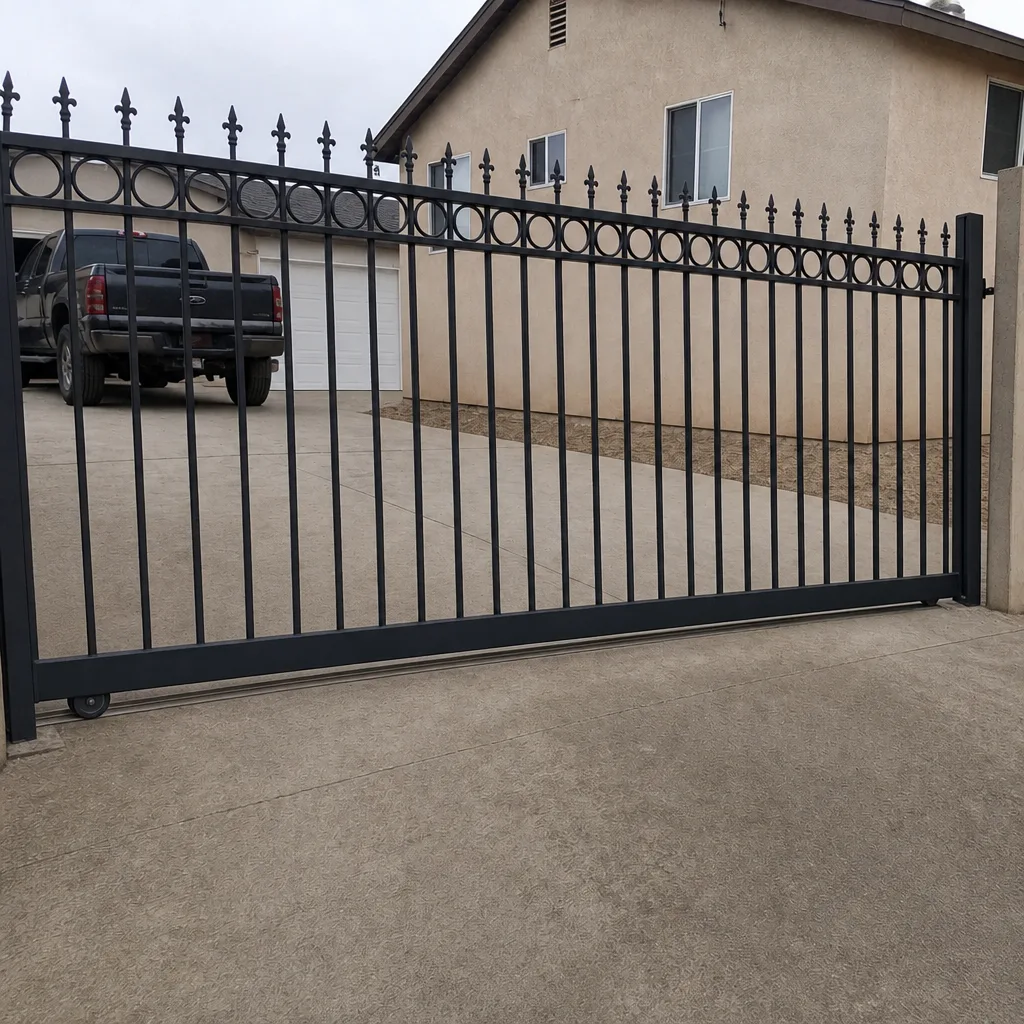
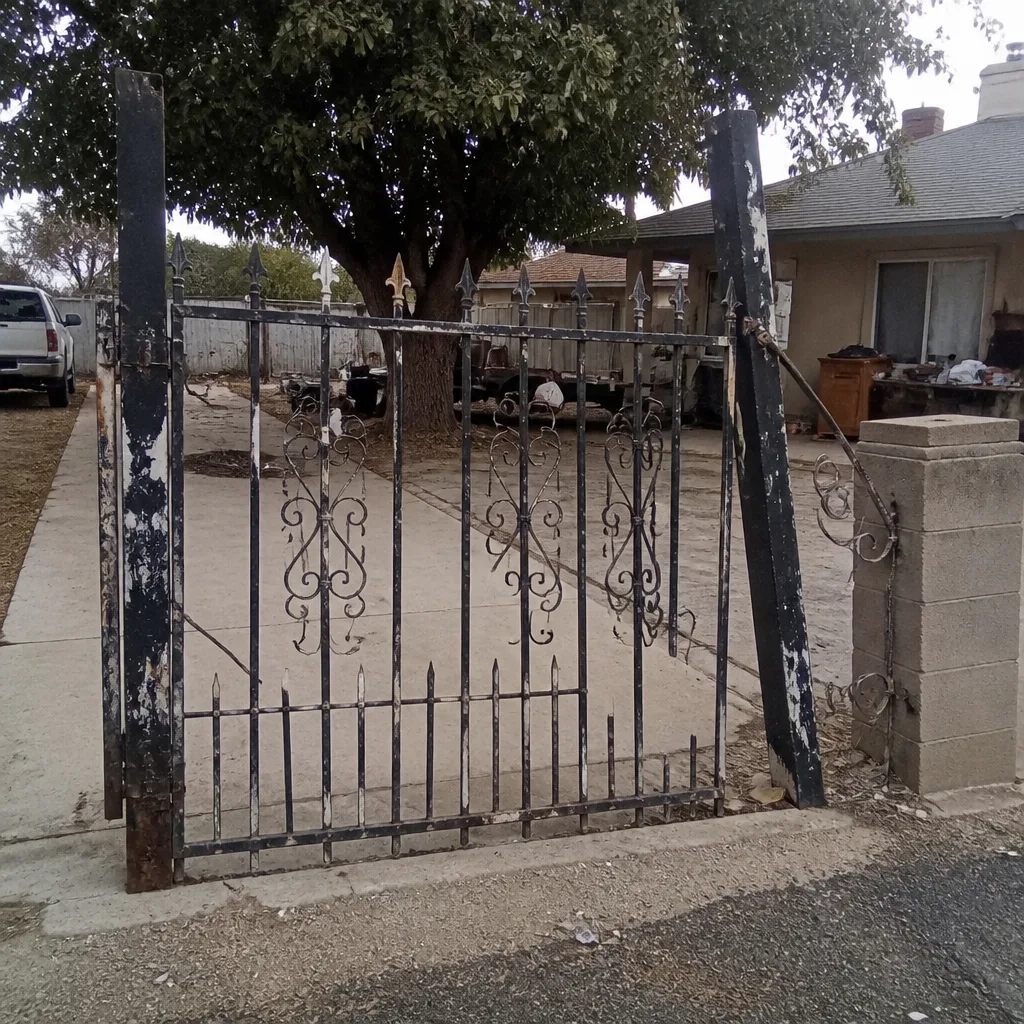
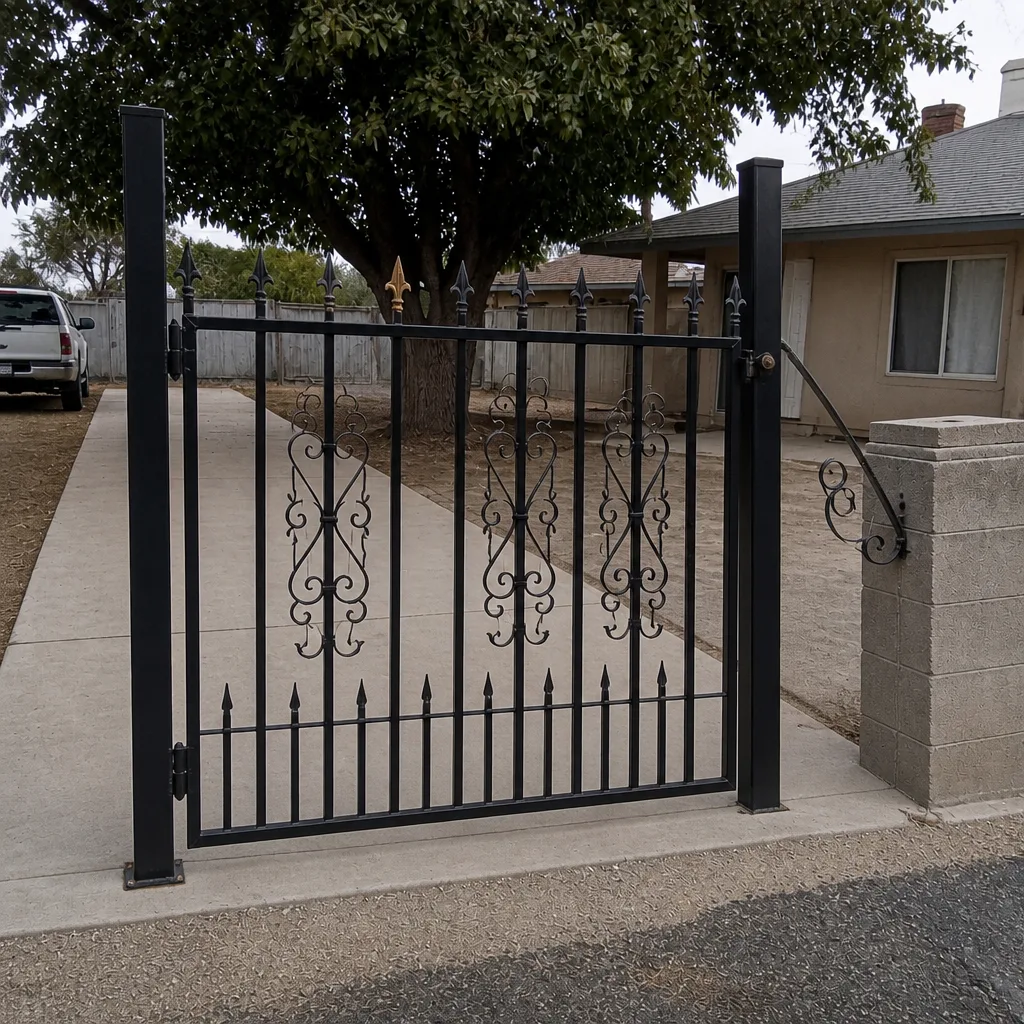
See the difference
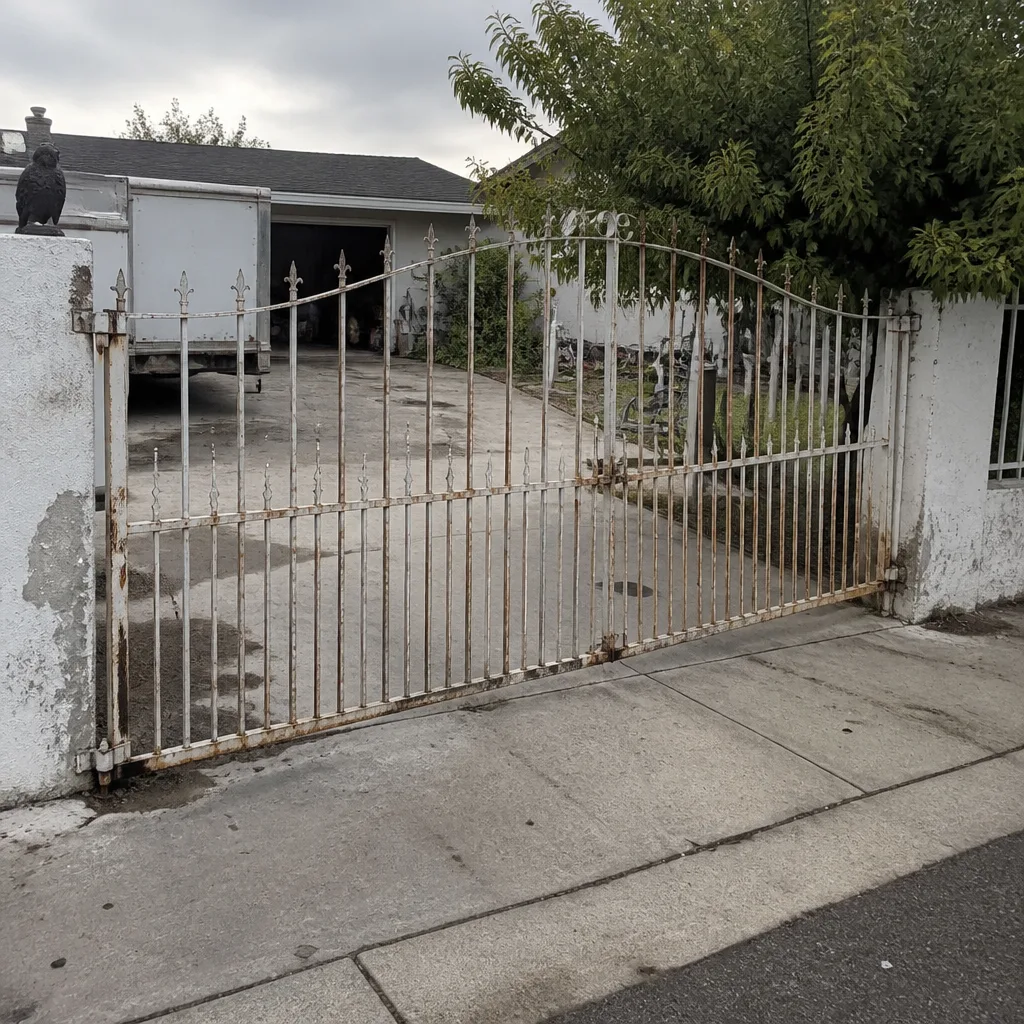 Before
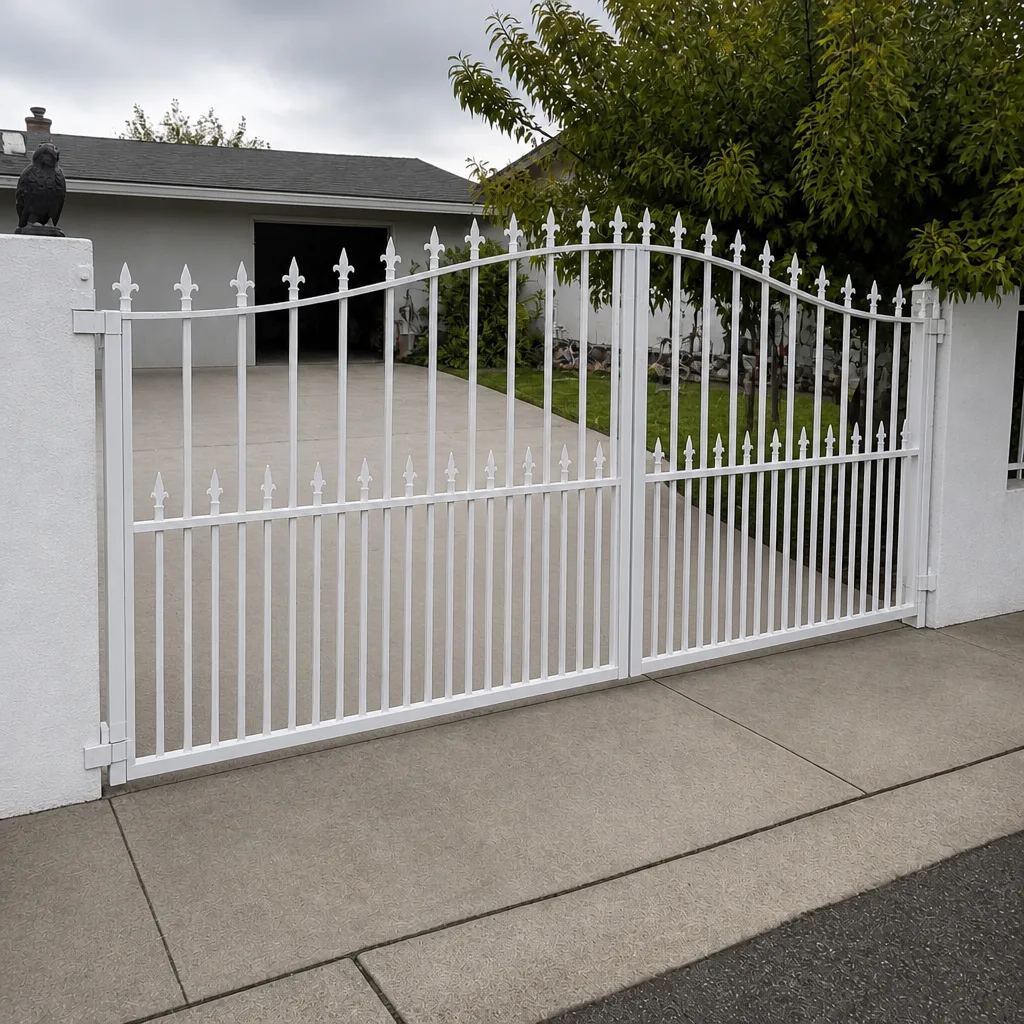 After
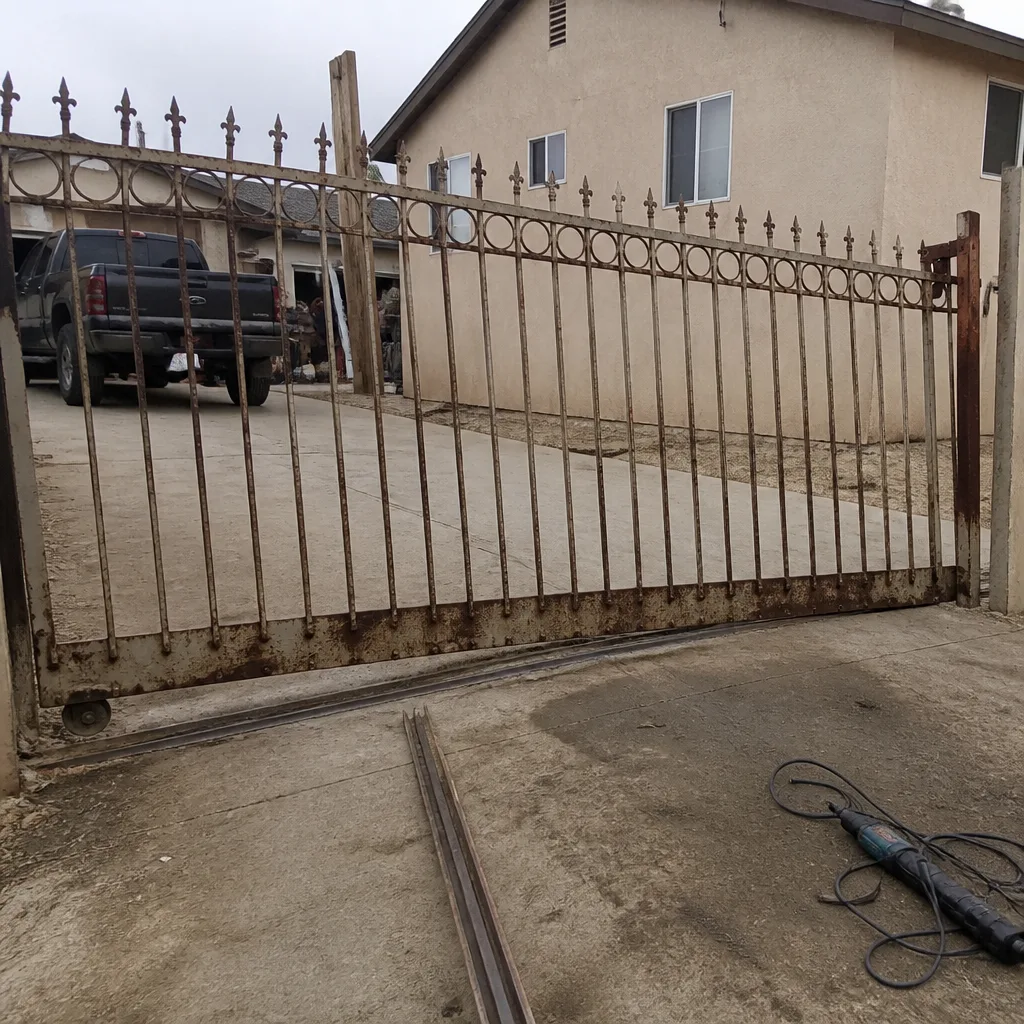 Before
 After
 Before
 After