
Last updated November 4, 2026
 Wrought iron
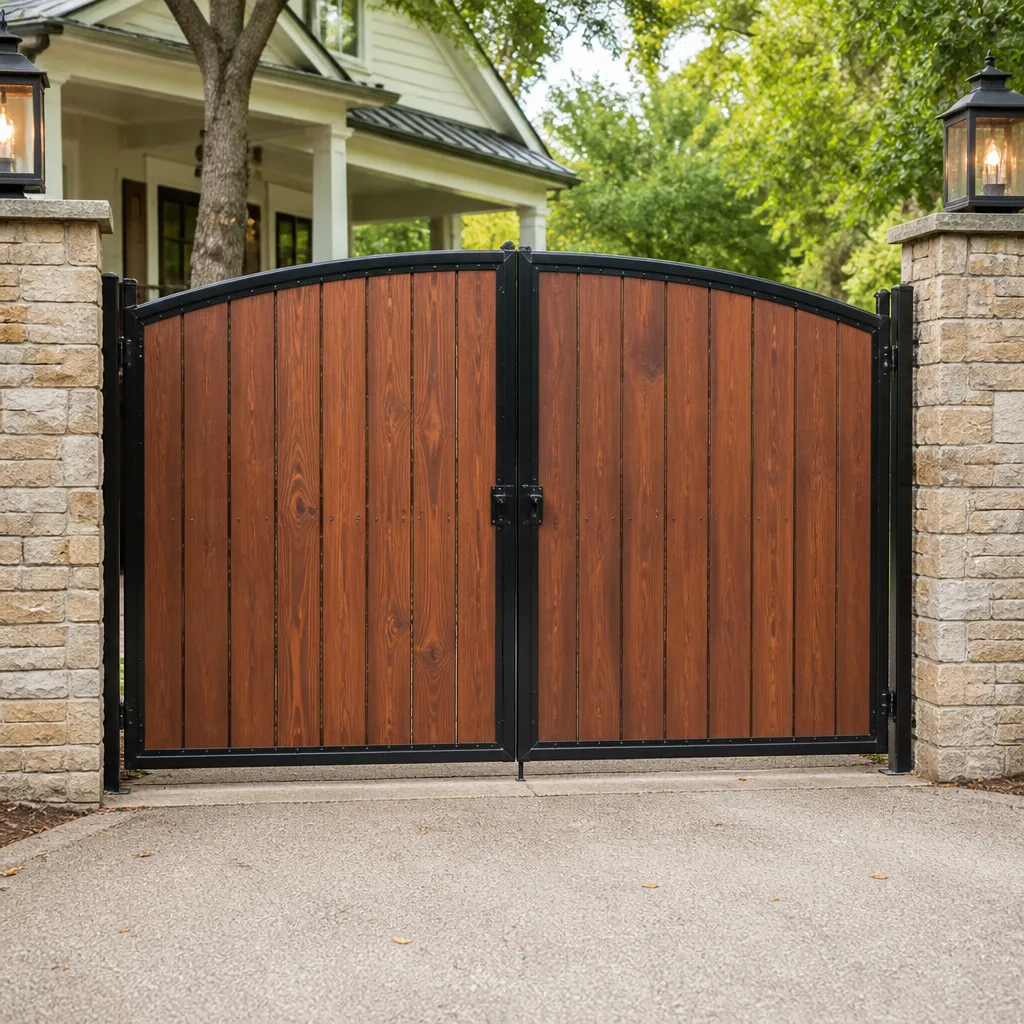 Wood & steel frame
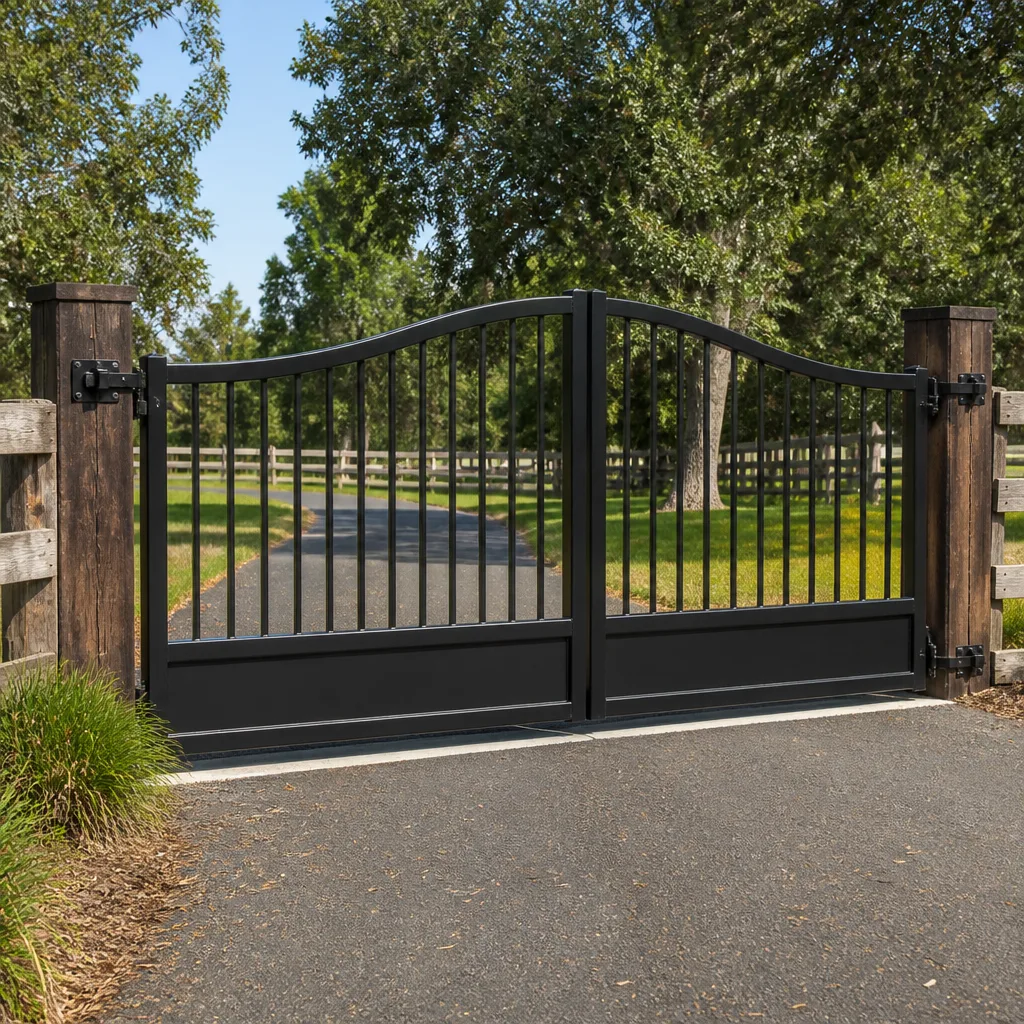 Farm & ranch
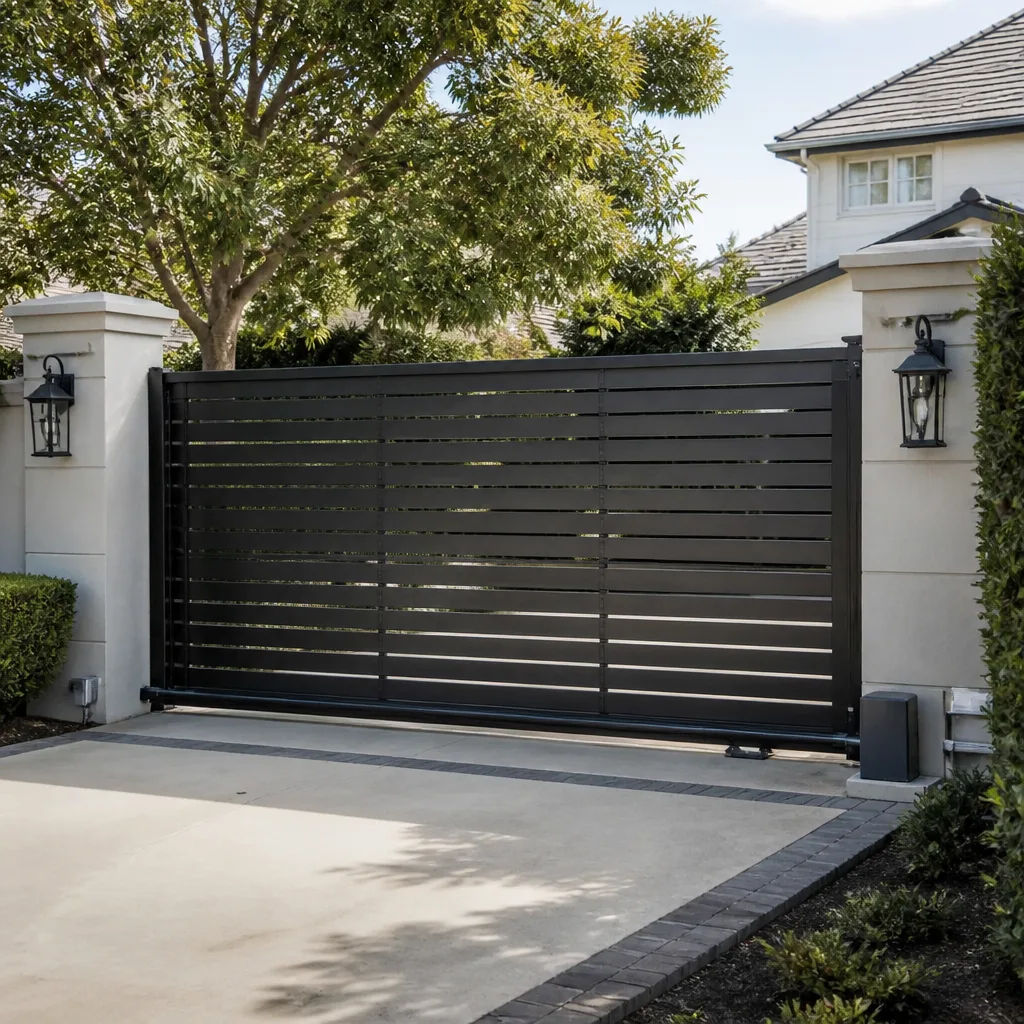 Sliding driveway gates
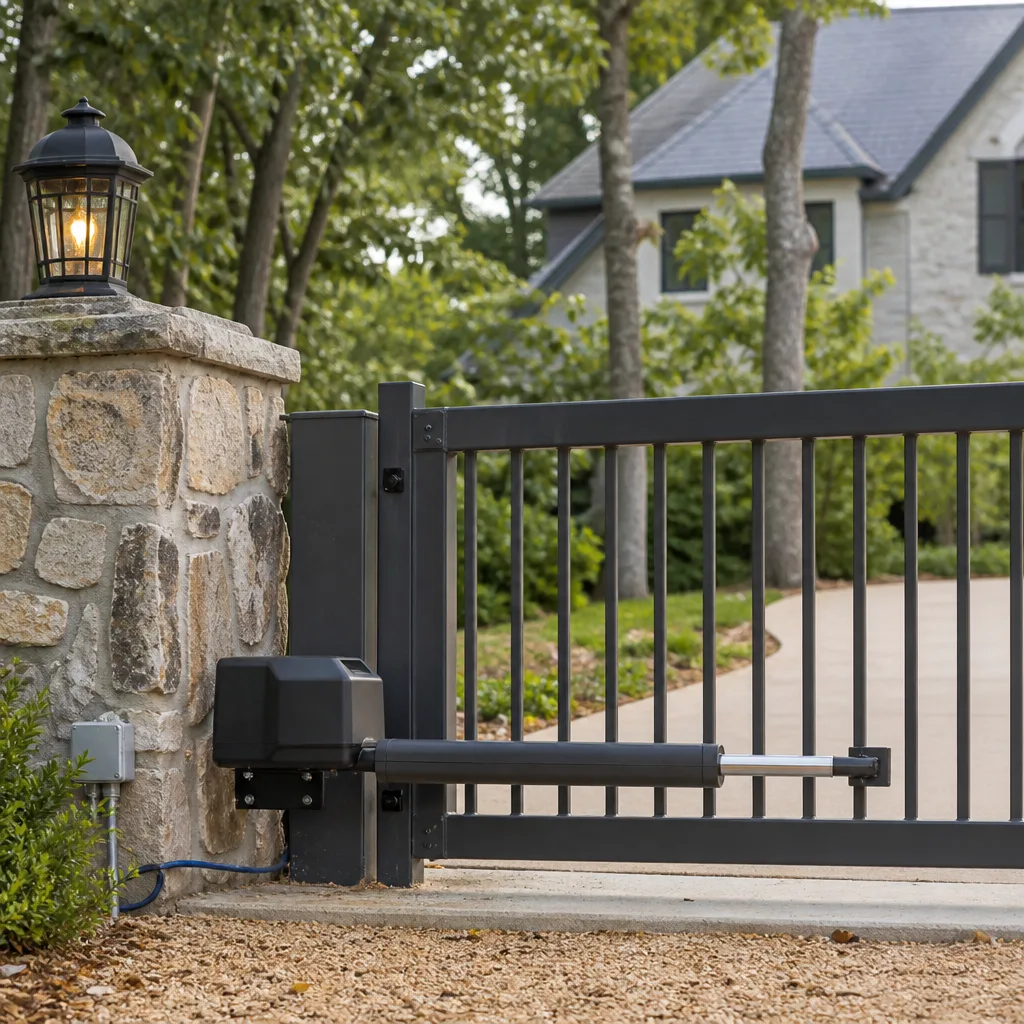 LiftMaster operators
Free on-site gate assessment - hinges, posts, and your LiftMaster or Nice gate operator checked before anything is quoted
The assessment is free and the quote is the invoice.
Get your free estimateGate Repair Troubleshooting in Moreno Valley: Common Problems and How to Fix Them
Here’s the thing most people get wrong: when your gate stops working, the symptom you see is almost never the actual problem. A gate that won’t open could be a dead battery backup, a tripped breaker, a failed logic board, or a sensor that thinks something is in the way. They all look the same from the outside. If you treat the wrong one, you burn time, money, and patience. This guide walks you through the five root-cause categories behind gate failures in Moreno Valley: mechanical, electrical, sensor, software, and structural. By the time you finish, you’ll know how to diagnose accurately instead of just describing symptoms to a technician. That’s the difference between a quick fix and an expensive replacement.
Styles & brands we work with
- Wrought iron
- Wood & steel frame
- Farm & ranch
- Sliding driveway gates
- LiftMaster operators
Quick Answer
Gate repair troubleshooting in Moreno Valley comes down to identifying which of five root-cause categories your problem falls into: mechanical wear, electrical faults, sensor misalignment, software or logic board failure, or structural damage. Start by checking power, then sensors, then listen for abnormal sounds at the motor. Most issues fall into one clear category, and knowing which one saves you from paying for parts you don’t need.
Table of Contents
- Power and Electrical: Why Your Gate Won’t Respond at All
- Sensor Troubleshooting: The Most Common False Alarm in Moreno Valley
- Mechanical Failures: What Grinding, Scraping, and Binding Actually Mean
- Logic Board and Software Issues: When the Brain Stops Working
- Structural Problems: Moreno Valley Heat and What It Does to Your Gate
- Safe Diagnostic Tests You Can Do Before Calling a Technician
- Red-Flag Symptoms: When to Stop Operating the Gate Immediately
- Common Mistakes to Avoid
- When to Call a Professional
- Frequently Asked Questions
- The Bottom Line
Power and Electrical: Why Your Gate Won’t Respond at All
A gate that does nothing when you press the remote, keypad, or push-button is the most common call we get in Moreno Valley. And here’s what most people don’t realize: the three most likely causes look identical from the outside but cost very different amounts to fix. A tripped internal breaker costs nothing. A dead battery backup costs a couple hundred. A failed logic board can run into the high hundreds. You shouldn’t guess. You should check.
Start with the simplest thing. Is the gate operator plugged in? You’d be surprised how often a landscaper’s trimmer or a neighbor’s contractor unplugs an outlet. Check the GFCI outlet. In Moreno Valley, outdoor outlets are almost always GFCI-protected, and they trip easily in summer when thermal expansion pushes connections slightly loose. Press the reset button. If that doesn’t do it, check your breaker panel. The gate should be on its own circuit. If the breaker is tripped, flip it fully off, then on. Then press the gate button.
If power is confirmed and the gate is still dead, you’re likely looking at one of three things: a blown fuse on the control board, a dead battery backup, or a failed transformer. Here’s how to tell them apart.
- Blown fuse: The control board will show no lights at all. Most boards have a small glass or blade fuse. If it’s dark, that’s your likely culprit.
- Dead battery backup: The gate works fine on utility power but fails when the power goes out. This is not a gate failure. It’s a maintenance item. Batteries last three to five years in Moreno Valley’s climate, less if the gate sits in direct afternoon sun.
- Failed transformer: The board shows partial lights or flickering. The gate may hum but not move. This points to a transformer that’s delivering inconsistent voltage.
One of the most confusing things about electric gate repair is that different brands display problems differently. A LiftMaster board might flash a diagnostic code. A Mighty Mule system might chirp. A FAAC unit might show nothing at all. That’s one reason brand-specific experience matters. If you don’t know the system’s language, you’re reading a foreign label.
Sensor Troubleshooting: The Most Common False Alarm in Moreno Valley
If your gate starts to open, then reverses immediately, or refuses to close, your first thought might be the motor. That’s wrong. In our experience, nine times out of ten this is a sensor issue. And in Moreno Valley specifically, summer is peak sensor misalignment season. Here’s why.
Photo eyes are mounted on the gate posts, usually a few inches off the ground. They work by sending an invisible beam between two units. When that beam is broken, the gate refuses to close because it thinks something is in the way. In Moreno Valley’s Inland Empire heat, post expansion is a real factor. Steel and aluminum expand at different rates. That tiny difference, over a hundred-degree afternoon, can shift a sensor just enough to miss the beam. The result: your gate stopped working, and nothing is actually wrong with it.
Here’s how to clean and realign photo eyes in under ten minutes.
- Turn the gate operator off at the breaker or power switch. You don’t want the gate moving while you’re working near it.
- Locate both photo eyes. They’re small, usually round or rectangular, mounted near the bottom of the gate posts on both sides of the opening.
- Wipe each lens with a soft, dry cloth. In Moreno Valley, dust and pollen cake onto these lenses fast. A dirty lens is often the entire problem.
- Check the small indicator light on each photo eye. Most show a steady light when aligned, a blinking light when misaligned.
- Adjust one unit at a time until both indicator lights read steady. Small adjustments matter. A quarter-inch shift is often all it takes.
- Restore power and test the gate. If it closes normally, you just fixed it yourself.
If the gate still reverses after cleaning and aligning the photo eyes, you may have an intermittent wiring issue or a failing sensor. That’s a different problem, and it’s one worth calling a technician for. But before you do, know that this exact scenario is why we tell Moreno Valley homeowners to check sensors before assuming the motor is dead. A misaligned sensor is a free fix. A motor replacement is not.
Mechanical Failures: What Grinding, Scraping, and Binding Actually Mean
Mechanical failures are usually the easiest to hear before they become the hardest to fix. Your gate talks to you, in a sense. The sounds it makes under load tell you exactly what’s wearing out. The trick is knowing what each sound means.
A grinding sound during operation almost always means a bearing or wheel is failing. On slide gates, this usually points to the rollers under the gate. When they wear down, the gate drags across the track instead of rolling. That drag puts extra stress on the motor, which works harder, which shortens its life. Left long enough, the gate will tear itself off the track entirely. That is a serious safety situation you don’t want.
A scraping sound on a swing gate usually means the gate has sagged. Hinges wear, posts settle, and suddenly the leading edge of the gate is dragging on the driveway or against the post. This is structural, not just mechanical, and it won’t get better on its own.
A high-pitched squeal that comes and goes under load often points to a belt or chain tension issue. Gates with belt-driven operators need the right tension. Too loose and it slips. Too tight and it strains the bearings. Both produce noise.
What you’re listening for is abnormal effort. A properly functioning gate should sound smooth, almost effortless. When it starts to sound like machinery working hard, the machinery is working hard. That’s your queue to address it before something snaps.
We work on gates from Gate Repair Moreno Valley across every brand you’re likely to see in the area, including Elite and Viking, and the mechanical signs are consistent across all of them. Bearing wear, sagging hinges, and chain tension issues don’t care what name is on the control board.
Logic Board and Software Issues: When the Brain Stops Working
Here’s a scenario we see regularly in Moreno Valley. The gate has power. The remote is working. The sensor lights are steady. But the gate won’t respond to commands, or it responds intermittently, opening sometimes and ignoring you others. That points to the logic board. The logic board is the brain of the operator. When it fails, the gate becomes unpredictable.
But before you replace a board, you need to rule out something else: a dead battery backup. A dead battery and a failed logic board look identical from the outside. The gate may respond one minute and not the next. The remote may need multiple presses. The gate may open halfway and stop. But the fixes are wildly different in cost. A battery is an inexpensive swap. A logic board is a significant replacement.
How do you tell them apart? Check the battery first. If the battery is swollen, hot, or won’t hold a charge, that’s your answer. Most backup batteries are accessible behind a small panel on the operator. If the battery tests fine and the gate still behaves erratically, you’re probably looking at a control board fault.
On a FAAC or LiftMaster system, a failing logic board may show diagnostic error codes. On a Mighty Mule, it might just stop responding. The difference matters because it changes the repair. Some boards can be repaired. Most need replacement. Either way, a gate with an intermittent brain is a gate you can’t trust. You need a diagnosis, not a guess.
If you have gate repair experience with the specific brand you own, you already know what we mean. If you don’t, that’s what we do. Our team is experienced with LiftMaster, FAAC, Mighty Mule, and Ghost Controls, among others. We read the codes. We know the symptoms. We don’t guess.
Structural Problems: Moreno Valley Heat and What It Does to Your Gate
Moreno Valley is not a coastal town. We don’t deal with salt air or marine corrosion here. What we do deal with is extreme summer heat, and it affects gate structure in ways that surprise people. The Inland Empire regularly sees triple-digit afternoons, and that heat makes materials move.
Aluminum and steel expand at different rates. If your gate is aluminum and your track is steel, the gate will warp slightly on the hottest days. That warp is invisible to the eye but measured in fractions of an inch. It’s enough to make a gate bind on its track, scrape a post, or refuse to close all the way. The same gate works fine in the morning and fails by three in the afternoon. That’s not a haunted gate. That’s thermal expansion. And it’s a Moreno Valley thing.
Steel gates also get hot. Parked in direct sun, a black steel gate can hit temperatures that make the metal expand enough to change how smoothly the gate moves on its hinges. Paint fades faster here too. Powder coating breaks down after years of UV exposure. That’s cosmetic, but the expansion underneath it is not.
The fix depends on the gate. Sometimes it’s adjusting the track clearance. Sometimes it’s reinforcing sagging hinges or re-setting a post that has shifted in the soil. Moreno Valley soil is compacted and hard in summer, which holds posts well. But the heat still takes a toll on the metal itself. If your gate only misbehaves on the hottest days, thermal expansion is a strong suspect.
This is why a gate repair call in July isn’t the same as one in January. We know what these summers do. We live here too.
Safe Diagnostic Tests You Can Do Before Calling a Technician
You don’t need to be an electrician to learn a lot about your gate’s health. A $12 multimeter and ten minutes will tell you more than an hour of guessing. Here’s the test we recommend before you spend money on a service call.
First, set your multimeter to AC voltage. Test the outlet the gate operator plugs into. You should see 110 to 125 volts. If you see zero, the problem is upstream: a tripped breaker, a dead GFCI, or a wiring issue. If you see voltage, power is reaching the outlet. That narrows the problem to the gate itself.
Second, if you’re comfortable doing so, locate the low-voltage wire terminals on the control board. These are the terminals that connect the photo eyes and the push-button. Most systems run 24 volts DC here. If the board is sending power but the photo eyes aren’t receiving it, you have a broken wire. That’s a specific diagnosis, not a guess.
Third, test the battery backup with the multimeter set to DC voltage. A healthy 12-volt battery reads above 12.6 volts at rest. If it reads below 12, the battery is failing and should be replaced. That’s the answer to most “my gate only works when the power is on” complaints.
Safety note: if you are not comfortable working near electrical components, don’t. Gate operators run on line voltage. The wiring near the transformer can carry enough current to hurt you. The low-voltage side is safer, but only if you know which is which. When in doubt, call us. We answer 24/7. Fast dispatch from 7am to 7pm, Sunday through Friday.
Red-Flag Symptoms: When to Stop Operating the Gate Immediately
Some gate symptoms are annoyances. Others are warnings. Here’s how to tell the difference. If you hear grinding under load, stop using the gate. That sound means metal is wearing against metal, and every cycle makes the damage worse. The difference between a bearing replacement and a full track replacement is often just how many more times the gate cycles after the noise starts.
Visible cable fraying on a slide gate is another immediate stop. The cable is what moves the gate under motor power. If you can see broken strands, the cable is compromised and can snap. A snapped cable on a moving gate is dangerous. The gate can slam, pinch, or drop without warning. Stop using it and call for repair.
Intermittent sparking at the control board is the electrical version of a warning light. If you see sparks, smell burning plastic, or notice scorch marks on the board, turn off the breaker to the gate and leave it off. Do not attempt to reset it. This is a fire hazard, not a DIY repair.
Any of these three signs means the gate is no longer safe to operate. In our experience, these are the calls where waiting costs the most money. The part that could have been replaced today becomes the system that fails completely tomorrow. Don’t wait on these.
Common Mistakes to Avoid
- Misdiagnosing a symptom as a cause. A gate that won’t open is a symptom. A dead battery, a tripped breaker, a failed board, and a misaligned sensor all produce that symptom. Fixing the symptom without finding the cause is how a $90 repair becomes a $600 replacement.
- Replacing the motor first. Motors fail, but they fail less often than sensors, batteries, and fuses. Start with the cheap, common causes before you spend money on the expensive, uncommon one.
- Ignoring small noises. A little grinding, a faint squeal, a scrape that comes and goes. These get louder. And more expensive. Gates don’t heal themselves.
- Assuming power means everything is fine. The outlet can have power while the gate operator’s internal fuse is blown. The breaker can be on while the GFCI upstream is tripped. Check the whole path, not just one point.
- Forcing a gate that resists. If the gate doesn’t move freely when disconnected from the operator, forcing it under motor power is dangerous. You’ll tear up the operator, the track, or both. Find the bind before you push harder.
- Waiting until the gate stops completely. Most major failures give you weeks of warning. Small noises, intermittent operation, slower movement. Addressing the problem early always costs less.
When to Call a Professional
Some things are worth fixing yourself. Cleaning photo eyes, resetting a GFCI, and checking a breaker are all reasonable. But if you’ve done the simple checks and the gate still doesn’t work right, it’s time to bring in someone who works on gates every day. Particularly for anything involving the control board, line-voltage wiring, a cracked track, or a sagging gate, professional help is the only responsible choice.
Gate Repair Moreno Valley offers free estimates in Moreno Valley. We work on your brand, whether it’s Elite, Mighty Mule, LiftMaster, FAAC, or any of the other major systems. We answer 24/7 and dispatch fast from 7am to 7pm, Sunday through Friday. Call (844) 614-1023 for a free estimate.
Frequently Asked Questions
Gate repair costs in Moreno Valley vary by the root cause, but typical estimates start around $90 for simple fixes like sensor realignment or fuse replacement, and run higher for motor, board, or structural work. The written estimate we provide before any work starts is the price, agreed to upfront. Call (844) 614-1023 for a free estimate specific to your gate.
An immediate reversal almost always points to the obstruction sensor, not the motor. Clean the photo eye lenses and check the alignment lights. If the gate still reverses, the sensor or its wiring may be failing. This is the most common false alarm we see in Moreno Valley.
In many cases, yes. Same-day service is available depending on the diagnosis and the parts needed. We answer 24/7 and dispatch fast from 7am to 7pm, Sunday through Friday. Call (844) 614-1023 and we’ll tell you what’s possible for your specific gate.
We work on all major gate brands, including LiftMaster, FAAC, Mighty Mule, BFT, Linear, Viking, Ghost Controls, DoorKing, and Elite. Our technicians are experienced across entry-level residential systems and commercial-grade operators. If you have a gate, we can likely service it.
Listen and watch. If the gate hums but doesn’t move, that’s usually mechanical: a bind, a bearing, or a chain issue. If the gate shows no power at all, or operates intermittently, that’s typically electrical: a fuse, a battery, or a board. A multimeter test on the outlet tells you quickly which side of the system the problem is on.
Turn off the breaker to the gate immediately and leave it off. This is a fire hazard and a sign of a serious electrical fault. Do not reset the breaker or try to operate the gate. Call us at (844) 614-1023. We answer 24/7 and fast dispatch runs from 7am to 7pm, Sunday through Friday.
The Bottom Line
Gate troubleshooting in Moreno Valley isn’t about memorizing a list of random symptoms. It’s about knowing which of the five root-cause categories you’re in: mechanical, electrical, sensor, software, or structural. Once you know the category, you know what to check, what to watch for, and whether it’s a DIY fix or a professional job. Most gate failures give you warning signs. The people who catch them early spend less. The people who wait pay for the diagnostic runaround, the wrong part, and the repeat visit. If you want a team that works on gates all day, every day, call Gate Repair Moreno Valley at (844) 614-1023. We answer 24/7. Fast dispatch from 7am to 7pm, Sunday through Friday.
Written by the team at Gate Repair Moreno Valley, serving Moreno Valley since 2015.
See the difference
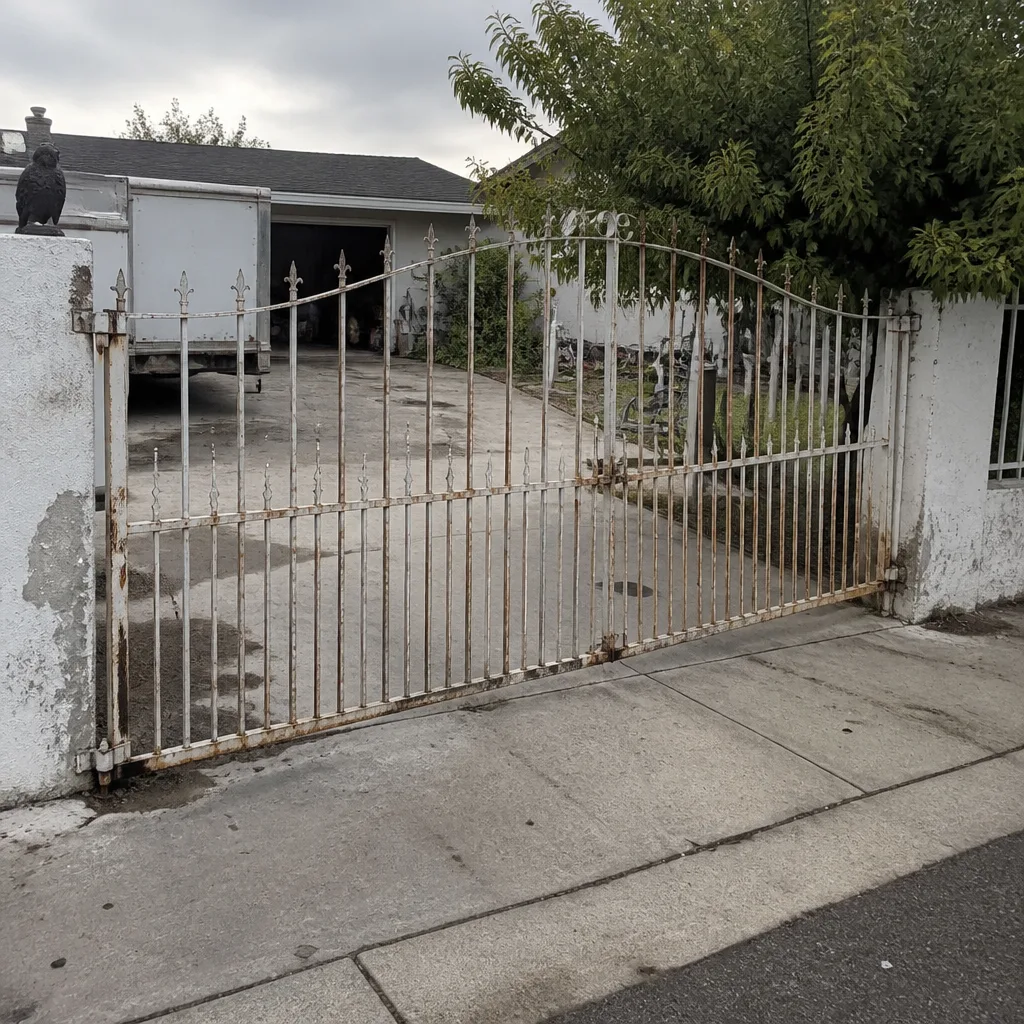 Before
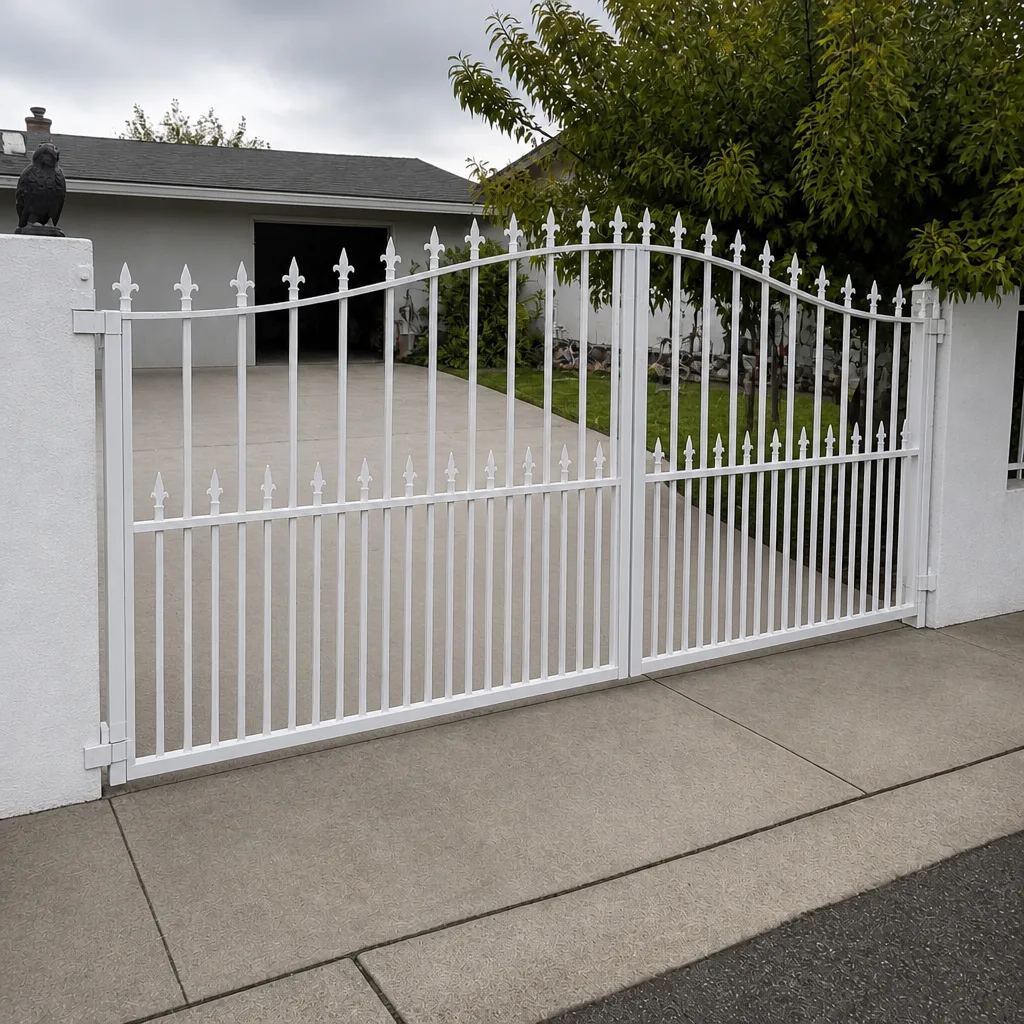 After
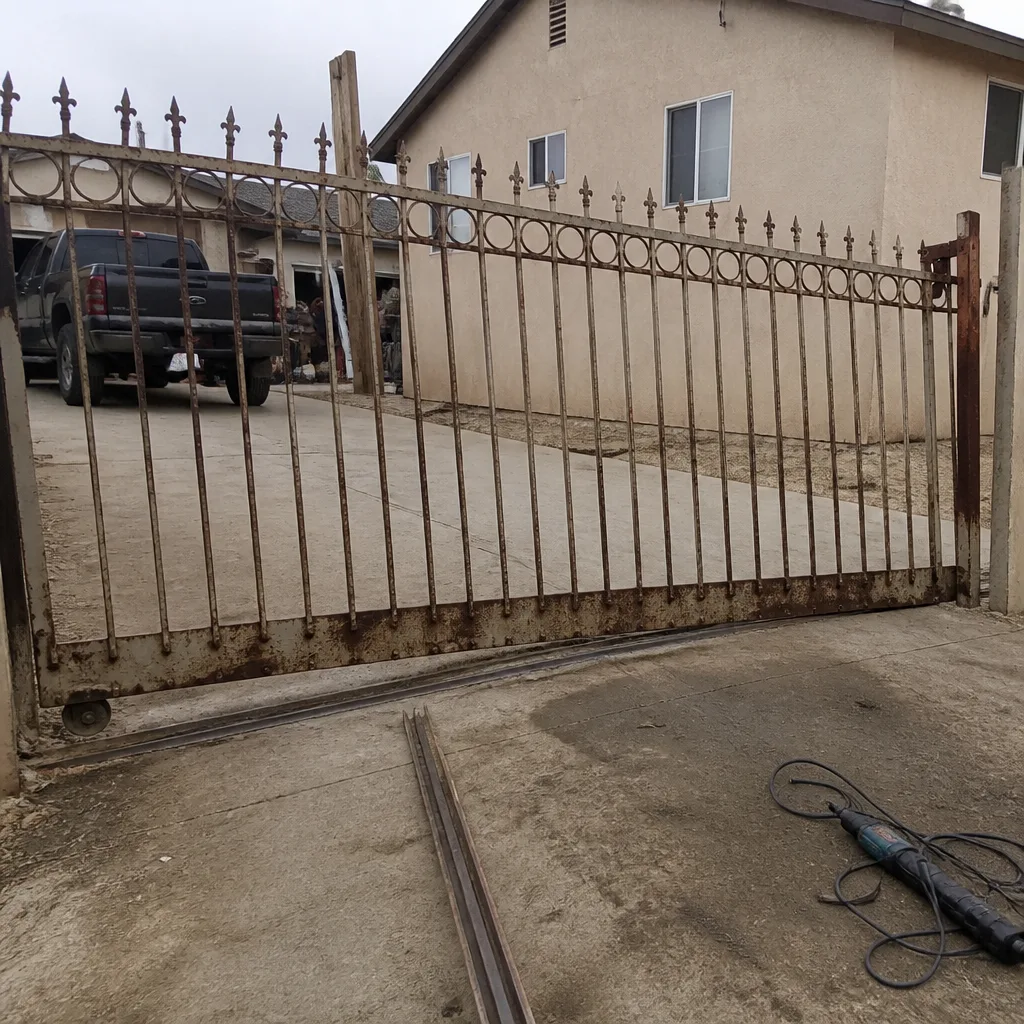 Before
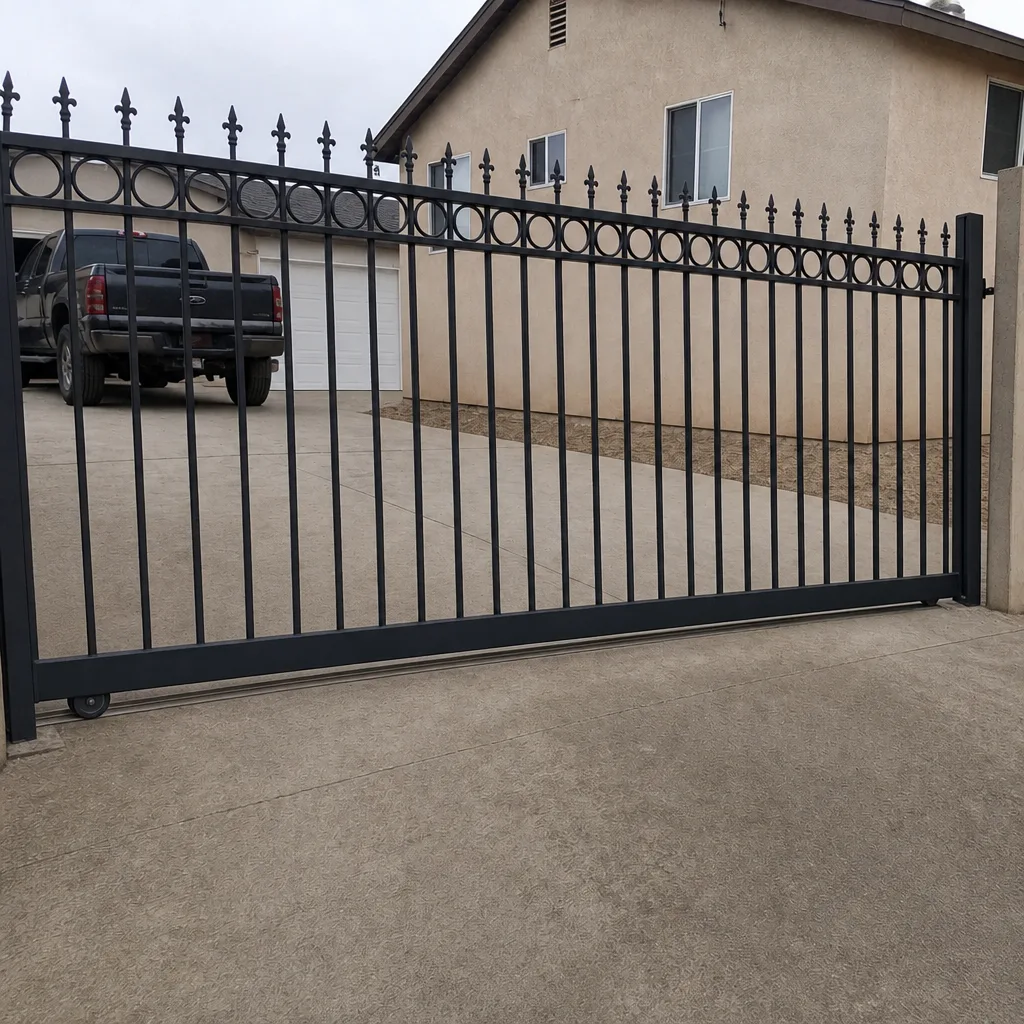 After
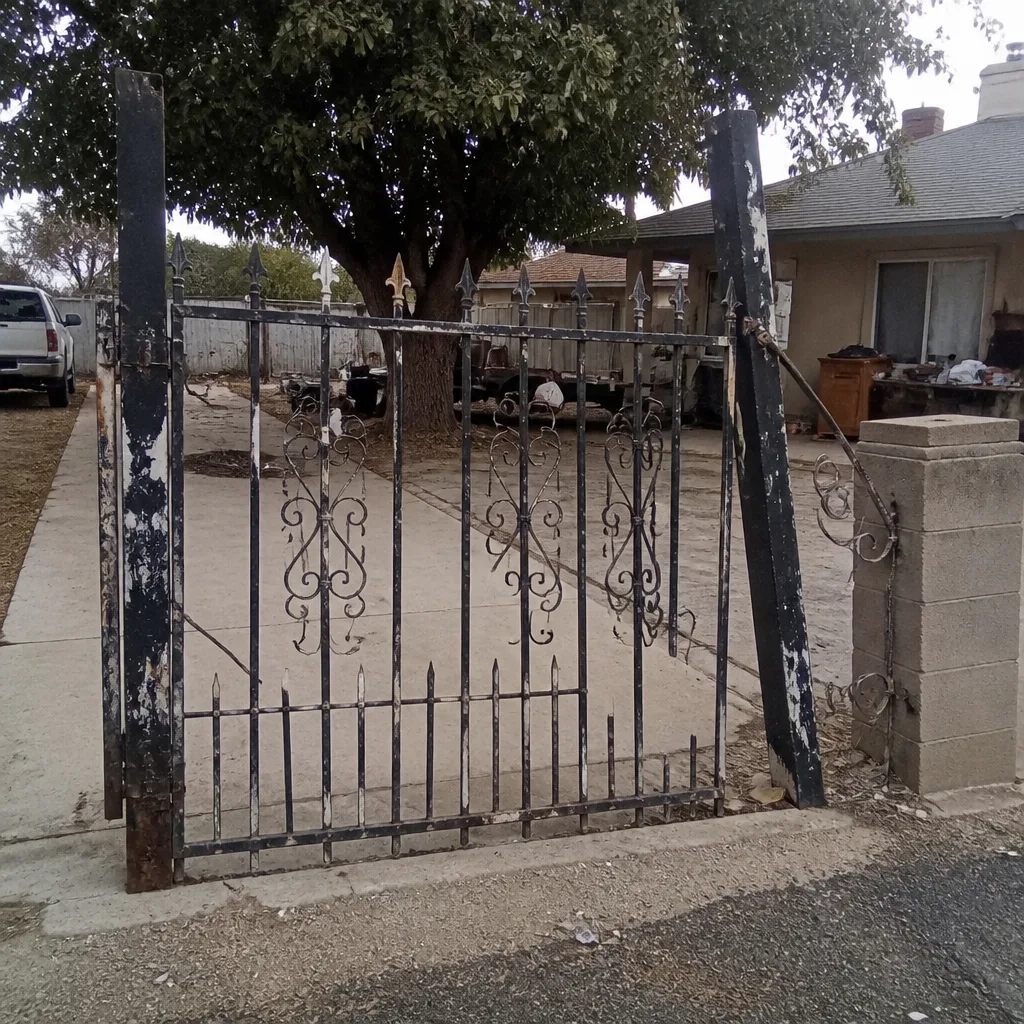 Before
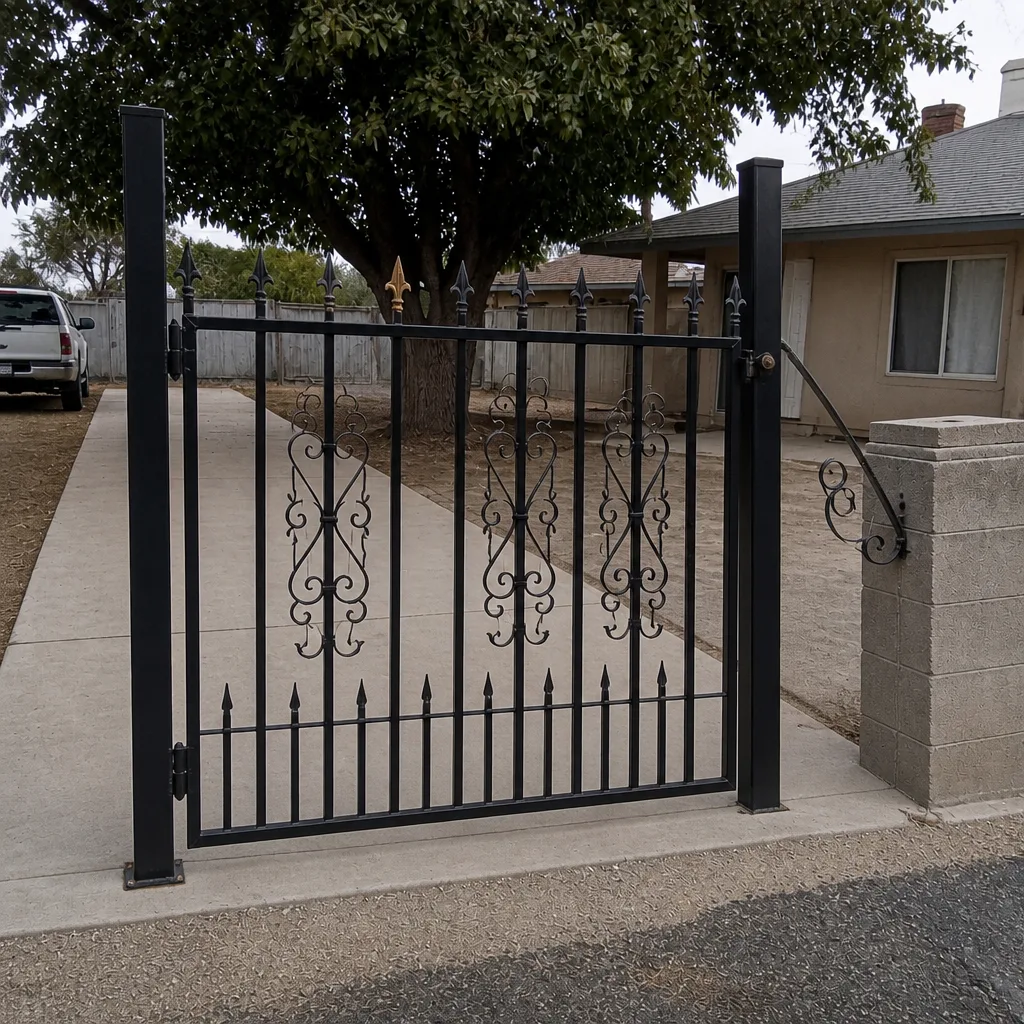 After