
Last updated November 4, 2026
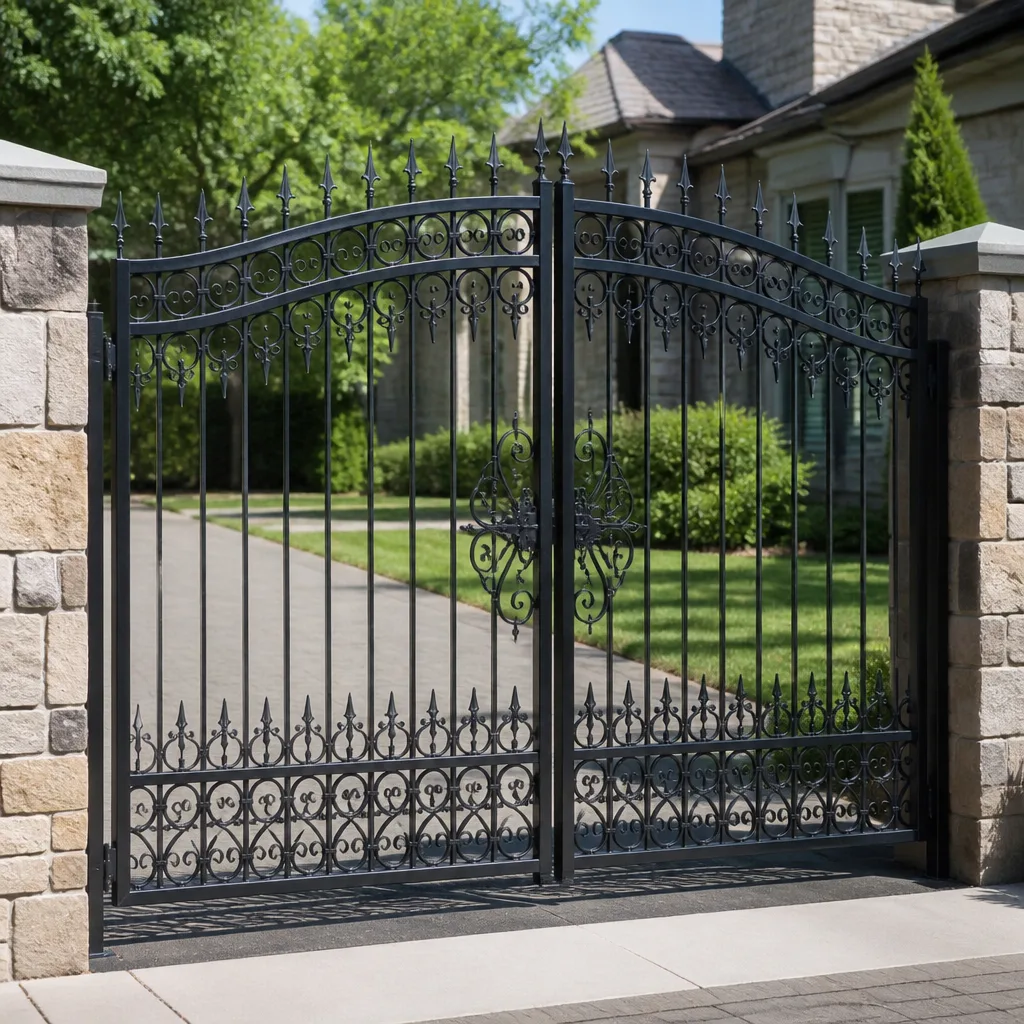 Wrought iron
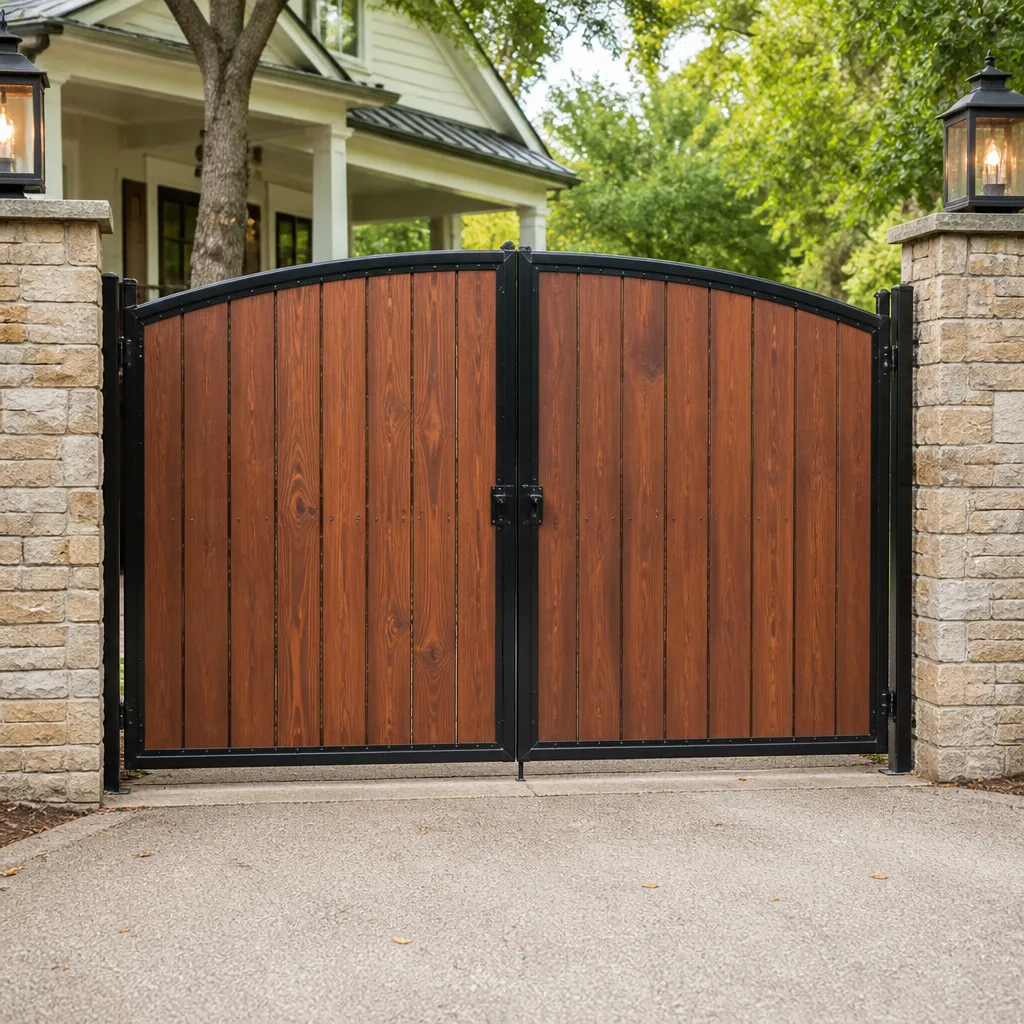 Wood & steel frame
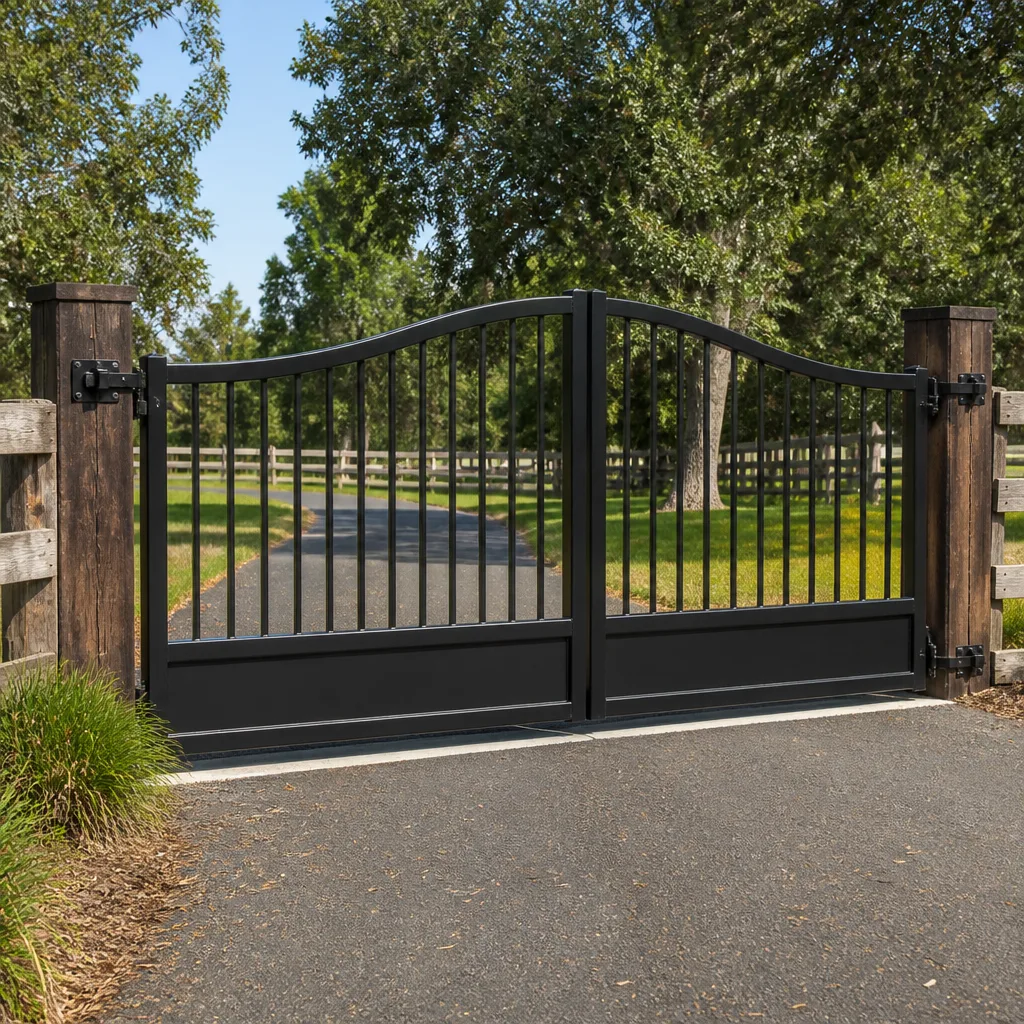 Farm & ranch
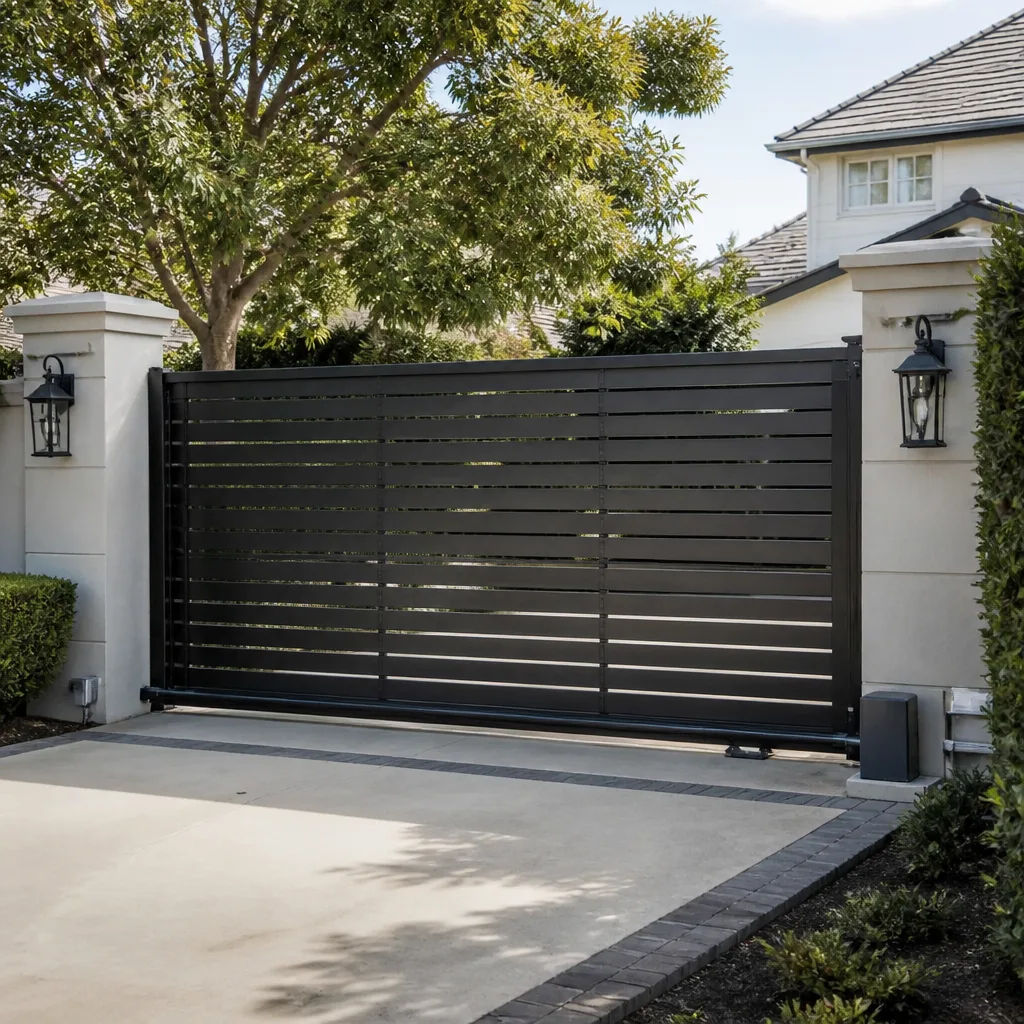 Sliding driveway gates
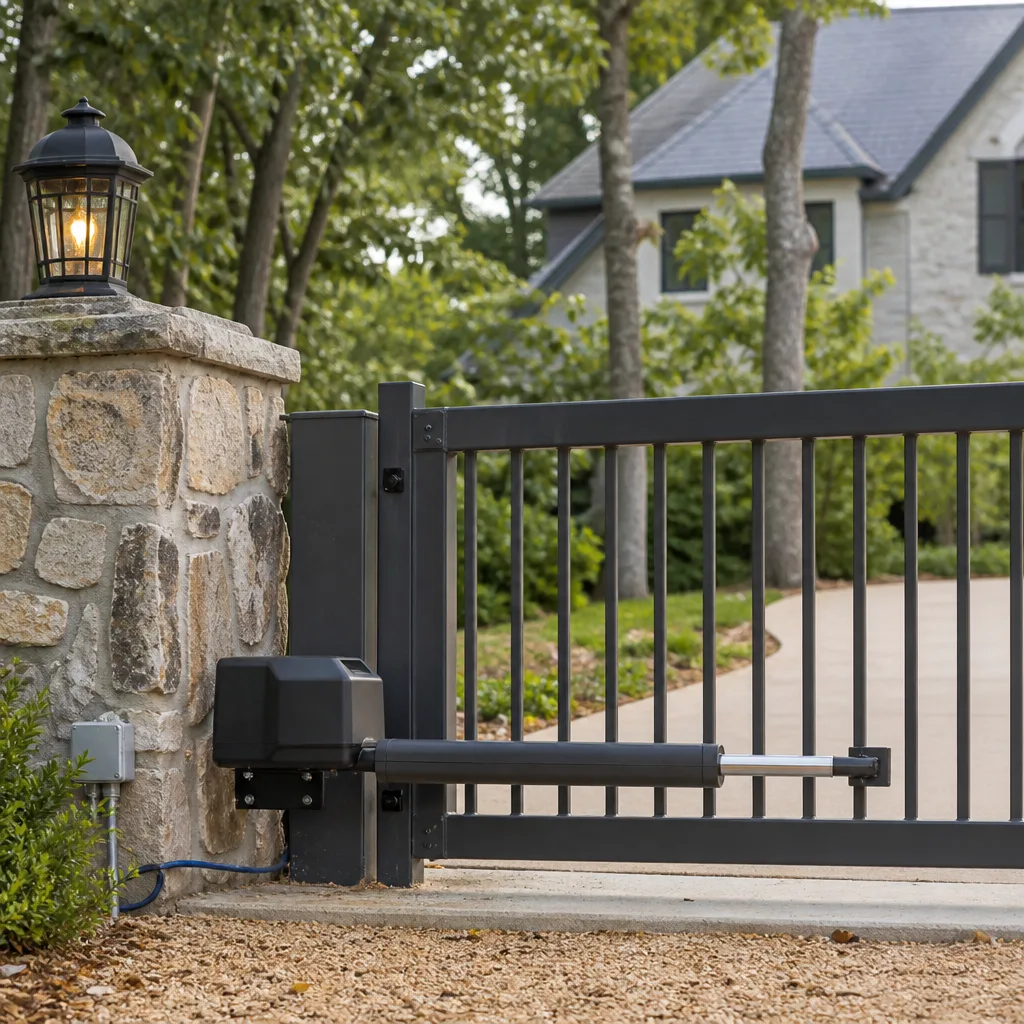 LiftMaster operators
Free on-site gate assessment - hinges, posts, and your LiftMaster or Nice gate operator checked before anything is quoted
The assessment is free and the quote is the invoice.
Get your free estimateGate Repair Warning Signs: A Moreno Valley Homeowner’s Reference Guide
A gate that hesitates for two seconds before moving isn’t “warming up.” It’s an operator drawing excess current because the drive mechanism is binding, and that two-second hesitation is burning motor windings that cost $280 to rewind or $600 to replace. The hesitation is the warning. Most homeowners in Moreno Valley wait until the gate stops moving entirely, and by then a $90 repair has become a full operator swap. This guide translates the specific sounds, behaviors, and visual cues your gate gives off into plain language, so you know what’s urgent, what can wait a week, and what you can check yourself before calling anyone. If you own a LiftMaster, Mighty Mule, Elite, or FAAC system, you’ll recognize your gate’s language here.
Styles & brands we work with
- Wrought iron
- Wood & steel frame
- Farm & ranch
- Sliding driveway gates
- LiftMaster operators
Quick Answer
Gate repair warning signs in Moreno Valley fall into three categories: sounds (grinding, clicking, humming without movement), behavior (hesitation, stopping mid-cycle, needing multiple remote presses), and visible damage (sun-bleached wiring, rust at hinge points, leaning posts). A gate that makes a new sound or moves differently than it did last month needs attention now, because electric gate failures almost always start small and compound fast. Most warning signs can be diagnosed over the phone, and many are repairable for under $300 if caught before the motor burns out.
Table of Contents
- The Audio Diagnostic Guide: What Your Gate Is Trying to Tell You
- Visual Warning Signs Specific to Moreno Valley Conditions
- Behavioral Patterns: Control Board vs. Motor vs. Sensor Problems
- The 3 Remote Presses Test and Other Owner Diagnostics
- How Long You Have: Warning-to-Failure Timelines and Repair Costs
- Brand-Specific Warning Signs: LiftMaster, Mighty Mule, Elite, FAAC
- Why Moreno Valley Gates Fail the Way They Do
- Common Mistakes to Avoid
- When to Call a Professional
- Frequently Asked Questions
- The Bottom Line
The Audio Diagnostic Guide: What Your Gate Is Trying to Tell You
Gates are mechanical devices, and mechanical devices talk. The problem is that most homeowners don’t speak the language. After eleven years of working on gates across Moreno Valley, we can tell you that nearly every major failure announces itself through a specific sound weeks or months before it happens. Here’s what each sound means at the component level.
Grinding During Movement
A metallic grinding sound while the gate travels usually points to one of three things. Most often, it’s the drive chain or belt rubbing against the guide rail because the gate has come out of alignment. On slide gates, this happens when the track gets loaded with decomposed granite or sand, which is common in Moreno Valley yards. On swing gates, grinding typically comes from the hinge bearings going dry and galling. The third cause is a failing gear inside the operator itself. Here’s the diagnostic difference: if the grinding tracks with gate speed, it’s mechanical wear at the chain, hinge, or wheel level. If the grinding is constant regardless of where the gate is, it’s inside the operator gearbox. A gate that grinds for a month will still usually be repairable for under $200. A gate that grinds for six months usually needs a new operator.
Clicking Without Movement
A rapid clicking sound when you press the remote, with no gate movement, is the sound of the operator’s internal relay firing but the motor not engaging. On most residential systems, this means one of two things: either the capacitor that gives the motor its starting jolt has failed, or the motor itself has burned out. A failed capacitor is a $40 to $90 part. A burned motor is often $450 to $600 with labor. The clicking is your early warning, and it means the system is trying to work but can’t. This is a call-us-this-week situation, not a wait-and-see one.
Humming But Not Moving
A low hum or buzz from the operator while the gate stays put is different from clicking. This sound means the motor is getting power and trying to turn, but something is physically preventing it. On a slide gate, a wheel has usually come off the track or a piece of debris is wedged in the rail. On a swing gate, a hinge has seized or the gate has dropped and is dragging on the ground. The danger here is that the motor is drawing locked-rotor current, which overheats the windings fast. If you hear a hum and the gate isn’t moving, turn the system off at the breaker and call for service. Continued humming for even a few minutes can destroy a motor that was otherwise fine.
Grinding-Then-Stopping
This pattern, a brief grind followed by the gate stopping mid-cycle and reversing or going dead, is the signature of an operator that has exceeded its force threshold. Every modern gate operator has a safety circuit that cuts power when resistance is too high, which prevents the gate from crushing something. When the resistance isn’t a person or a car but internal binding, you get the grind-then-stop cycle. The most common causes in Moreno Valley: a gate that has shifted on its posts after heavy rain softened the soil, a chain that has stretched and is jumping teeth, or the gate itself has warped slightly from years of direct sun exposure. Each of these is repairable, but the longer the grind-then-stop pattern continues, the more damage the force limiter is absorbing before it trips.
Visual Warning Signs Specific to Moreno Valley Conditions
Moreno Valley’s climate does specific things to gate hardware. We get intense UV exposure, summer heat that regularly passes 100°F, and occasional heavy rain that turns our soil into shifting, expansive clay. Each of these leaves visible evidence on a gate long before it fails. Here’s what to look for.
Sun-Bleached Wiring Insulation
Walk the length of your gate and look at any exposed wiring. On most residential installations, low-voltage wire runs from the operator to photo-eye sensors, keypads, and loop detectors. In Moreno Valley’s sun, the plastic insulation on that wire breaks down. It fades from white or gray to chalky and cracked. Once the insulation cracks, moisture gets in, which leads to intermittent shorts. Your gate will work fine one day and refuse to open the next. If you see cracked, fading wire insulation, that’s a repair that should happen before the next rain, not after. Replacing sensor wire on a typical driveway gate is a one-visit job and usually runs between $120 and $200 depending on wire length and accessibility.
Rust at Specific Hardware Points
Rust on a gate isn’t uniform. It attacks specific points where powder coating has been compromised or where dissimilar metals meet. The places to check: hinge pins, where the gate leaf meets the post; the bottom corners of steel gates, where water wicks up from the ground; the bolts holding the operator arm to the gate; and the chain on slide gates. Surface rust on a hinge pin is normal and usually cosmetic. Deep rust that flakes when you scrape it, or rust that has visibly reduced the thickness of a hinge, is structural. A hinge pin that snaps is a gate that falls, and a falling gate can injure someone. We replace rusted hinges regularly before they reach that point.
Concrete Heave Around Post Footings
Here’s one most guides miss. Look at the concrete pad where your gate posts are set. In Moreno Valley, our soil expands when it gets wet and contracts when it dries. Over years, this cycle can push concrete up, a phenomenon called heave. If you see cracking in the concrete pad radiating out from the post, or if the gap between the post base and the concrete has widened on one side, the post is moving. A moving post means the gate is no longer hanging square, which puts stress on the hinges, the latch, and eventually the operator. The fix often involves re-setting the post with proper footing depth, which is a bigger job than most homeowners expect, but far cheaper than replacing a gate that has twisted itself apart.
Wheel Track Wear on Slide Gates
Slide gates in Moreno Valley take abuse from dust and decomposed granite. That fine grit acts like sandpaper on the wheels and track. Look at the V-groove wheels that ride the track. If they’re no longer round but have flat spots, the gate will jerk as it moves. If the track itself has visible grooves worn into the top surface, the gate is dragging rather than rolling. Both conditions force the operator to work harder than it was designed to, which shortens motor life. Wheel replacement is typically $140 to $220 per wheel installed, which is far less than an operator.
Behavioral Patterns: Control Board vs. Motor vs. Sensor Problems
Sometimes the warning sign isn’t a sound or a visual, it’s a change in how the gate behaves. These patterns point to specific components, and knowing the difference saves you from paying a technician to diagnose something you can narrow down yourself.
Gate Moves Slower Than It Used To
If your gate opens at a crawl when it used to move briskly, you’re looking at either a mechanical bind or a failing capacitor. A mechanical bind, like a hinge that’s tightening up or a wheel that’s losing its bearing, adds friction. The operator compensates by drawing more current, which slows the motor. A failing capacitor, on the other hand, reduces the starting torque, so the motor strains to get moving. Either way, slow movement is not “just how gates age.” It’s a sign the system is working against itself, and it typically progresses to full failure within two to six months.
Gate Stops Mid-Cycle and Reverses
When a gate stops halfway and reverses direction, the safety system is triggering. This is often an obstruction, which is easy to rule out: is there a trash can, a kid’s bike, or an overgrown bush in the path? If the path is clear and it still reverses, the likely culprits are misaligned photo-eye sensors, a failing loop detector in the driveway, or a force setting on the operator that’s drifted out of calibration. In our experience, sensor misalignment is the most common cause in Moreno Valley, because the same sun that fades wiring also warps plastic sensor housings and shifts their aim over time.
Remote Works Sometimes, Not Others
Intermittent remote operation points to one of three things. A weak battery in the remote itself is the easiest and cheapest fix, so change the battery first. If the problem persists, the issue is usually the receiver board in the operator or radio interference. Moreno Valley has a lot of military and aviation traffic, and certain receiver frequencies are more susceptible to interference than others. If your remote works in the morning but not the evening, or works from one angle but not another, the receiver antenna may need to be relocated or the board replaced. This is an electric gate repair item, not a mechanical one, and it’s exactly the kind of problem that general handymen routinely turn away because they don’t carry the boards or the diagnostic tools.
Gate Opens Fine but Won’t Close
One-directional failure is almost always a sensor problem. The gate will open because the safety beam isn’t part of the opening circuit, but it won’t close because the beam is broken or misaligned. Check whether the photo-eye receivers are facing each other, whether a plant has grown across the beam path, or whether a lizard or spider has taken up residence inside a sensor housing. Clean the lenses with a dry cloth and try again. If the problem persists, a sensor may need replacement. The good news: sensor replacement is usually under $150 and is one of the most common repairs we handle.
The 3 Remote Presses Test and Other Owner Diagnostics
Before you call anyone, run these three tests. They’ll narrow down where the failure is and save you from paying for an hour of diagnostic time. None of these require opening the operator panel or touching anything dangerous. Leave the wiring to a professional, electric gate repair is genuinely hazardous work around line voltage and battery banks.
Test 1: The 3 Remote Presses Test
- Stand at your normal distance from the gate and press the remote once. Note what the gate does: nothing, clicking, humming, slow movement, or normal movement.
- Walk to about 10 feet from the operator and press the remote a second time. If the gate responds now, the number one suspect is radio range or antenna issues, not the motor or board.
- Press the remote a third time while holding it directly against the operator housing. If the gate works only at this distance, the remote battery is weak or the receiver antenna is broken or poorly positioned.
What this test tells you: if you need to press the remote multiple times to get any response, even at close range, the problem is likely in the receiver board or the remote itself. If the gate responds every time but moves incorrectly, the problem is mechanical or in the operator drive.
Test 2: The Manual Disengagement Test
Every automatic gate has a manual release, usually a lever or key on the operator. Disengage the operator and try to push the gate by hand. A properly functioning gate should move with moderate effort. If it’s very hard to push, or it binds at a certain point in the travel, you have a mechanical problem: a bad wheel, a seized hinge, or a track obstruction. If it moves easily by hand, the mechanical side is fine and the issue is electrical or in the operator.
Test 3: The Reset Test
Find the circuit breaker that feeds your gate operator and turn it off for 30 seconds, then back on. Many control boards benefit from a true power cycle, which clears transient errors and forces the board to re-initialize. If the gate works correctly after a reset, the board may be developing a fault that will recur. If the problem returns within days, the board is degrading and should be replaced before it fails entirely. A control board for a residential operator typically runs $180 to $350 installed, while a full operator replacement is often $600 to $1,200.
How Long You Have: Warning-to-Failure Timelines and Repair Costs
Every warning sign has a window. Here’s a realistic picture of how long you can typically operate on each symptom before it turns into a hard failure, and what it costs to fix at the early stage versus the late stage. These are Moreno Valley market ranges based on the work we see, and the written estimate always sets the final price before any work starts.
| Warning Sign | Typical Timeline Before Failure | Early-Stage Repair Cost | Late-Stage Repair Cost |
|---|---|---|---|
| Grinding hinge or wheel | 4-8 weeks | $90-$220 | $450-$800 (operator + hardware) |
| Clicking without movement | 1-3 weeks | $40-$90 (capacitor) | $450-$600 (motor) |
| Humming but not moving | Minutes to hours | $120-$250 (clear obstruction, adjust) | $500-$900 (motor + drive) |
| Intermittent remote response | 2-6 months | $15-$30 (remote battery) | $180-$400 (receiver board) |
| Gate moving slower than normal | 2-4 months | $100-$250 (lubrication, adjust, minor parts) | $600-$1,200 (operator replace) |
| Sun-cracked sensor wiring | Until next heavy rain | $120-$200 (rewire sensors) | $300-$500 (water damage to board) |
| Leaning or heaving gate post | 6-12 months | $300-$600 (re-set post) | $1,200-$2,500 (gate + post + operator) |
The pattern here isn’t a secret. The earlier you act on a warning sign, the more likely you are to spend under $250. The longer you wait, the more likely a $1,000-plus replacement. This is not a scare tactic. It’s what we see every week when a Moreno Valley homeowner calls about a gate that made noise for eight months and then just quit.
Brand-Specific Warning Signs: LiftMaster, Mighty Mule, Elite, FAAC
Different manufacturers have different failure signatures. Here’s what to watch for on the brands we service most often, with the note that we work on all of them regularly. No brand guesswork, no “we only do this one.”
LiftMaster Gates
LiftMaster residential operators, particularly the swing-arm models popular in Moreno Valley’s newer developments, have a known issue with the plastic gear inside the operator that strips over time. The signature is a gate that starts moving fine but jerks to a stop partway, often with a short grind. The visual warning is plastic shavings inside the operator housing, which you won’t see unless a technician opens it. What you will notice is the jerk-and-stop behavior. If you catch a stripping gear early, it’s a gear replacement for around $180 to $280. If the motor runs against a stripped gear too long, the shaft can gall and the whole operator needs replacement.
Mighty Mule Gates
Mighty Mule systems are budget-friendly and common on smaller swing gates in Moreno Valley’s rural and semi-rural properties. Their weakness is the control board, which is more sensitive to power surges than higher-end brands. A Mighty Mule gate that works sporadically after a thunderstorm, or one that resets to a default setting on its own, is showing board damage from a surge. The fix is often a replacement board, which is moderately priced, but the long-term answer is a surge protector on the circuit, something we recommend for any Mighty Mule installation.
Elite Gates
Elite slide gate operators are workhorses, and they’re common on commercial properties but appear on residential driveways too. The warning sign we see most often on Elite systems is relay chatter: a rapid clicking from the control enclosure even when the gate is idle. This usually means the limit switch is misaligned or a wire connection has come loose. It’s a small electrical fix, but ignored, it can create arc damage on the board terminals. Elite systems also communicate through the remote in a way that makes antenna placement critical, and a poorly positioned antenna can cause the intermittent response pattern we described earlier.
FAAC Gates
FAAC is a professional-grade brand, often installed on higher-end homes and commercial properties. Their hydraulic operators are durable but sensitive to fluid level and viscosity. A FAAC gate that moves sluggishly or that weeps into a puddle under the operator is telling you the hydraulic fluid is low or the seals are leaking. This is not a DIY job. FAAC systems require specific fluid and correct bleeding procedures, and an amateur topping off the reservoir with the wrong fluid can ruin the pump. We service FAAC systems regularly, and the right repair early is usually a seal replacement and fluid flush, not a new operator.
Why Moreno Valley Gates Fail the Way They Do
Every city has a failure profile. Ours is shaped by three things: sun, soil, and the age of our housing stock.
The sun is the biggest variable. Moreno Valley gets more than 270 days of sunshine a year, and that UV load breaks down plastic sensor housings, remote fades, and wire insulation faster than coastal climates. A gate in Moreno Valley that’s been in place for eight or ten years will show sun damage that a similar gate in a coastal city wouldn’t show for fifteen. This is why the visual inspection matters here more than it might elsewhere.
The soil is the second factor. Much of Moreno Valley sits on clay-heavy soil that expands and contracts with moisture. Our dry season runs long, and then a heavy winter rain will swell the ground. Gates set on shallow footings start to lean. Gates set on proper footings usually stay put. If your gate post was set by a fence contractor rather than a gate specialist, it’s more likely to move, because fence contractors often pour shallow footings sized for fence posts, not the load a cantilevered gate creates.
The third factor is simpler: a lot of residential gates in Moreno Valley were installed when the tract was built, which means some are pushing fifteen or twenty years old. Operators from that era are at the end of their design life, and the warning signs apply to them more urgently. We approach every repair with the understanding that we’re working on a system that may have been installed a decade before the current homeowner bought the property.
If you’re searching for gate repair for any of these symptoms, we’d rather you call us before the operator burns out than after. The estimate is free, and the call helps you understand what you’re dealing with even if you decide to wait. For a deeper look at our approach, see the Gate Repair Moreno Valley overview page. For electrical issues specifically, the electric gate repair page covers control boards, sensors, and wiring. And if you’re new to the area or want context on the local market, our Moreno Valley page explains how we work in this city.
Common Mistakes to Avoid
- Ignoring a new sound because the gate still works. This is the most common mistake in Moreno Valley and the one that turns $150 repairs into $800 replacements. The sound is the warning. The fact that the gate still opens doesn’t mean the problem is mild, it means the safety and force circuits are masking the damage while it compounds.
- Lubricating the track with WD-40 on a slide gate. WD-40 is a solvent, not a lubricant, and it attracts dust and decomposed granite, which turns the track into a grinding paste. Use a dry silicone lubricant on chains and a lithium grease on hinge pins, or let a technician handle it.
- Pressing the remote thirty times when the gate doesn’t respond. If the motor is in a locked-rotor state, each press sends a starting surge through the windings. You’re not persuading it to work, you’re finishing it off. One or two presses, then diagnose.
- Assuming an intermittent gate is a remote battery problem. Changed the batteries and it still acts up? The problem is the receiver board, the antenna, or a wiring fault. A new battery fixes a dead remote, but a board that’s hit-or-miss will keep being hit-or-miss.
- Waiting until the gate fails to research repair options. Emergency situations lead to rushed decisions. The time to learn what a gate specialist does and what repair costs is before you’re stuck with a car on either side of a dead gate.
- Hiring a general handyman for an electric gate problem. Gate operators mix line voltage, low-voltage control circuits, safety sensors, and mechanical drive systems. A handyman who fixes gates as one of thirty services won’t carry the boards, sensors, or brand knowledge to diagnose a FAAC hydraulic system or a LiftMaster gear issue correctly. Gate-only focus matters.
- Replacing the operator without checking the gate’s mechanical condition. This one’s on some contractors. If a gate is binding because a hinge is seized and the post is leaning, a new operator will struggle against the same resistance and burn out early. The mechanical issue has to be fixed first, or alongside. We’ve seen operators replaced twice in three years on the same problematic gate because no one addressed the root cause.
When to Call a Professional
Some warning signs are safe to watch and test yourself. Others need a technician now. Call a gate specialist if you hear humming without movement, because locked-rotor current is actively destroying the motor while you wait. Call if you see a gate that’s leaning or hear a heavy gate grinding, because the failure mode is physical collapse, which can hurt someone. Call if your gate is on a commercial property or is very large, because the forces involved are beyond what a homeowner should be diagnosing. And call if you’ve run the tests above and the answer is “the board is probably failing,” because board work involves live voltage and out-of-warranty electronics. Gate Repair Moreno Valley offers free estimates in Moreno Valley, call (844) 614-1023. We answer 24/7. Fast dispatch from 7am to 7pm, Sunday through Friday.
Frequently Asked Questions
Gate repair in Moreno Valley typically ranges from $90 for minor adjustments and sensor cleaning to $600 or more for motor or operator replacement. Most warning-sign repairs we handle fall in the $150 to $300 range. The written estimate sets the exact price before work starts, and estimates are free. Call (844) 614-1023 for a specific quote on your system.
Yes, in most cases. We answer 24/7 and dispatch technicians from 7am to 7pm, Sunday through Friday. Same-day service is common for mechanical issues like misaligned sensors, seized hinges, and wiring repairs. Operator replacements may require a second visit if a specific part needs to be ordered, though we stock boards and parts for LiftMaster, Mighty Mule, Elite, and FAAC systems.
Intermittent operation is usually caused by a failing receiver board, a weak remote battery, or radio interference. In Moreno Valley, military and aviation radio traffic can affect certain gate receiver frequencies. Change the remote battery first, and if the problem continues, the receiver or antenna likely needs professional attention.
It’s not immediately dangerous, but it indicates the operator is working against resistance that will eventually burn out the motor. Slow movement is a warning sign for mechanical binding or a failing capacitor, and it typically progresses to complete failure within a few months. Repairs at this stage are cheaper than waiting for the motor to die.
Most residential gate operators under ten years old are worth repairing, especially if the mechanical components like hinges, wheels, and posts are in good shape. A board or capacitor replacement is usually $90 to $350, while a full operator replacement is $600 to $1,200. If the gate itself is heavily rusted or the posts are leaning, replacement may be the better long-term investment. We give you the honest answer either way.
Yes. We diagnose and repair systems from LiftMaster, FAAC, BFT, Linear, Viking, Ghost Controls, DoorKing, Elite, and Mighty Mule. Our technicians specialize in electric gate troubleshooting including openers, sensors, control boards, and wiring, so you don’t deal with brand guesswork or second opinions. Call (844) 614-1023 to describe your system and symptoms.
The Bottom Line
The gate warning signs in this guide are a language, and once you speak it, you’ll never mistake a two-second hesitation for normal behavior again. Grinding, clicking, humming, slow travel, intermittent response, sun-cracked wiring, rust at the hinges, and concrete heave around the posts: each one tells you what’s failing and how long you have. In Moreno Valley’s sun and clay soil, these signs appear earlier and progress faster than in milder climates. The difference between a $150 repair and an $800 replacement is usually measured in weeks, not months. Listen to the gate. It’s already telling you what it needs. When you’re ready to act, call (844) 614-1023. We answer 24/7. Fast dispatch from 7am to 7pm, Sunday through Friday.
Written by the team at Gate Repair Moreno Valley, serving Moreno Valley since 2015.
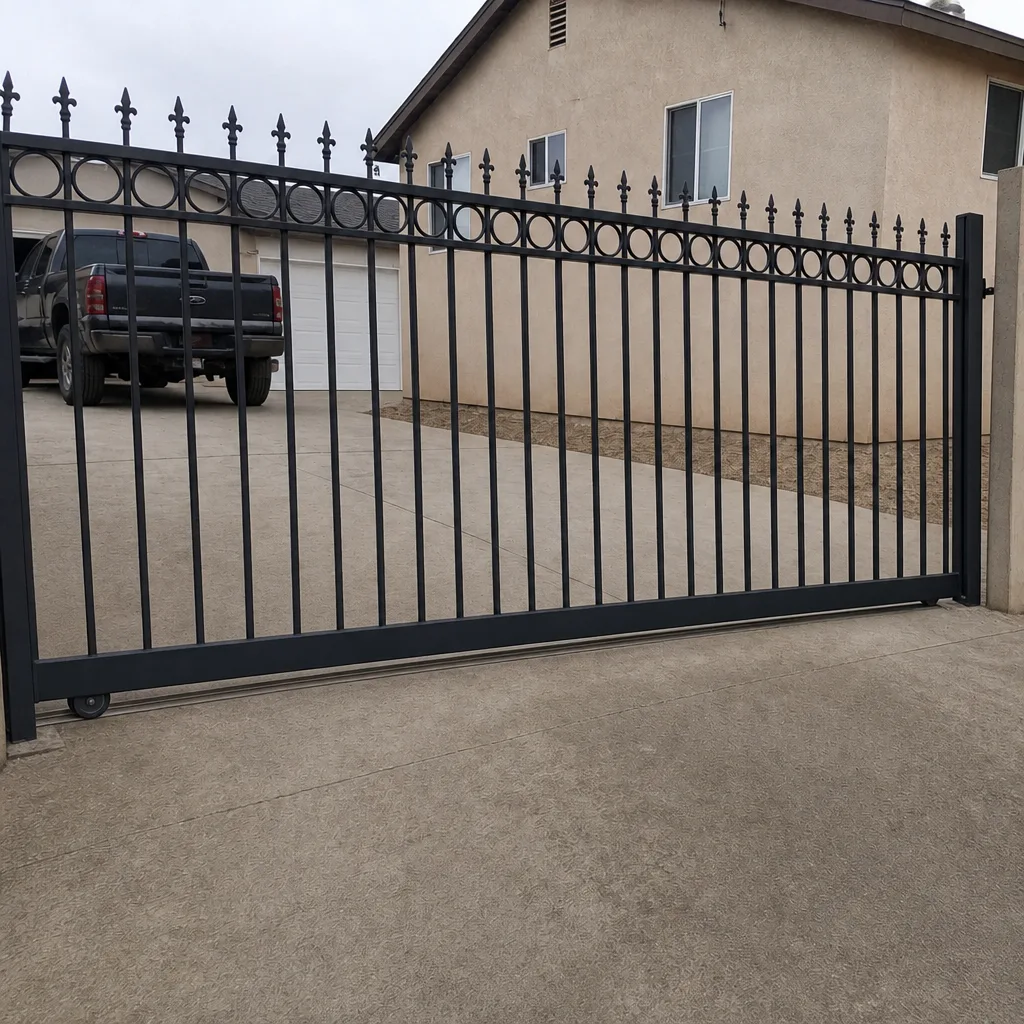
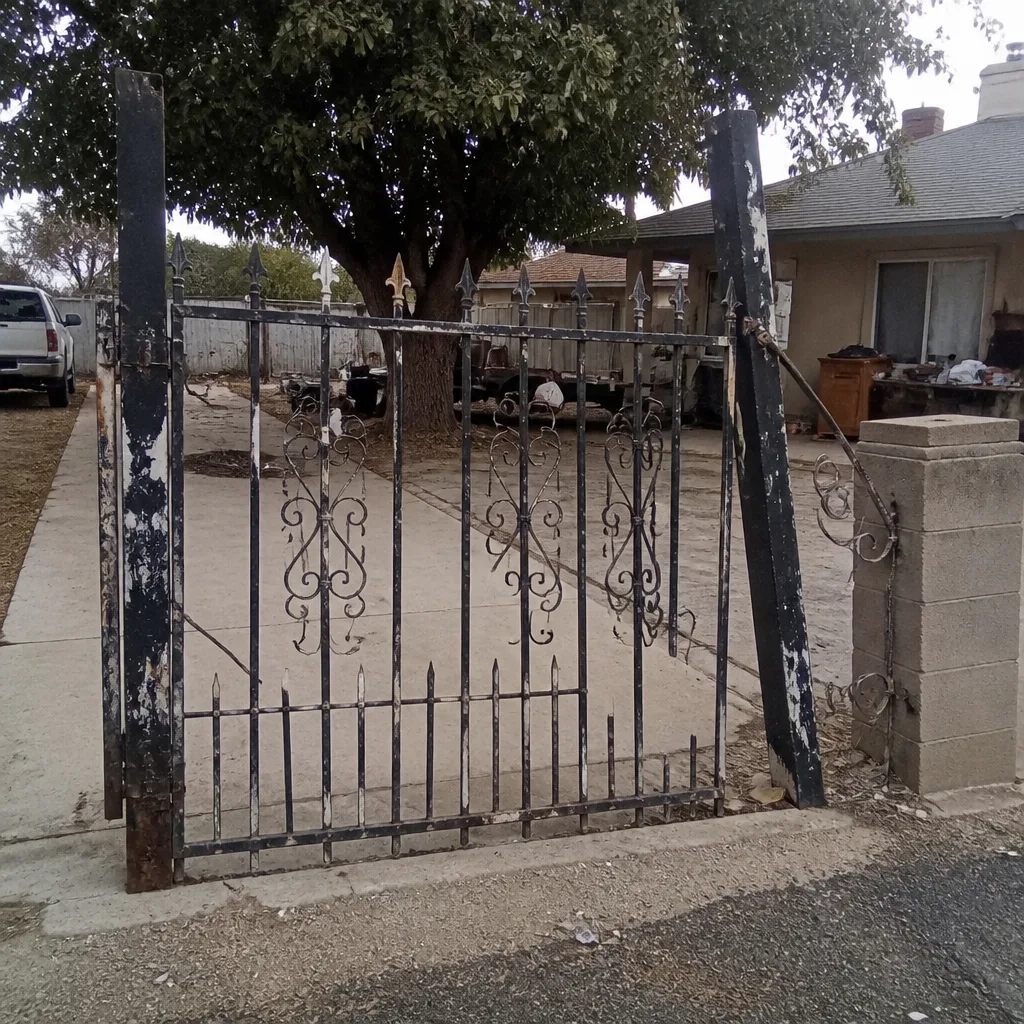
See the difference
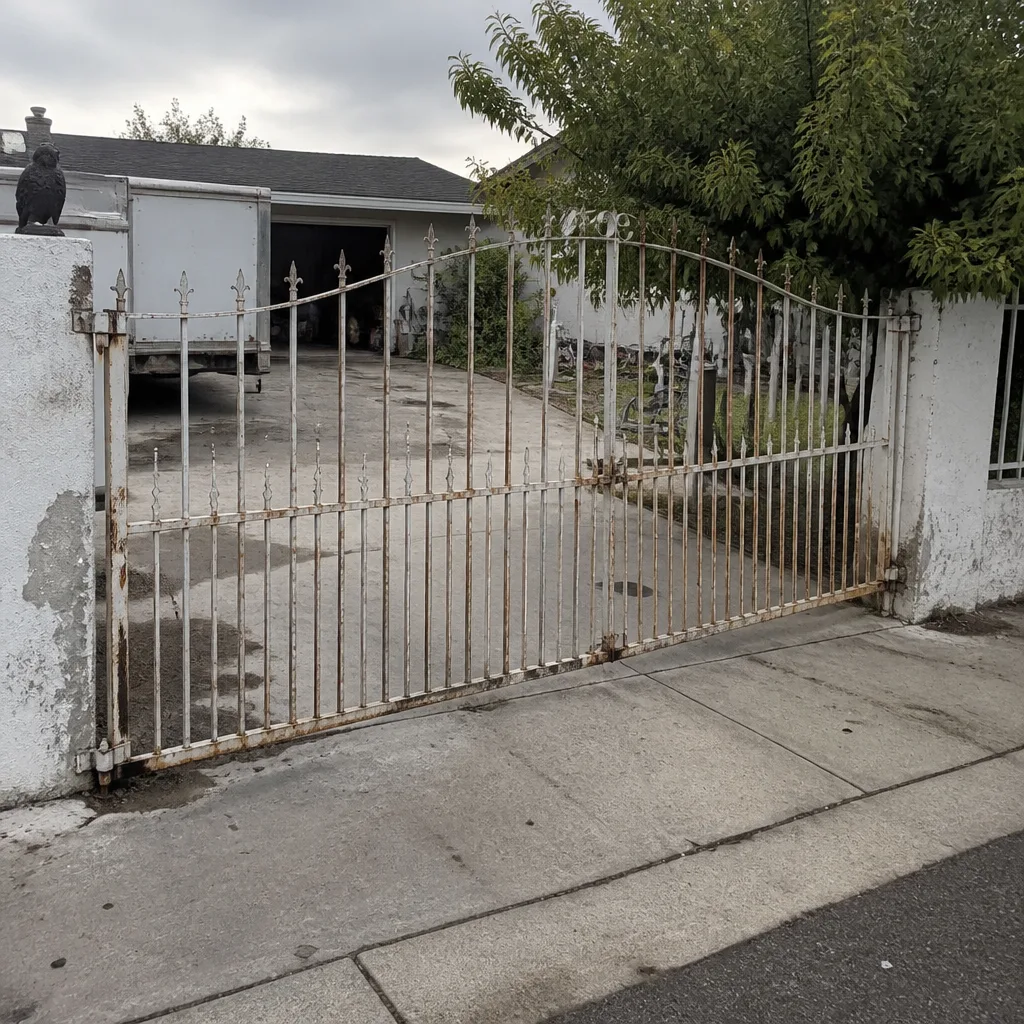 Before
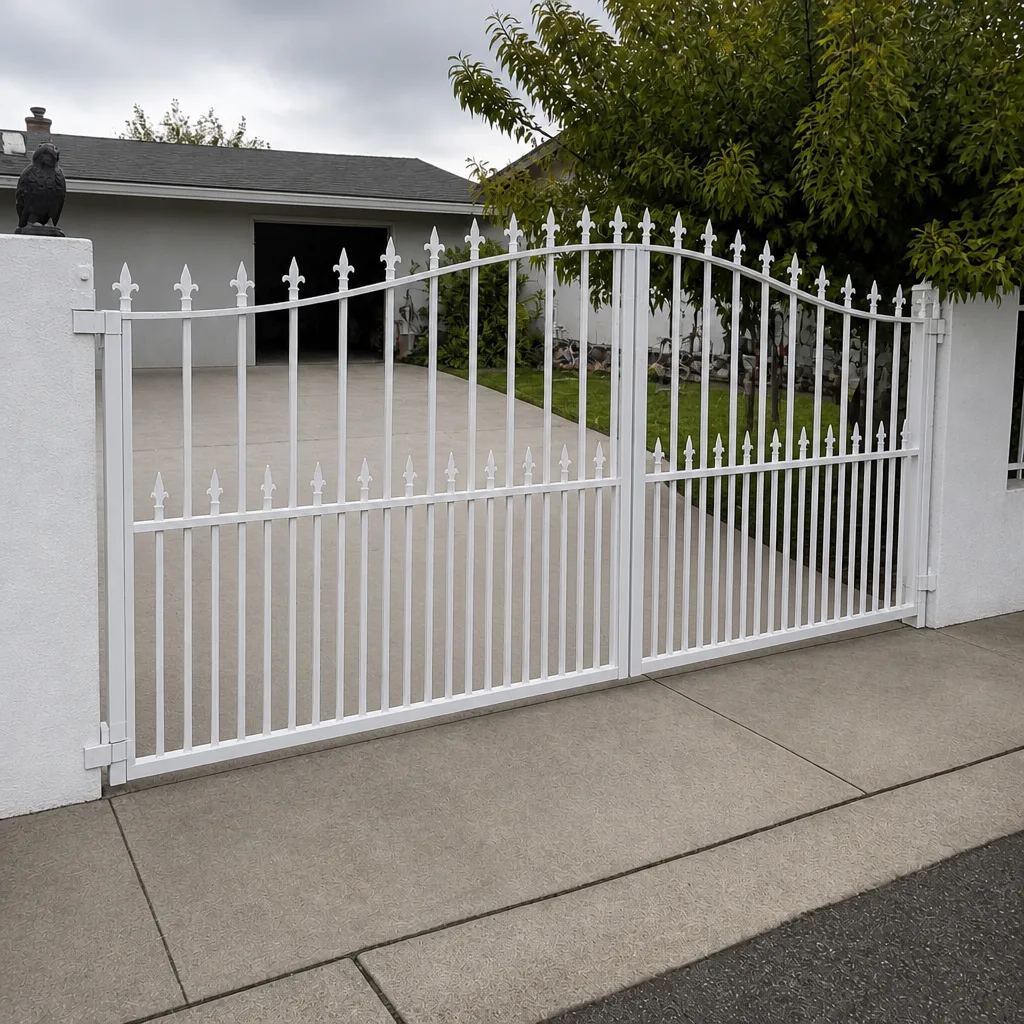 After
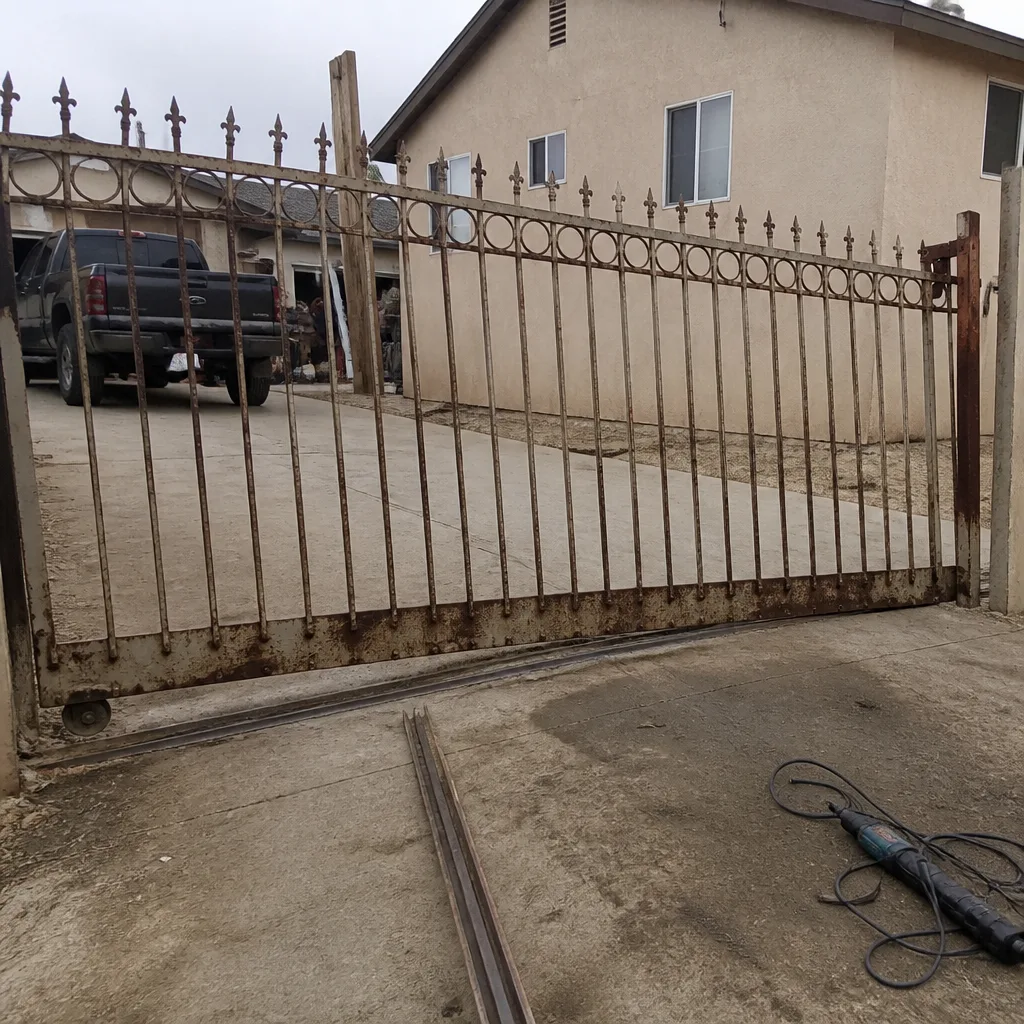 Before
 After
 Before
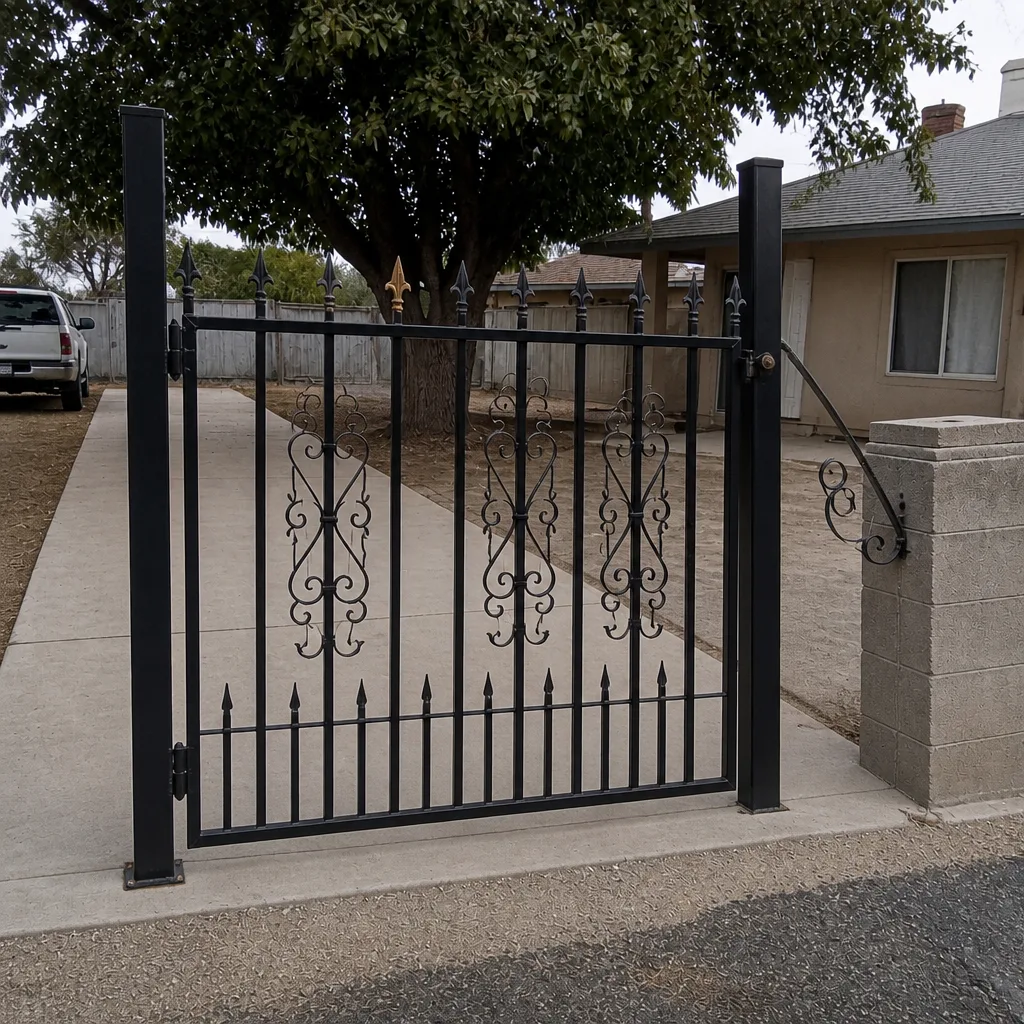 After