
Last updated November 4, 2026
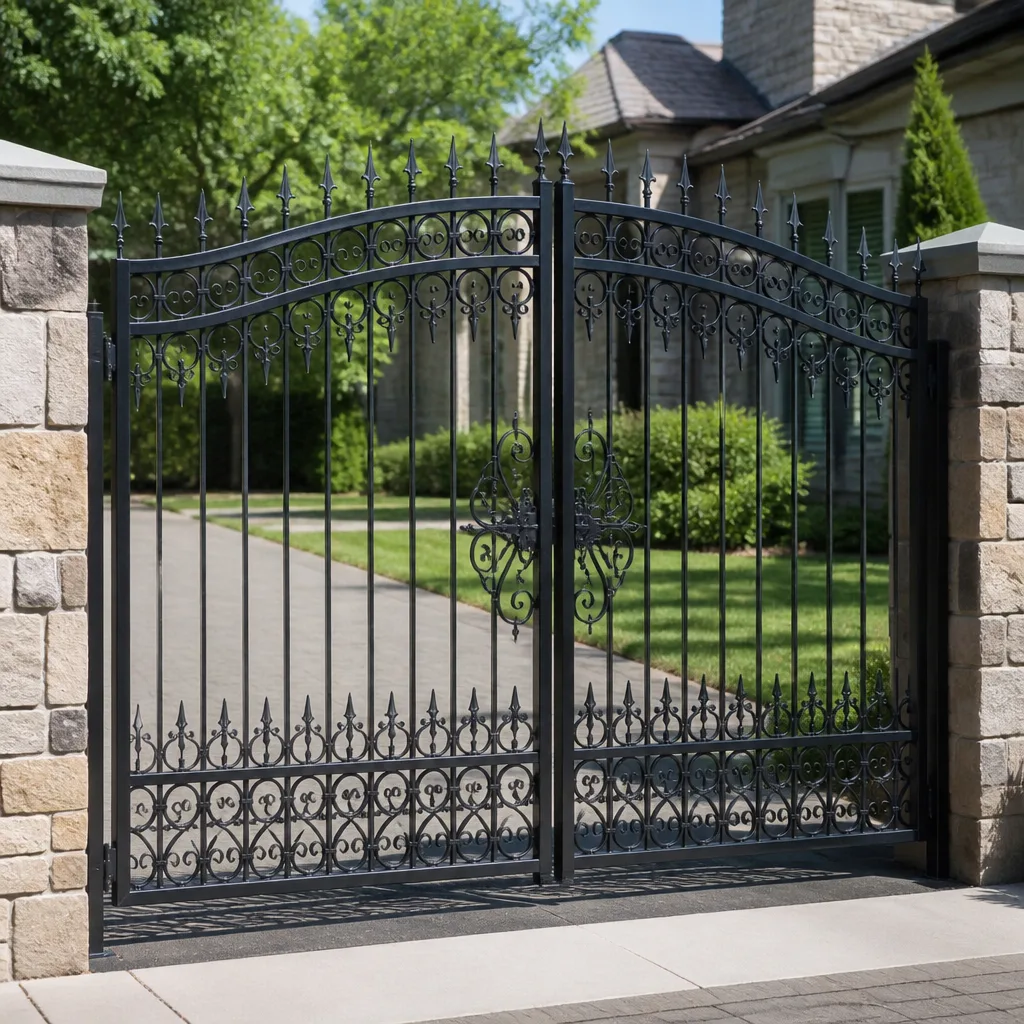 Wrought iron
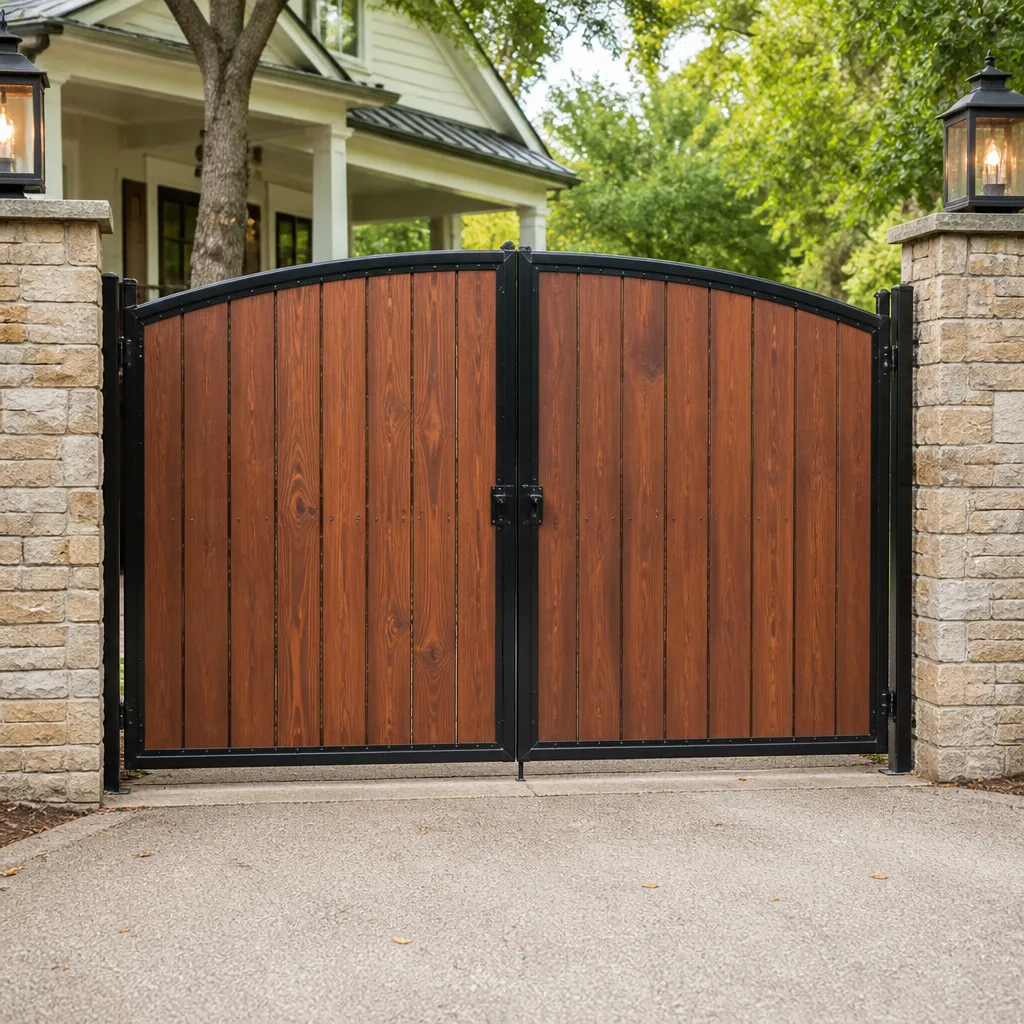 Wood & steel frame
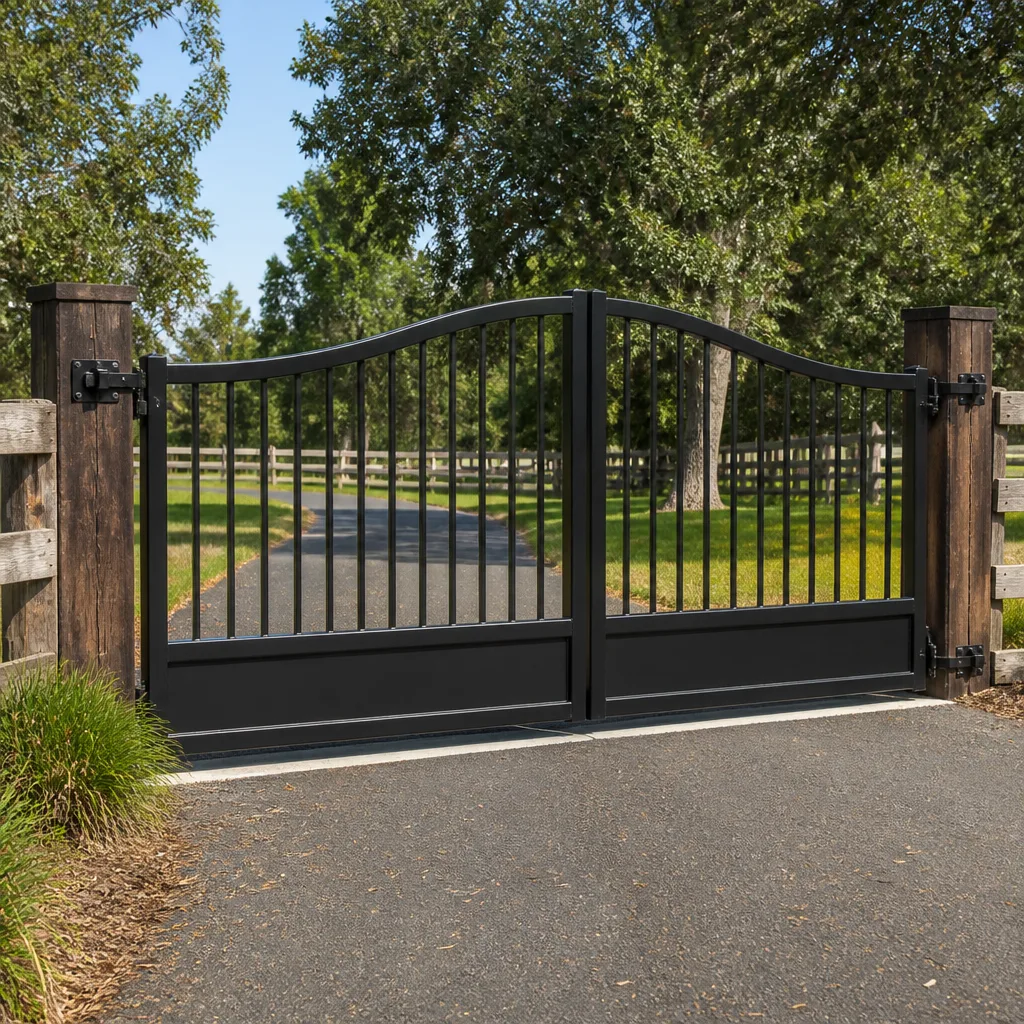 Farm & ranch
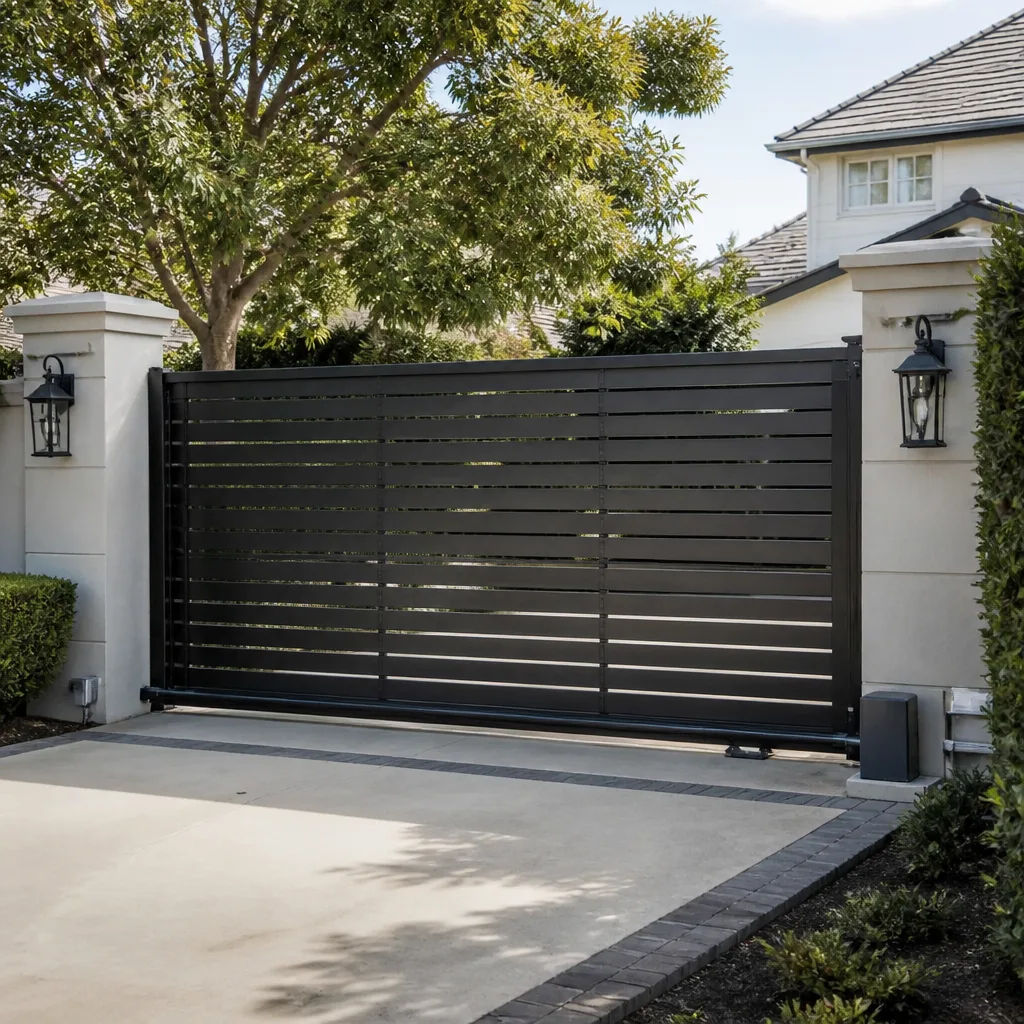 Sliding driveway gates
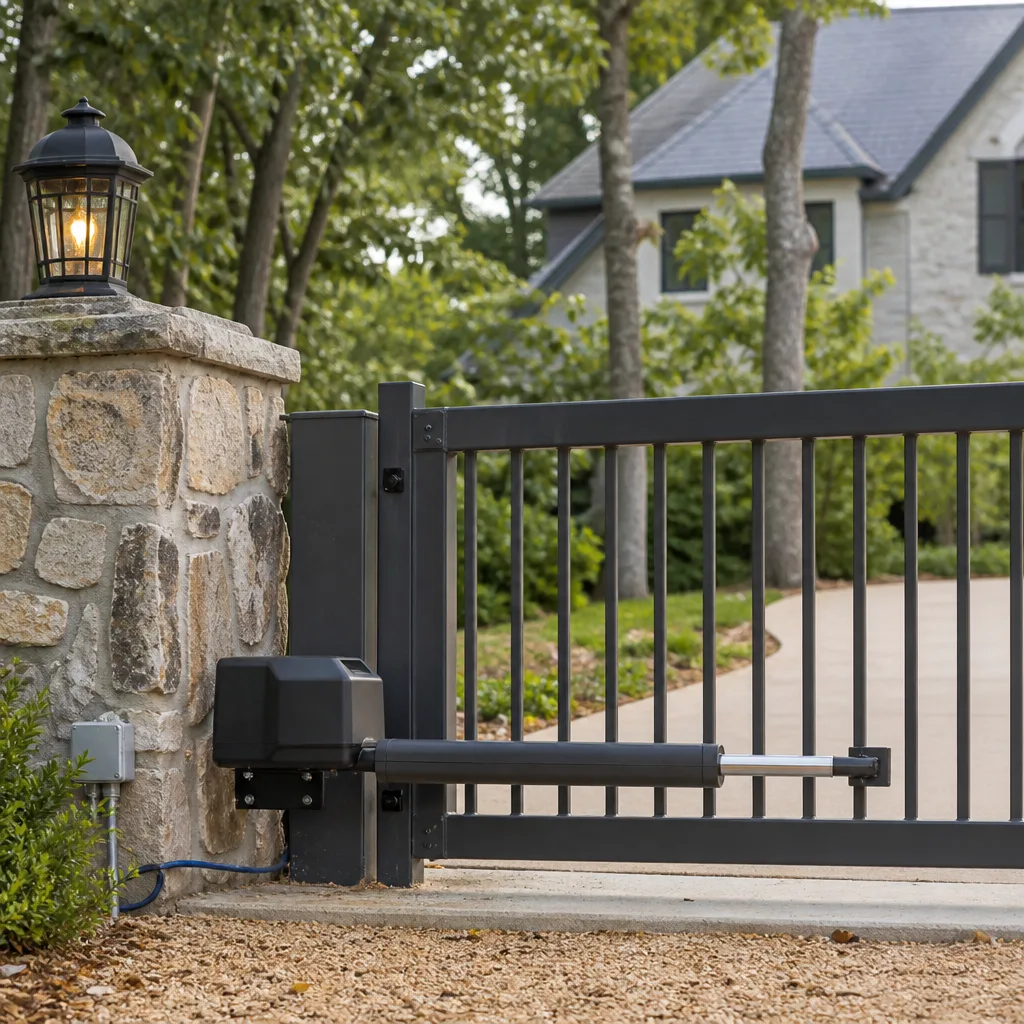 LiftMaster operators
Free on-site gate assessment - hinges, posts, and your LiftMaster or Nice gate operator checked before anything is quoted
The assessment is free and the quote is the invoice.
Get your free estimateDIY vs Professional Gate Repair: The Moreno Valley Homeowner’s Decision Guide
Most gate repair advice online assumes the question is whether you’re handy enough to hold a wrench. That’s the wrong question entirely. The real dividing line between a safe weekend project and a serious liability has nothing to do with skill, and everything to do with what the task touches: mechanical hardware, or electrical systems, entrapment safety devices, and structural steel. In the next few thousand words, we’re going to draw that line precisely, task by task, so a Moreno Valley homeowner can make a decision they won’t regret when the wind picks up or a guest reaches for the keypad.
Quick Answer
DIY gate repair in Moreno Valley is reasonable for cosmetic, non-structural, and non-electrical tasks: tightening hardware, lubricating hinges, cleaning sensors, reprogramming remotes, and replacing batteries. It stops being reasonable the moment the work touches the gate operator, control board, safety sensors, photo eyes, entrapment protection wiring, or any structural post or track. Those categories carry code compliance requirements, manufacturer warranty implications, and personal liability exposure that a homeowner cannot transfer to a YouTube tutorial.
Styles & brands we work with
- Wrought iron
- Wood & steel frame
- Farm & ranch
- Sliding driveway gates
- LiftMaster operators
Table of Contents
- The Real Line: What Makes a Task DIY vs Professional
- Tasks a Moreno Valley Homeowner Can Safely Handle
- What a Homeowner Should Not Touch (And Why It’s Not About Skill)
- The Cost of Misdiagnosis: When DIY Gets Expensive
- Parts Access in Moreno Valley: What You Can’t Buy Over the Counter
- Pre-Call Troubleshooting That Saves Money Without Risk
- Warranty Implications of Owner-Repaired Gates
- Moreno Valley Climate and Gate Wear: What It Means for Repairs
The Real Line: What Makes a Task DIY vs Professional
Let’s state the principle plainly, because it governs everything else in this guide. A gate is a machine with three systems bolted together. The structural system is steel posts, hinges, panels, and track. The mechanical system is the moving hardware: rollers, chains, hinges, wheels. The electrical system is the operator, control board, safety sensors, photo eyes, keypad, loop detectors, and wiring. In our experience as gate repair specialists, the first two systems are often safe for a careful homeowner to adjust. The third is not. Not because the work is technically harder, but because the consequences of a mistake are not visible at the moment you make it.
A homeowner in Moreno Valley might replace a gate wheel and see the gate roll smoothly. That’s a finished job. But an improperly connected safety sensor doesn’t announce itself. The gate opens and closes. The test button doesn’t get pushed. Six months later, a guest’s car is in the path, the gate closes because the sensor loop isn’t detecting, and you’re having a conversation with an insurance adjuster about who installed the loop detector. That’s the entire decision in one sentence: if the failure mode is invisible, it belongs to a professional.
Tasks a Moreno Valley Homeowner Can Safely Handle
The following list is intentionally specific. These are tasks where the worst outcome of a mistake is a squeak, a misaligned panel, or a remote that doesn’t work. They don’t involve line voltage, entrapment risk, or structural failure.
- Tightening loose hardware: Hinges, brackets, and bolts on a swinging gate. Use a socket and a torque-check habit, not an impact driver on high.
- Lubricating hinges and rollers: A dry-film or silicone spray on pivot points. Wipe off the excess because Moren Valley dust plus wet lubricant makes a grinding paste.
- Cleaning photo eyes and reflector lenses: Dust and spider webs are the most common cause of a gate that reverses or refuses to close. A soft cloth and glass cleaner, done carefully, is fine.
- Replacing remote batteries: This fixes more “dead gate” calls than anyone wants to admit.
- Reprogramming existing remotes: If you have the manual for your Linear or Ghost Controls operator, the learn-button procedure is straightforward.
- Trimming vegetation away from the gate path and safety sensors: Mojave desert growth is aggressive. Keeping the photo eye beam clear is routine.
- Repainting or sealing a steel gate panel: Cosmetic rust control, as long as you’re not welding or replacing the panel.
One warning that belongs in this list: on a slide gate, do not tighten the track bolts or attempt to straighten a bent track without understanding the weight distribution. A cantilever slide gate carries its weight on two pairs of carrier wheels, and “just leaning on it” while loosening a bracket can put several hundred pounds where you didn’t expect it. If the gate is binding on the track, that’s a structural question, not a lubrication question, and it moves to the professional list.
What a Homeowner Should Not Touch (And Why It’s Not About Skill)
This is the list that should be taped inside a cabinet. The bright yellow line.
- The operator’s internal wiring and control board. Gate operators run on line voltage and the control board is sensitive to static discharge and short circuits. A wrong jumper setting can fry a board that would have cost $200 to repair, turning it into an $800 operator replacement.
- Safety sensor alignment and wiring. Photo eyes and loop detectors are entrapment-protection devices. UL 325 governs how they must function on an automated gate. If you alter the wiring and the gate later injures a person or damages a vehicle, the installing party owns the liability. “I followed a forum post” is not a defense that liability carriers accept.
- Control board swaps. This is the most common DIY mistake with the highest cost delta. We’ll address it in the next section, but the short version: a board swap requires matching revision numbers, setting DIP switches correctly, and often requires an electric gate repair technician to program limits and force settings after install.
- Limit switch and force adjustment. These settings determine how hard the gate pushes against an obstruction before reversing. Set the force too high and a child or pet can be seriously hurt. Set it too low and the gate reverses constantly in the Moreno Valley wind, which is often strong.
- Structural post or steel repair. If a post is leaning or the frame is cracked, welding or post-setting is required. A poorly set post shifts after the first Santa Ana wind event and every subsequent gate alignment issue traces back to it.
- Any work involving the gate’s power source. If the gate is wired to a dedicated circuit, adding or altering that connection without a permit and inspection may violate local requirements and void home insurance coverage for that fixture.
The common thread: these tasks involve electricity, entrapment protection, or heavy structural steel. Not one of them is about how tight you can turn a bolt.
The Cost of Misdiagnosis: When DIY Gets Expensive
Here’s a pattern we see often enough in Moreno Valley to write about it directly. A homeowner’s automatic gate stops responding. They search online. The forum consensus says the operator is dead. They order a new operator, typically a consumer-grade model because that’s what’s available online at retail. They spend a weekend installing it. The gate still doesn’t work, because the problem was the control board, or a failed safety sensor, or a broken wire splice in the conduit. Now they have a new operator that they can’t return, an original operator that may still be serviceable, and a repair bill that includes removing the incorrect install and restoring the original system.
Electric gate repair diagnosis is not a parts-swapping discipline. It’s a sequence of voltage checks, sensor loop tests, and board-level troubleshooting. A technician who works across DoorKing, Viking, and Ghost Controls sees the failure patterns of each brand. A homeowner sees one gate, one problem, one guess. The guess is occasionally right. When it’s wrong, the cost of the wrong part plus the technician’s corrective labor is typically more than the correct diagnosis would have cost from the beginning.
Let’s put numbers to the principle. The approximate cost of a professional diagnostic visit in the Moreno Valley market, applied against the eventual repair, is often less than the cost of a new operator purchased at retail. The owner-purchased operator is frequently the single most expensive misdiagnosis on a residential gate system. We’re not saying every owner replacement is wrong. We’re saying that when boards fail, operators get replaced unnecessarily, and board repairs or replacements cost a fraction of an operator.
Parts Access in Moreno Valley: What You Can’t Buy Over the Counter
This is an information-gap issue most DIY guides skip entirely, because the writers have never tried to source gate parts at retail. Homeowners in Moreno Valley have access to big-box hardware stores and online marketplaces. What those channels carry is a narrow slice of consumer-grade gate hardware: some Mighty Mule remote controls, generic photo eyes, wheels, hinges, and chain-link hardware. What they do not carry is the professional and commercial-grade component inventory.
A DoorKing control board is sold through authorized distribution. So is a Linear operator arm, a Viking loop detector, or a Ghost Controls receiver module. These manufacturers restrict distribution specifically to preserve warranty integrity and to ensure that installation is performed by someone who has read the technical documentation. The consumer-grade substitute that fits the mounting holes may work for a season, but it’s not rated for the duty cycle of your gate and it won’t communicate correctly with the rest of the system.
There’s also a counterfeiting issue with online marketplaces. We have seen cases where a “DoorKing-compatible” board was neither compatible nor manufactured by anyone with a legitimate nameplate. When a substitute part fails downstream, it often takes a healthy component with it. The technician who could have sourced the correct part in the first place now has two replacements to make.
Pre-Call Troubleshooting That Saves Money Without Risk
This section is genuinely useful and risks nothing, because it involves no disassembly and no electrical work. If you call a Gate Repair Moreno Valley technician with this checklist already completed, the diagnostic process is faster, and the faster the diagnosis, the less the labor. Here’s what to check before you pick up the phone:
- Power to the operator. Check the breaker. Check the GFCI outlet if the operator uses one. In Moreno Valley, heavy wind sometimes trips a GFCI on an exterior circuit.
- Photo eye alignment and cleanliness. Look for a solid indicator light on each eye. If one is blinking, it’s misaligned or blocked. This is the number one cause of “my gate won’t close.”
- Remote battery. Replace it before you call. Write the date on the battery.
- Manual release. If the gate opens manually but not electrically, the issue is in the operator or control system, not the mechanical gate. That’s a useful data point to tell the technician.
- Obstruction check. Look for gravel, sticks, or debris in the track of a slide gate, or against the hinges of a swing gate.
- Look and listen without opening the operator cover. Does the operator click when you press the button? Does it hum? Does nothing happen at all? A click, a hum, or silence are three distinct diagnostic paths.
None of these steps requires opening the operator housing, touching wiring, or adjusting anything. They’re safe, they’re fast, and they meaningfully reduce the technician’s diagnostic time on site, which reduces your service bill in a billable-hour scenario. When we install or repair a gate in Moreno Valley, we prefer a customer who has already checked the photo eyes and the breaker. It saves everyone a repeat visit.
Warranty Implications of Owner-Repaired Gates
This is the section most DIY guides dance around, so let’s be direct. Manufacturer warranties on gate operators and control boards are conditional. The warranty covers defects in materials and workmanship under normal use, installed by qualified personnel. When a homeowner opens the operator cover, cuts into the wiring harness, or installs a non-spec board, the manufacturer’s obligation typically ends at the moment the unauthorized modification began.
The brands we work with across the market, including Linear and DoorKing, are explicit in their warranty documentation that unauthorized service voids the coverage. And here’s the lawyerly phrase that matters: “voided by owner-performed repairs” is not always reversible. If a homeowner replaces a control board, then a technician attempts a warranty claim on the motor, the manufacturer’s service department can reasonably argue that the board swap was the initiating event.
There is a proper way to document owner work. If you perform a safe, non-electrical maintenance task, write down what you did, when you did it, and keep the receipt for the product you used. That paper trail matters if a warranty claim or an insurance claim ever arises. For anything electrical or structural, leave it to a technician and keep the invoice, which serves as proof of qualified installation.
Moreno Valley Climate and Gate Wear: What It Means for Repairs
Moreno Valley’s inland Southern California climate is genuinely hard on gate systems, though not for the reasons you might assume. We’re not dealing with freeze-thaw cycling or salt air. We’re dealing with dust, wind, and heat that bakes electronics.
The first is fine dust. The Moreno Valley area sits in an arid climate where the air carries a constant, fine particulate. That dust infiltrates control board enclosures, coats photo eye lenses, and works its way into the grease on drive chains and track rollers. The result is precisely the kind of intermittent sensor problem that sends a homeowner to the internet. Cleaning the photo eyes monthly during the windy season is a legitimate preventive measure.
The second is Santa Ana wind. Sustained high wind loads push against a swing gate and cause repeated limit-setting drift. The operator senses the resistance and either reverses or adjusts. A homeowner who notices their gate behaving differently after a wind event should record the change, not immediately reprogram the limits. Force settings and limit positions interact with the wind load in ways that are not intuitive.
The third is direct sun on the operator housing. In the summer, a black operator box in Moreno Valley can reach surface temperatures well over the ambient air. Electronics degrade faster in sustained heat. That’s the argument for a shade structure or a light-colored operator cover, and it’s also why some gate systems in Moreno Valley fail earlier than their coastal counterparts. The climate here doesn’t freeze a gate, but it does produce more control board and capacitor failures over the life of a system.
Common Mistakes to Avoid
- Replacing the operator before testing the control board. As covered above, this is the single most expensive DIY error. A board replacement costs a fraction of an operator, and the operator may have years of life left.
- Bypassing a safety sensor because the gate “won’t close.” This creates an entrapment hazard and transfers the legal responsibility for any resulting injury to the person who bypassed the sensor. Never jumper a photo eye or loop detector.
- Overtightening a sagging gate hinge instead of finding the structural cause. A sagging gate is almost always a post or frame issue. Cranking the hinge only shifts the stress point and accelerates the eventual failure.
- Lubricating with WD-40. WD-40 is a water displacer, not a long-term gate lubricant. It washes out the existing grease and evaporates. Use a dry-film spray or white lithium grease on the correct components.
- Buying a “universal” receiver for a branded system. Universal receivers often have reduced range, lower weather sealing, and compatibility gaps with safety features. They’re a false economy on an automated gate.
- Ignoring a grinding sound and continuing to run the gate. A grinding chain or a failing wheel bearing doesn’t heal. Continuing to cycle the gate turns a $150 wheel replacement into a $1,000 track and chain repair.
- Power-washing the control box. Water ingress into a gate operator is a common and entirely avoidable cause of board failure in Moreno Valley. Clean the exterior with a damp cloth, never a pressure washer.
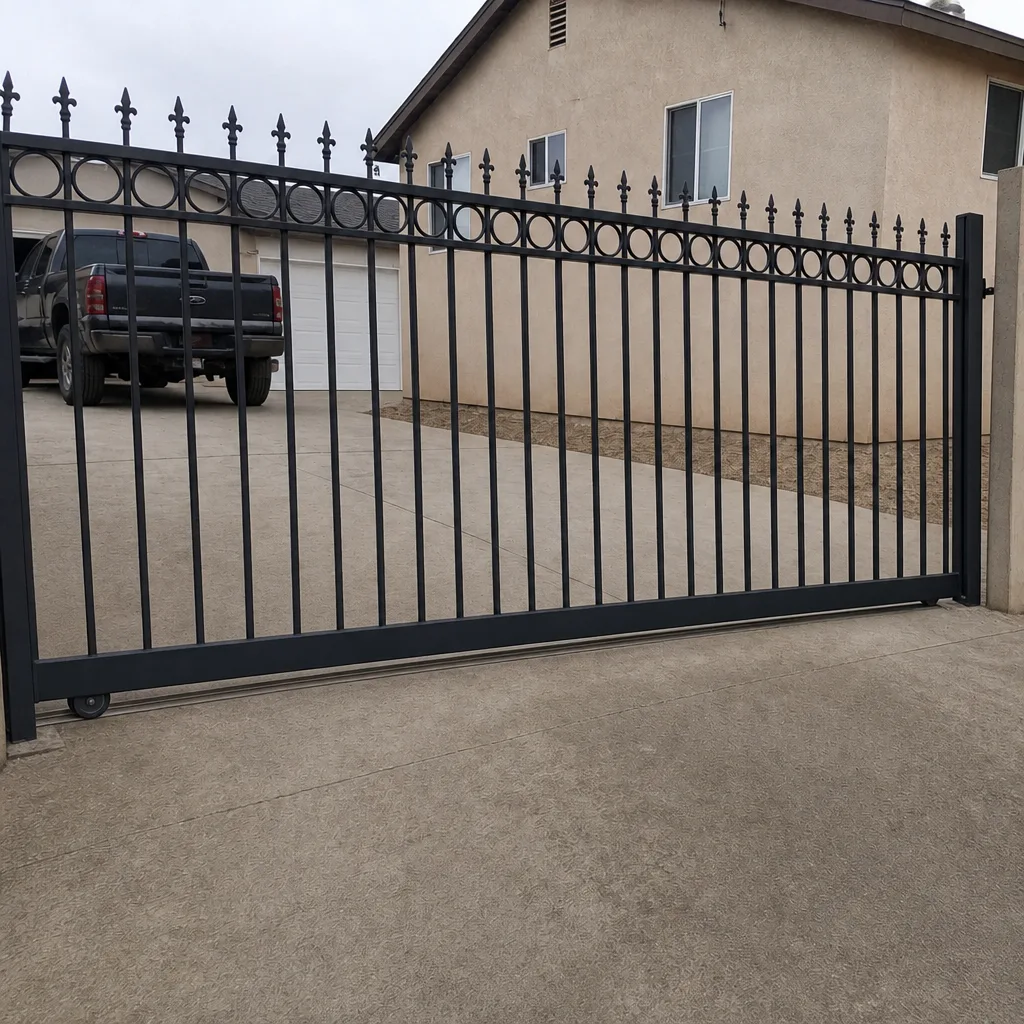
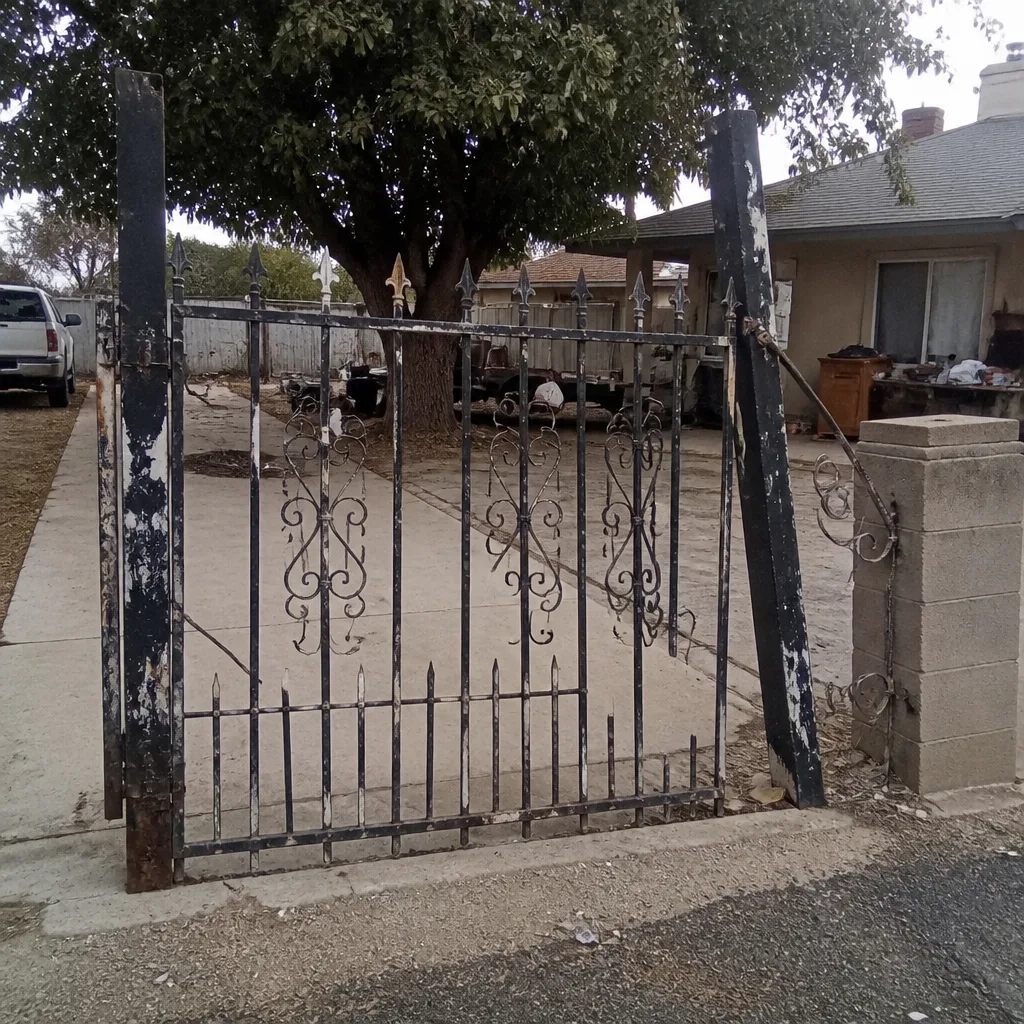
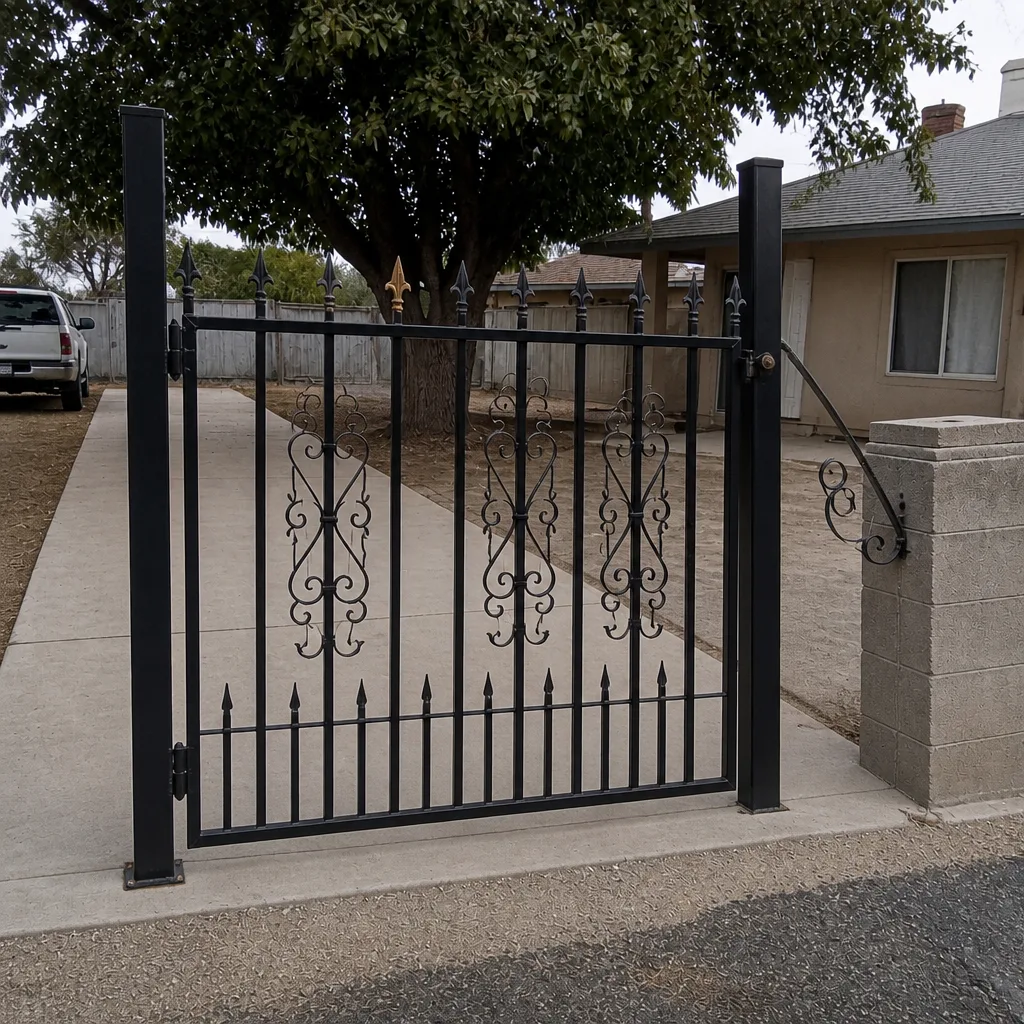
See the difference
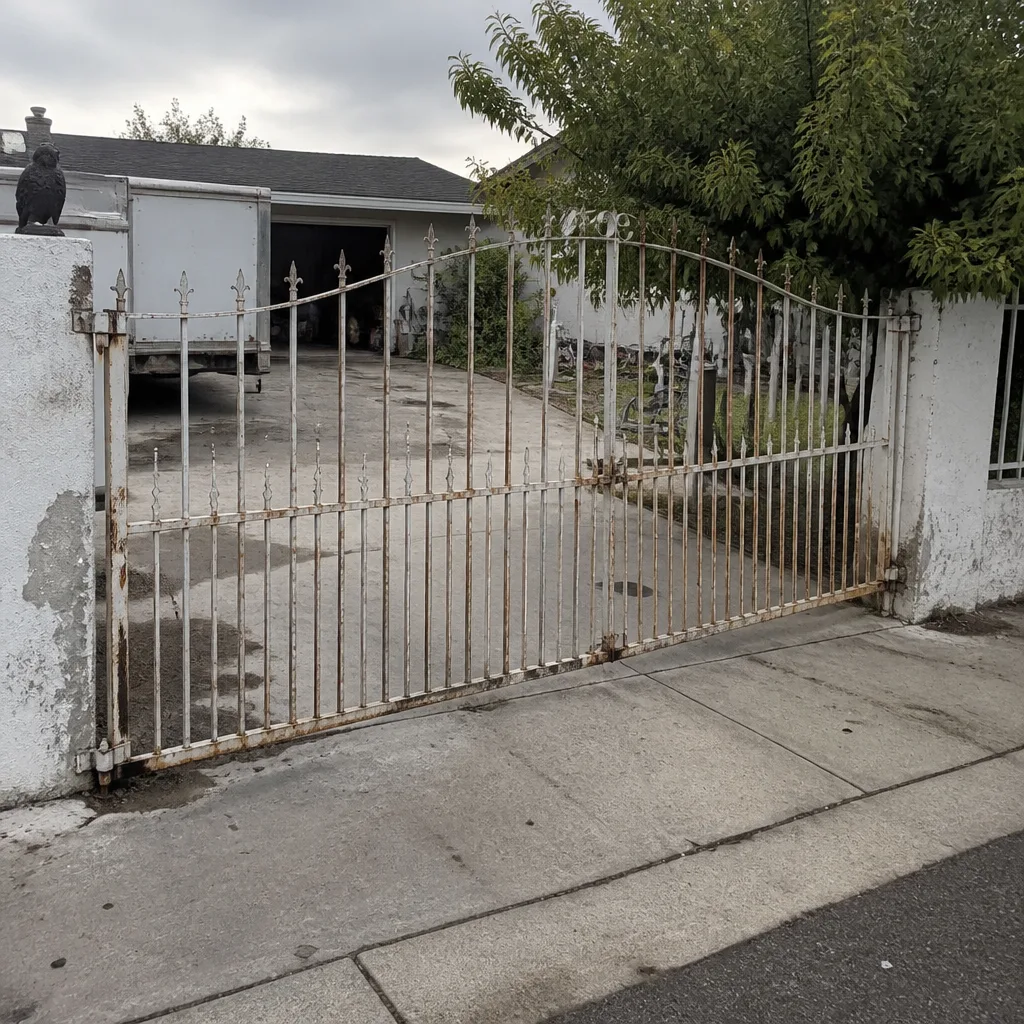 Before
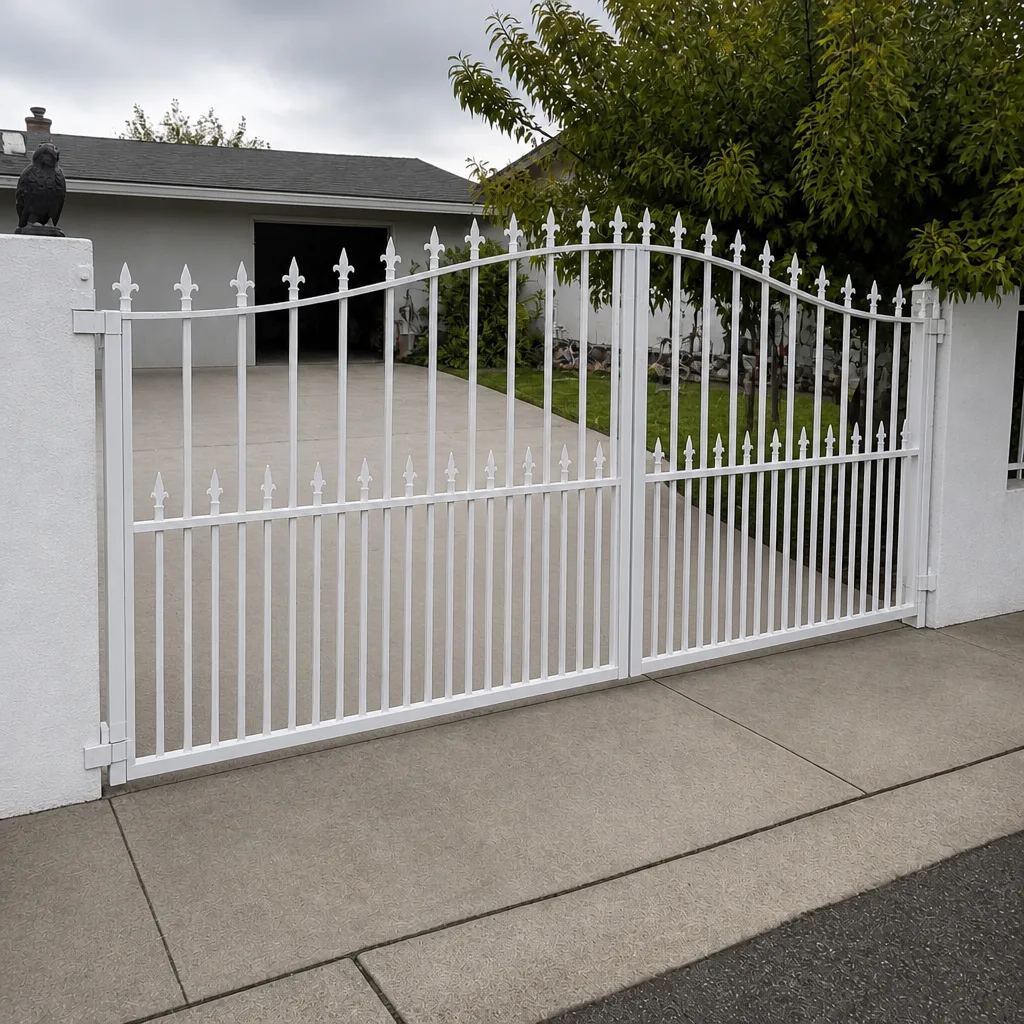 After
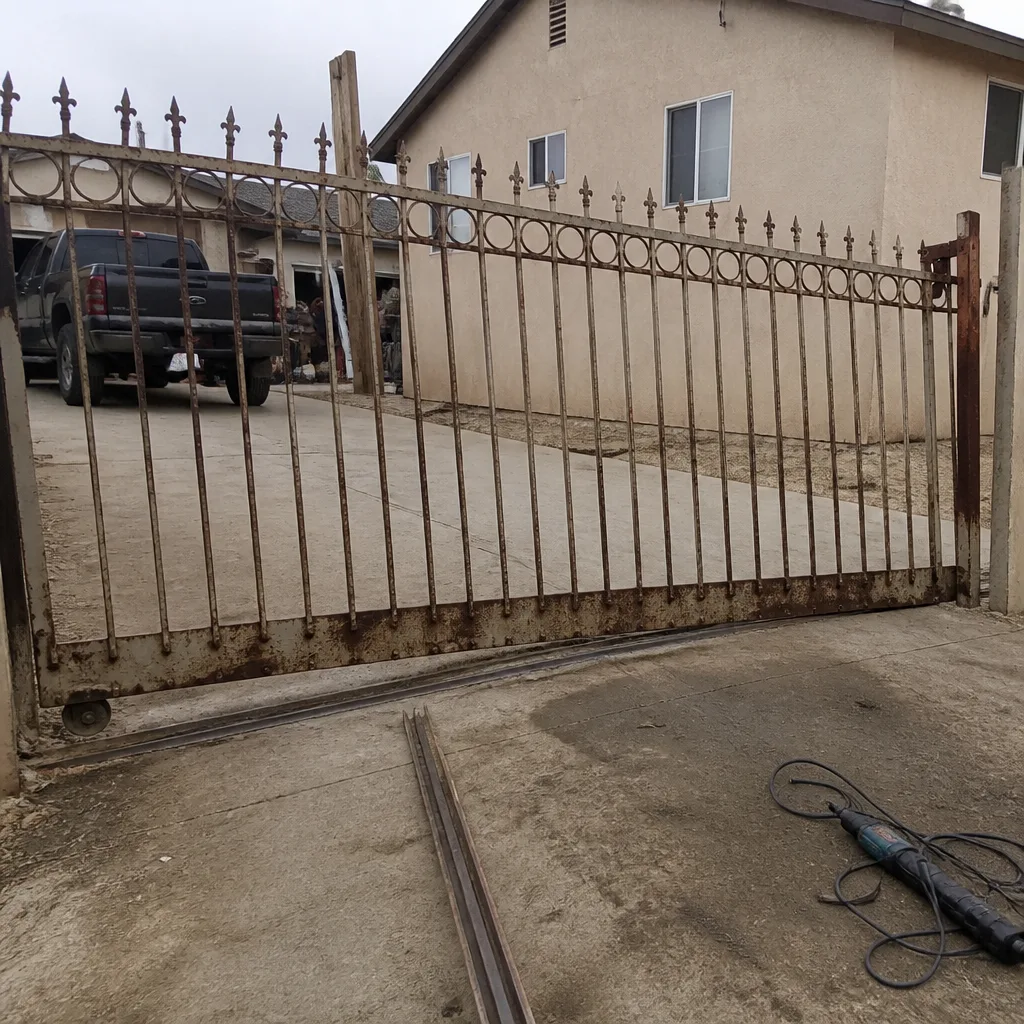 Before
 After
 Before
 After
When to Call a Professional
Call a professional when the gate won’t open or close, when it reverses for no visible reason, when it makes a grinding or scraping sound, when a remote won’t pair after a battery change, when the keypad stops responding, when a post is leaning, or when you see exposed wiring anywhere on the system. Call before you open the operator cover. Call before you buy a part online. The pattern is consistent: if the task is on the not-DIY list, the professional call is the cheaper call at the point of decision. Gate Repair Moreno Valley offers free estimates in Moreno Valley. Call (844) 614-1023. We answer 24/7. Fast dispatch from 7am to 7pm, Sunday through Friday.
Frequently Asked Questions
You can perform safe, non-electrical maintenance like cleaning sensors, tightening hardware, lubricating hinges, and replacing remote batteries. You should not open the operator housing, adjust safety sensor wiring, or modify the control board, because these tasks involve line voltage, entrapment protection compliance, and warranty coverage.
Gate repair pricing is always per job, by written estimate. A professional diagnostic rarely costs more than the price of an unnecessarily replaced operator. For an exact quote on your specific gate, call (844) 614-1023. The estimate is free and the price is set before any work begins.
Photo eye misalignment and dust buildup are the most common issues we see. The arid climate and frequent wind coat the sensor lenses with fine dust, causing the gate to reverse or refuse to close. Cleaning and realigning the sensors often resolves the problem without further repair.
We work on your brand. Our technicians handle Linear, Viking, Ghost Controls, DoorKing, and other major gate system manufacturers, across residential and commercial installations. If you know the brand, tell us when you call, and we’ll arrive prepared.
We answer 24/7. Fast dispatch from 7am to 7pm, Sunday through Friday. Same-day service is often available for an inoperable gate. Call (844) 614-1023 and describe what the gate is doing, and we’ll get a technician to you as soon as the schedule allows.
In most cases, yes. Manufacturer warranties on gate operators and control boards require qualified installation and service. Unauthorized electrical work typically voids the warranty. If you’ve done owner work, keep a written record and the parts receipt, and have a professional handle anything electrical or structural going forward.
The Bottom Line
The DIY vs professional decision for gate repair in Moreno Valley is not a test of your mechanical competence. It’s a category question. Cosmetic and non-electrical maintenance is safe, economical, and often necessary in this climate of dust and wind. Electrical troubleshooting, entrapment safety devices, control boards, and structural steel are professional work because the liability and warranty consequences of a mistake are invisible until they’re not. When in doubt, use the rule from the top of this guide: if the failure mode is invisible, it belongs to a specialist. For everything else, a wrench, a dry-film lubricant, and a clean photo eye will serve a Moreno Valley homeowner well.
Written by the team at Gate Repair Moreno Valley, serving Moreno Valley since 2015.