
Last updated November 4, 2026
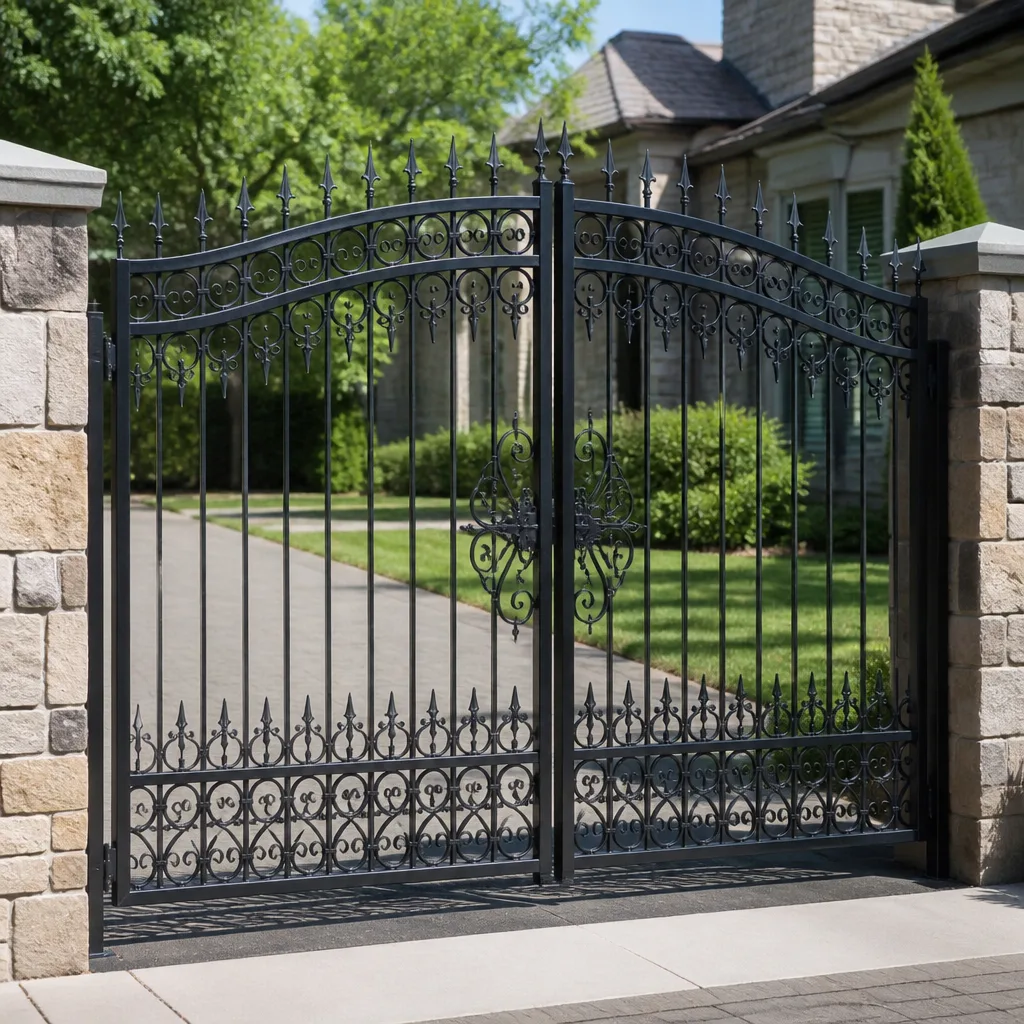 Wrought iron
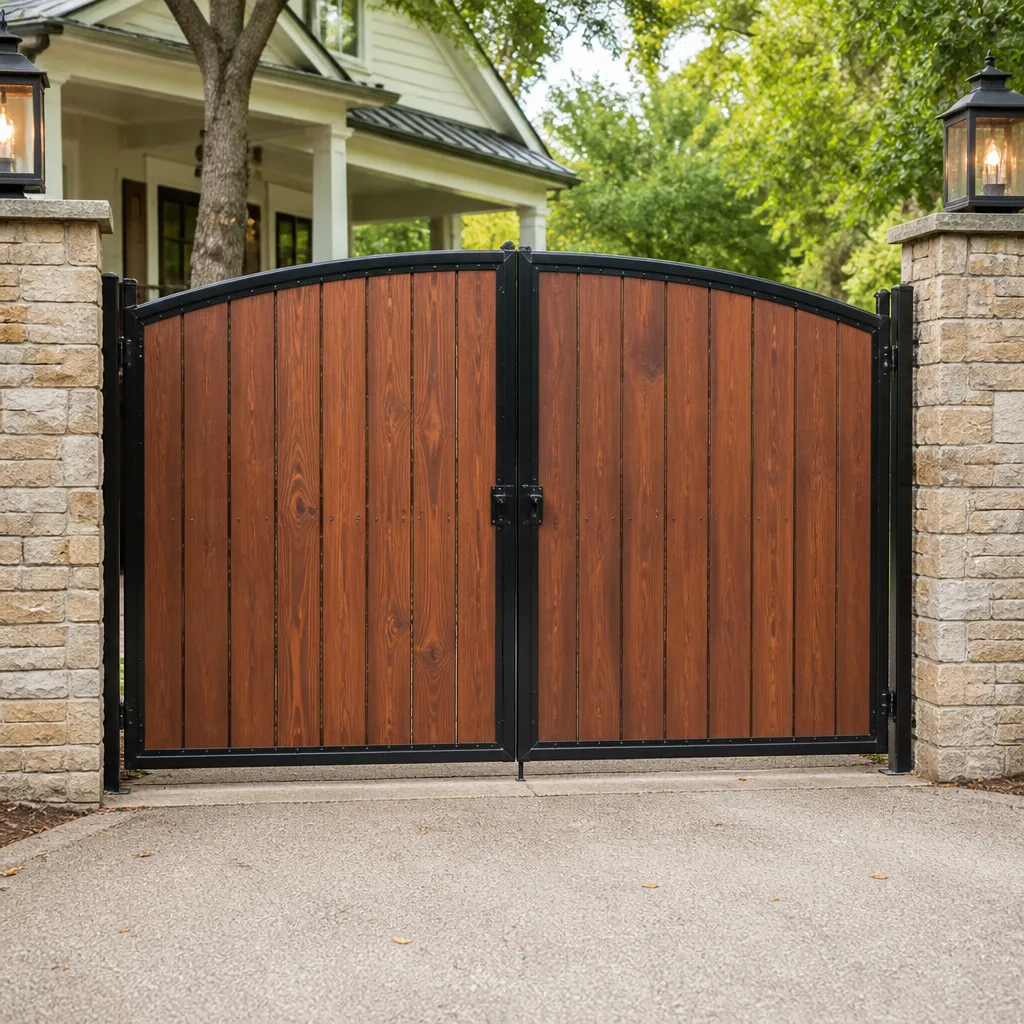 Wood & steel frame
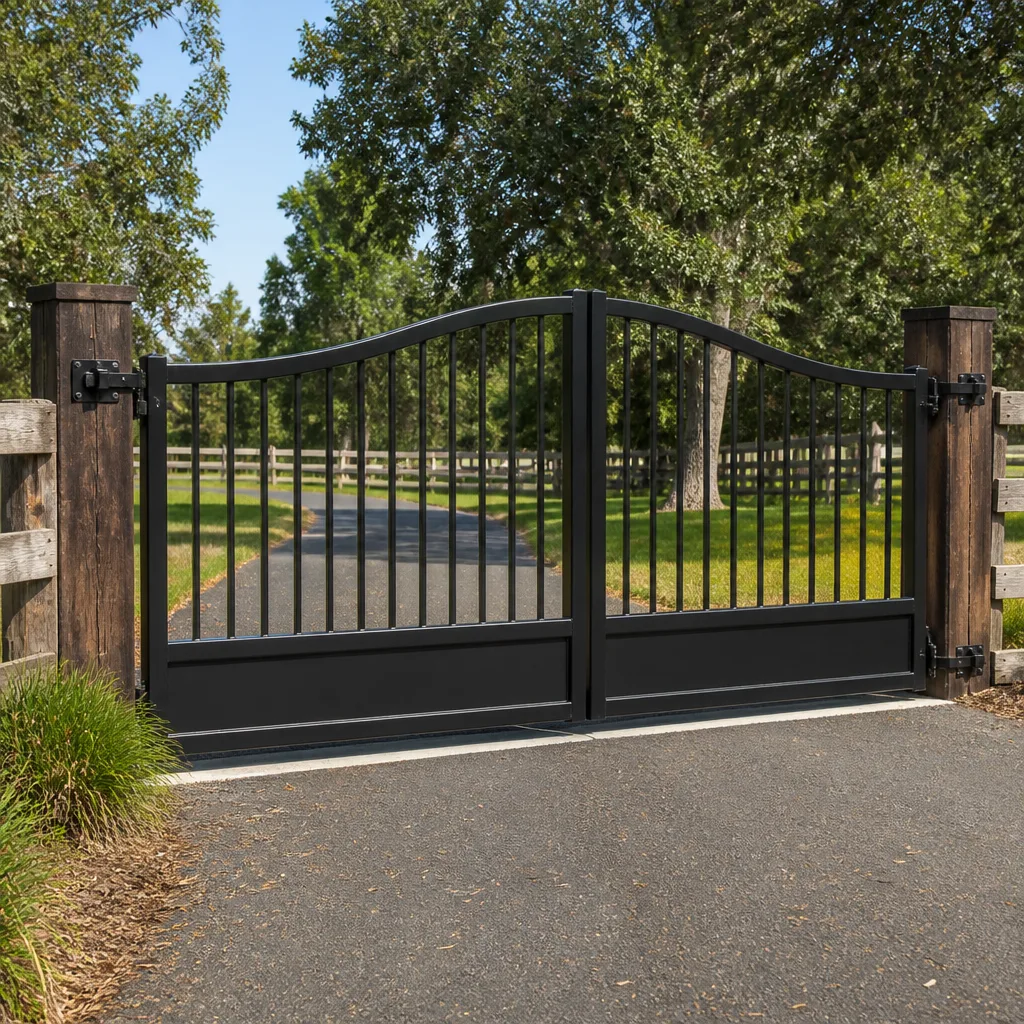 Farm & ranch
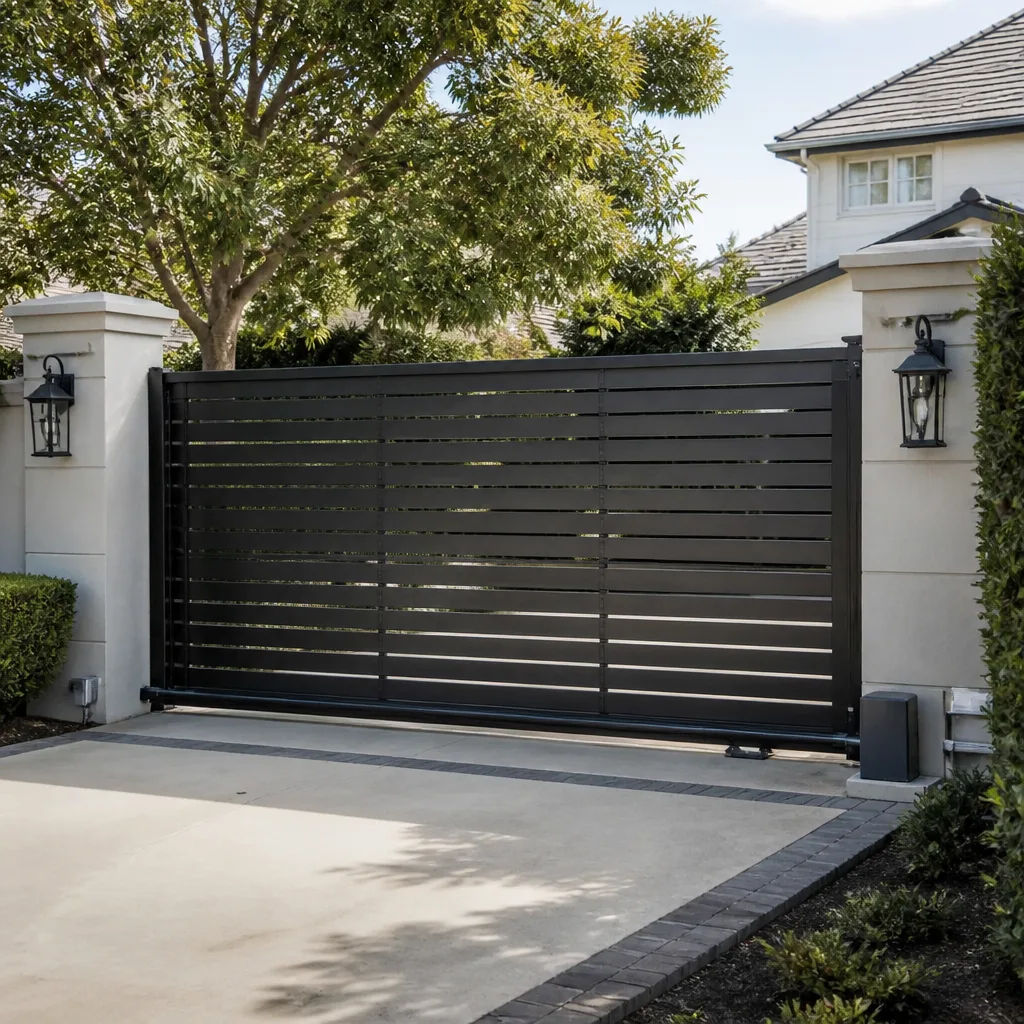 Sliding driveway gates
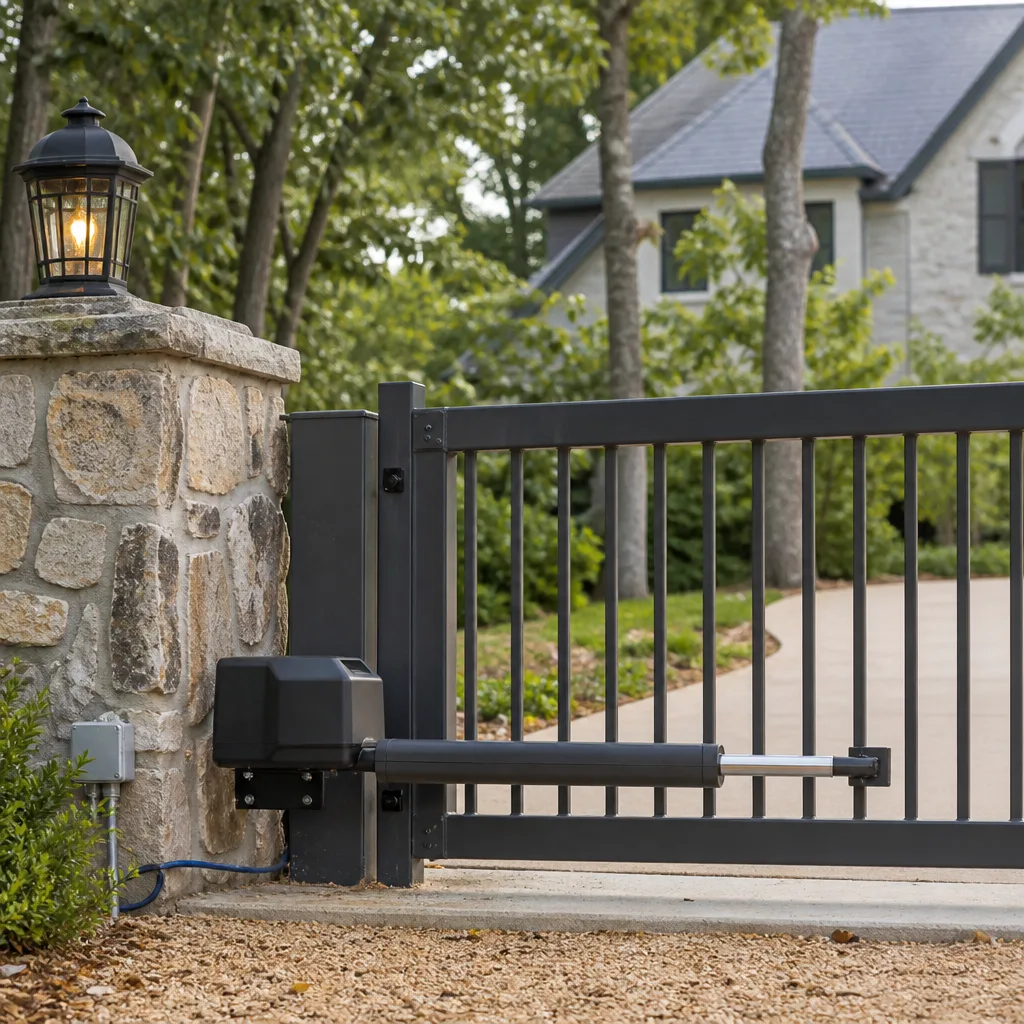 LiftMaster operators
Free on-site gate assessment - hinges, posts, and your LiftMaster or Nice gate operator checked before anything is quoted
The assessment is free and the quote is the invoice.
Get your free estimateThe Complete Guide to Gate Repair in Moreno Valley
Most gate failures in Moreno Valley look like emergencies but trace back to five predictable root causes. The gate that reverses before closing and the gate that won’t open at all often share the same culprit: a misaligned safety sensor or a control board confused by heat and dust. This guide maps each common symptom to its actual fix, so you know whether you’re looking at a $40 part or a full operator replacement before anyone shows up with a wrench. It’s written from our experience as gate-only specialists working in Moreno Valley’s specific climate and housing stock.
Styles & brands we work with
- Wrought iron
- Wood & steel frame
- Farm & ranch
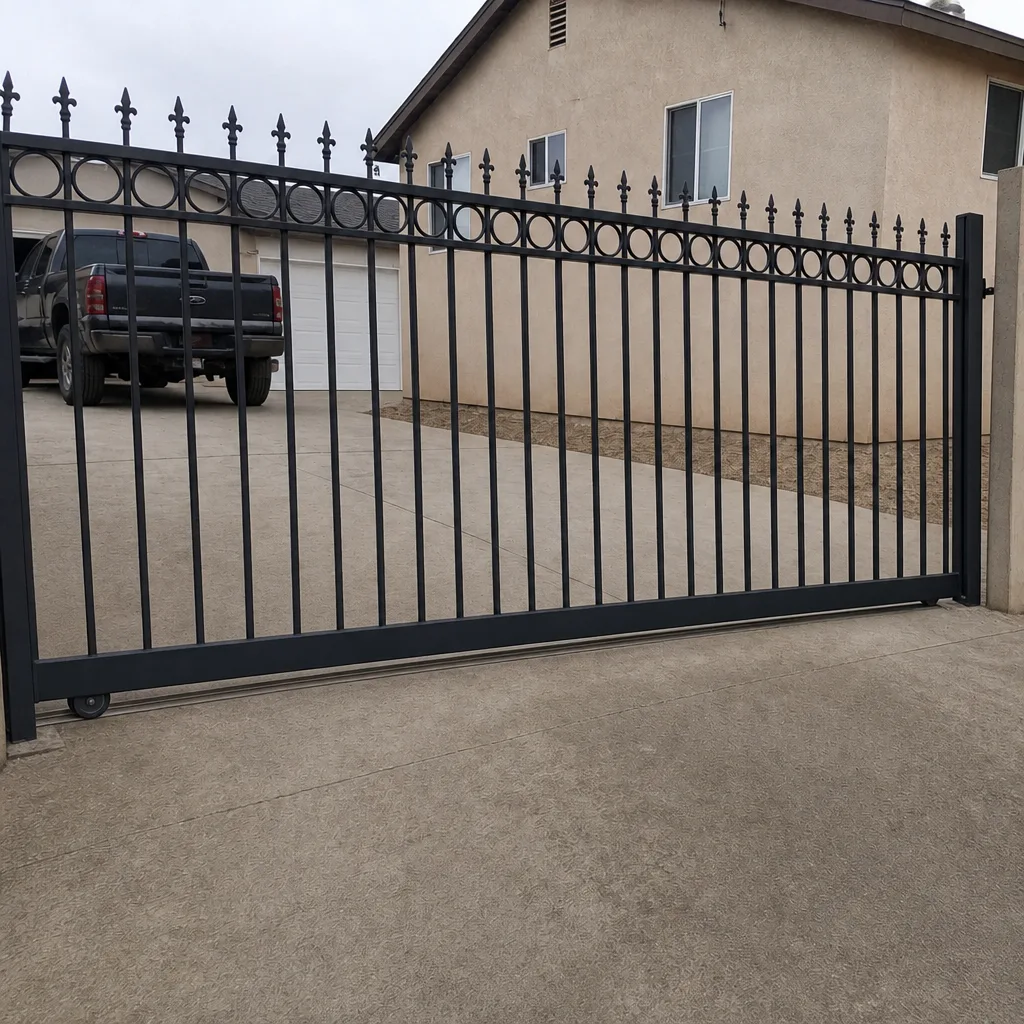
- Sliding driveway gates
- LiftMaster operators
Quick Answer
Gate repair in Moreno Valley usually involves one of five root causes: sensor misalignment, control board failure, power supply problems, mechanical wear on wheels or hinges, or operator motor burnout. Most repairs run between $150 and $900 depending on which component failed, and the fastest way to know is a diagnostic visit that isolates the exact fault before any parts get ordered. Gate Repair Moreno Valley provides free estimates and works on all nine major gate brands, including BFT, Linear, Viking, and Ghost Controls.
Table of Contents
- The Five Root Causes of Gate Failure in Moreno Valley
- How Heat and Dust Accelerate Gate Wear
- Electric Gate Troubleshooting: Operator vs. Control Board vs. Power Supply
- Sliding Gates vs. Swing Gates: Different Failures, Different Fixes
- What You Can Fix Yourself vs. What Requires a Contractor in California
- Repair or Replace: The 3-Year Cost Comparison
- What to Expect During a Gate Repair Visit
- Common Mistakes to Avoid
- When to Call a Professional
- Frequently Asked Questions
- The Bottom Line
The Five Root Causes of Gate Failure in Moreno Valley
Every gate we diagnose in Moreno Valley falls into one of five failure categories. Knowing which one you’re facing changes the repair cost by hundreds of dollars and tells you whether to schedule a visit or grab a screwdriver. Here’s what actually goes wrong, in the order of how often we see it.
- Safety sensor misalignment. Photo eyes and edge sensors get knocked out of alignment by gate vibration, wind, or a bump from a car. A gate that reverses before closing, refuses to close, or beeps but won’t move is often a sensor issue. This is typically the least expensive fix.
- Control board failure. The circuit board inside the operator is vulnerable to power surges and heat. Symptoms include the gate ignoring remotes, opening but not closing, or cycling erratically. Board replacement runs mid-range because the part itself carries the cost.
- Power supply problems. A tripped breaker, a failed transformer, or a short in the low-voltage wiring can kill the gate entirely. No lights on the operator, no response to any input: that’s a power issue until proven otherwise. Sometimes it’s a simple reset. Sometimes it’s a wiring trace through a long conduit run.
- Mechanical wear. Wheels on sliding gates flatten and crack. Hinges on swing gates sag. Chains stretch. Rollers seize. The gate moves but it struggles, scrapes, or makes noise. Mechanical failures left unfixed put strain on the operator and lead to failure number five.
- Operator motor burnout. The electric motor inside the operator burns out when it’s forced to work against a gate that’s binding, heavy, or improperly balanced. This is the most expensive single component. A motor replacement or full operator swap is where repair-versus-replace becomes a real question.
Here’s the thing most guides miss: failures compound. A sensor that gets ignored for six months doesn’t fix itself. The gate keeps fighting, the motor keeps straining, and a $150 sensor alignment turns into an $800 operator replacement. That’s why we always look for the underlying cause, not just the symptom that brought you to the phone. Our gate repair starts with a diagnostic pass that checks all five categories, so the fix we quote is the fix that holds.
How Heat and Dust Accelerate Gate Wear
Moreno Valley summers push past 100 degrees, and the air carries dust from the surrounding valley floor. Both of those facts shorten the life of gate components in ways a coastal or mountain town never sees. Heat expands metals and stresses solder joints on control boards. Dust collects inside operator housings, coating limit switches and clogging photo eye lenses. A gate in Moreno Valley works harder than the same gate in a cool, clean environment, and that shows up in the failure patterns we diagnose every week.
Control boards are the most heat-sensitive part. The enclosure that holds the board is usually metal, usually in direct sun, and internally it can run 20 to 30 degrees hotter than the outside air. Over years, that heat cycles the board’s capacitors. They dry out. The board starts behaving intermittently, then it stops working. Dust accelerates the process by insulating heat and blocking the small ventilation paths inside the housing. When a client in Moreno Valley tells us their gate works in the morning and fails in the afternoon, heat is almost always the variable.
Sensors suffer from dust too. A photo eye with a film of desert dust on its lens loses signal strength. The gate starts and stops. It reverses for no reason. Sometimes a simple lens cleaning fixes it. Other times the sensor has been working against reduced signal for so long that it needs replacement. The point is that climate matters. A generic gate repair guide won’t tell you that dust and heat are active components in your gate’s decline, but in Moreno Valley they are.
The practical takeaway: if you’ve got a gate that acts up only on hot afternoons, mention it when you call. It tells the technician where to look before they even open the panel. We diagnose a lot of Moreno Valley gates over the phone just by asking the right questions about when the failure happens and what the gate does right before it stops.
Electric Gate Troubleshooting: Operator vs. Control Board vs. Power Supply
When an electric gate stops, the problem sits in one of three places: the operator (the motor and mechanical drive), the control board (the logic that tells the motor what to do), or the power supply (everything that feeds electricity into the system). Telling them apart before you call saves time and avoids misdiagnosis. Here’s how to separate the three without opening anything dangerous.
The Operator (Motor and Drive)
If the gate hums but doesn’t move, the operator is trying to work against a mechanical bind or a failed capacitor. If the gate moves slowly or stops partway, the motor may be overheating or the drive mechanism is worn. Operators are mechanical. They make noise when they fail. A completely silent gate is usually not an operator problem.
The Control Board (Logic and Commands)
If the gate responds to some inputs but not others, the board is the prime suspect. A board that won’t accept remote programming, won’t close on a timer, or cycles open and closed repeatedly without command is a logic failure. Boards can also fail partially: the gate opens fine but won’t auto-close, or the keypad works but the remote doesn’t. That’s board behavior, not motor behavior.
The Power Supply (Voltage and Wiring)
If there are no lights on the operator, no beeps, no movement, and no response from any input, start with power. Check the breaker. Check whether the outlet the gate runs from has voltage. Low-voltage wiring failures happen too: a nicked wire underground, a corroded splice, a transformer that failed quietly. Power problems look dramatic but are often the simplest fix.
Our electric gate repair follows this exact sequence: confirm power, test the board, test the operator. It’s the same diagnostic order we’d walk through on any gate from a residential Ghost Controls opener to a commercial Viking installation. The sequence matters because it prevents the expensive mistake of replacing a board when the problem was a tripped breaker.
Sliding Gates vs. Swing Gates: Different Failures, Different Fixes
A sliding gate and a swing gate are mechanically different machines, and they fail for different reasons. If you know which type you have, you can predict most of what will go wrong with it over a decade of Moreno Valley use.
Sliding Gates
Sliding gates ride on wheels along a track or across a cantilevered beam. The gate’s weight sits entirely on those wheels and bearings. In Moreno Valley’s dust, the wheels collect grit and lose their smooth rotation. The gate starts to lurch. A lurching slide gate puts side load on the chain and the motor. Chains stretch. Sprockets wear. Eventually the gate comes off its track or the operator can’t move the weight. Sliding gate failures are almost always mechanical first: wheels, track, chain, or guide rollers. The operator usually survives unless the mechanical problem was ignored long enough to burn out the motor.
Swing Gates
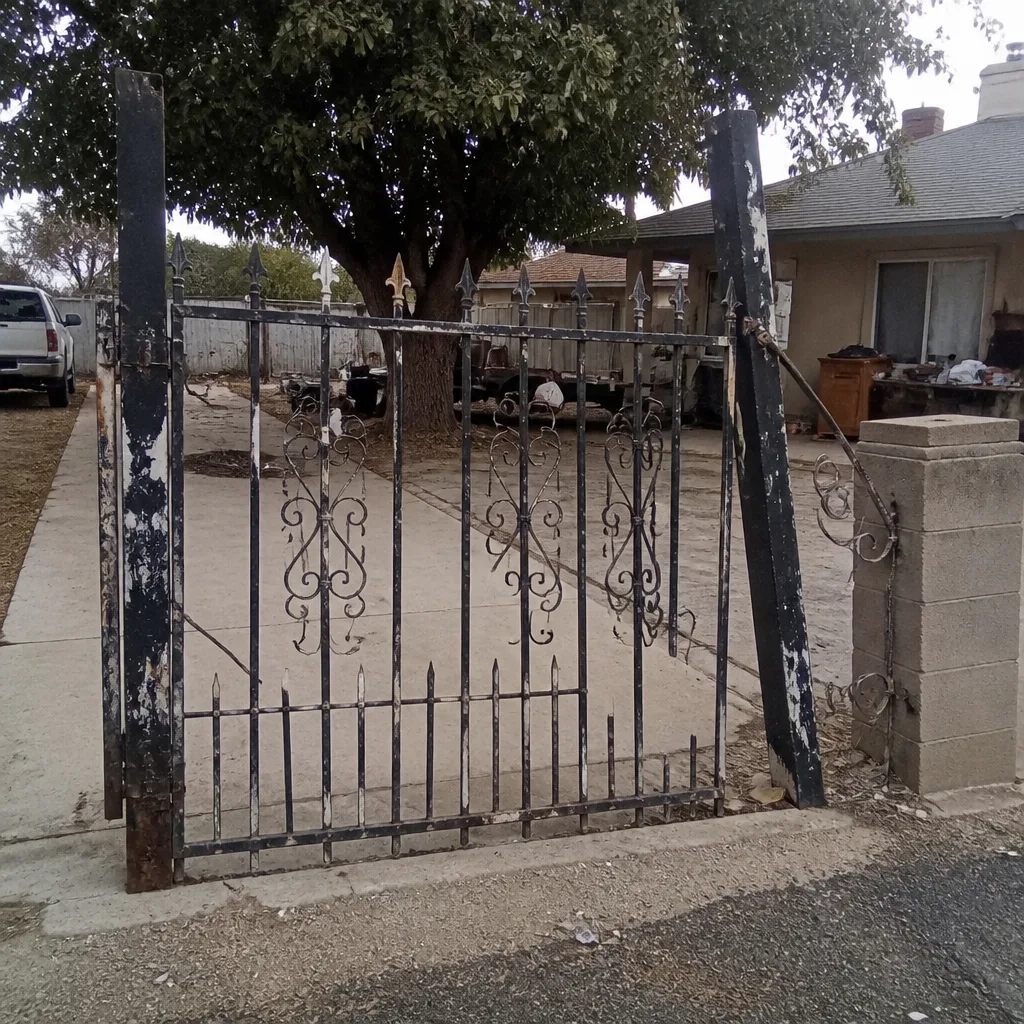
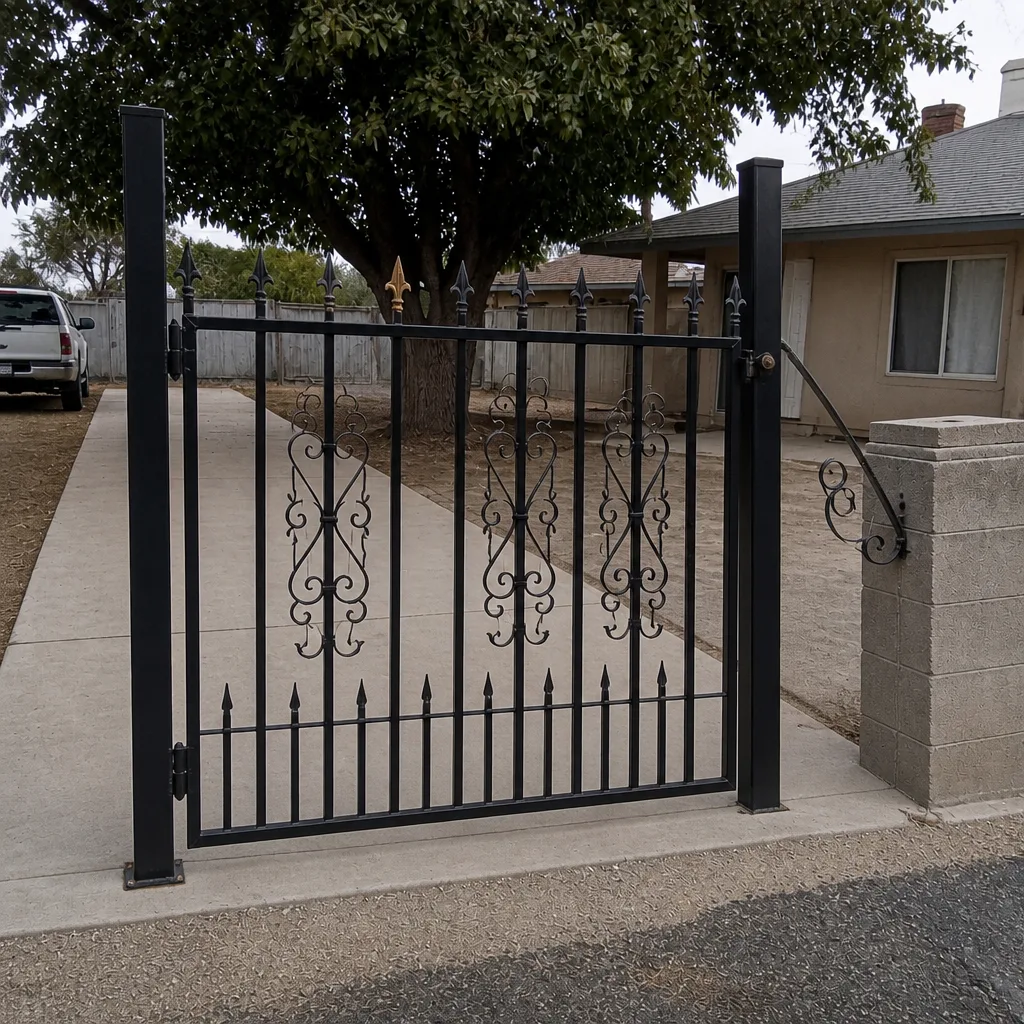
Swing gates hang from hinges on posts or pillars. Gravity is the enemy. A heavy gate with worn hinges sags. The latch stops lining up. The operator, which is usually an arm or an underground unit, has to lift the gate slightly with every cycle. Swing gate failures are usually hinge or operator-arm problems. Every fraction of an inch the gate sags adds leverage against the opener. In Moreno Valley, where temperatures swing between hot days and cooler nights, metal posts expand and contract, and hinges that were tight in spring are loose by fall.
The diagnostic sequences are different too. For a sliding gate, we check wheels and track before the operator. For a swing gate, we check hinges and post alignment before the board. The wrong sequence leads to replacing good parts while the real problem stays bolted to the post. A Gate Repair Moreno Valley technician arrives knowing which type of gate you have and starts with the failure points specific to that design.
What You Can Fix Yourself vs. What Requires a Contractor in California
Some gate maintenance is safe for a homeowner. Some is not. And some work falls under California contractor licensing rules that require a licensed professional. Here’s the honest breakdown.
Safe to Handle Yourself
- Cleaning photo eye lenses with a soft cloth
- Tightening visible hinge bolts and hardware
- Lubricating wheels, rollers, and hinge pins with a dry lubricant
- Clearing debris from the track on a sliding gate
- Replacing remote batteries and reprogramming remotes per the manual
- Resetting a tripped breaker (once)
Leave to a Licensed Contractor
- Any wiring inside the operator housing or junction boxes
- Control board replacement or diagnosis
- Operator motor replacement
- Repairing or replacing safety sensors and edge detectors
- Structural repair to posts, pillars, or the gate frame itself
- Any installation work over $500 in labor and materials, per California contractor law
Electrical work on a gate operator carries real risk. The operator runs on line voltage, and the presence of a control board doesn’t make it low-voltage safe everywhere inside the panel. A wrong connection can damage the board, the motor, or the person doing the work. Safety sensors are a life-safety system: a misadjusted sensor can fail to detect a car, a child, or a pet in the gate’s path. That’s not a place for guesswork.
For anything in that second list, a licensed gate specialist is the right call. Gate Repair Moreno Valley works on gates across Moreno Valley and handles the electrical, mechanical, and structural sides with the right tools and a clear written estimate before any work starts.
Repair or Replace: The 3-Year Cost Comparison
There’s a point where repairing an old gate costs more over three years than replacing it once. Knowing where that line sits helps you make a decision with your eyes open, especially when a repair quote arrives and it’s bigger than expected.
Here’s the honest math. A quality gate operator for a residential application in Moreno Valley typically runs between $700 and $1,500 installed depending on the brand and the gate’s size. A control board replacement is often $250 to $550. A motor replacement is $400 to $900. A full gate structure replacement with installation runs $2,500 to $7,000 or more depending on materials and length.
If your gate is 15 years old and needs a control board now, a motor in the next year, and the steel is rusting through at the welds, you’ll spend $1,500 on repairs over three years and still own a 15-year-old gate. Or you can put that money toward a new installation with a fresh operator, new sensors, and a warranty on everything. The decision hinges on the gate’s structure. If the steel and hinges are sound, repair usually wins. If the structure is failing, repair money is wasted money.
We give you that assessment honestly. We’ll tell you when a repair extends the gate’s life for years and when a Gate Repair Moreno Valley installation is the better financial move. We’re not incentivized to push replacement; we’re incentivized to give you a gate that works. Sometimes that means a $300 board. Sometimes it means a new gate.
What to Expect During a Gate Repair Visit
Here’s how a typical diagnostic and repair visit goes, step by step, so you know what’s happening and why.
- We confirm the gate type and operator brand. Sliding or swing? BFT, Linear, Viking, Ghost Controls, or another brand? The brand and model tell us where the common failure points are before we touch anything.
- We run the power check first. Voltage at the outlet, the breaker, the transformer. If there’s no power, nothing else matters.
- We test the control board. We check for diagnostic LEDs, error codes, and whether the board is sending output signals. This separates logic failure from motor failure.
- We test the operator under load. We watch the gate move. We listen. We feel for binding on a sliding gate or sag on a swing gate.
- We inspect sensors and safety devices. Photo eyes, edge detectors, loops if present. We confirm they’re aligned and functioning before we declare the diagnosis.
- We write the estimate. You get a specific price for the specific repair, in writing, before any work starts. There’s no surprise invoice at the end.
- We complete the repair and test the full cycle. Open, close, stop, reverse, sensor interrupt. The gate works or we don’t leave.
Most repairs are done in one visit. If a part needs to be ordered, we tell you that up front with a realistic timeline. We stock common parts for the brands we service, which shortens the wait for many Moreno Valley jobs.
Common Mistakes to Avoid
- Ignoring a noisy gate because it still opens. A gate that scrapes or groans is telling you something is wearing out. Every cycle with a mechanical bind pushes the operator closer to motor failure. In Moreno Valley’s dust, the progression from noisy to dead happens faster than you’d think.
- Resetting the breaker repeatedly without investigating why it tripped. A breaker that trips once may be a fluke. A breaker that trips weekly is a symptom. Repeated resets without finding the short is how small wiring problems become board replacements.
- Replacing the remote batteries when the board is the problem. We see this constantly. The remote gets fresh batteries, the gate still doesn’t open, and the frustration builds. If fresh batteries don’t fix it, stop guessing and get a diagnostic.
- Lubricating a sliding gate with the wrong product. Wet lubricants collect Moreno Valley dust and turn into grinding paste. Use a dry lubricant, and only on the parts that actually need it.
- Forcing a gate open or closed when the operator is engaged. An automatic gate that’s fighting you is either in manual mode, partially powered, or bound up. Forcing it can strip gears, bend arms, or pull the gate off its track. If the gate won’t move easily by hand, call before you make it worse.
- Waiting until the gate fails completely to schedule repair. Intermittent problems are diagnostics waiting to happen. The gate that quits every other day is easier to fix than the one that quits permanently, and it’ll cost less to fix before cascading failures set in.
When to Call a Professional
Call a gate professional when the gate doesn’t respond to any input, when it moves but doesn’t stop correctly, when it reverses unexpectedly, when you hear grinding or smell burning, or when the gate won’t stay on its track or alignment. These are failures that point to electrical or structural problems you don’t want to troubleshoot by feel. The diagnostic step is where expertise pays for itself, because replacing the wrong part in a gate system is expensive and doesn’t fix the gate. Gate Repair Moreno Valley offers free estimates in Moreno Valley. Call (844) 614-1023. We answer 24/7. Fast dispatch from 7am to 7pm, Sunday through Friday.
Frequently Asked Questions
Gate repair in Moreno Valley typically runs between $150 and $900 depending on the failed component. Sensor adjustments and limit switch replacements are on the lower end. Control board replacements and operator motor replacements are on the higher end. The written estimate sets the final price before any work starts, so you’ll never face an invoice bigger than the quote. Call (844) 614-1023 for a free estimate on your specific gate.
Many gate repairs in Moreno Valley are completed in a single visit, especially when the problem is a sensor, limit switch, or power issue. Fast dispatch from 7am to 7pm, Sunday through Friday, gets a technician to your property quickly. If a part needs to be ordered, we’ll tell you the timeline up front. Call (844) 614-1023 and we’ll tell you what we can do for your situation.
We work on all nine major gate system brands, including BFT, Linear, Viking, and Ghost Controls, along with LiftMaster, FAAC, DoorKing, Elite, and Mighty Mule. We’re brand-agnostic: we repair whatever gate is already on your property, with no pressure to switch brands. If your gate has an operator from any of those manufacturers, we have the diagnostic experience and parts access to handle it.
Check whether the operator has power (lights, beeps, any sign of life), whether the breaker is tripped, and whether the remote or keypad is sending a signal. If the gate hums but doesn’t move, it’s a mechanical bind or capacitor issue. If it’s completely silent, it’s a power problem. For anything beyond those basic checks, call (844) 614-1023 for a diagnostic visit. Estimates are free.
Repair is usually the right call when the gate structure, hinges, and posts are sound. Replace when the structural steel is rusting through, the hinges are sagging beyond adjustment, or you’re looking at a third major component failure in two years. We’ll give you an honest cost comparison for your specific gate, and the written estimate is free. Call (844) 614-1023 to schedule a look.
Most cities require a permit for new gate installations and sometimes for major structural repairs, so it’s worth asking Moreno Valley’s building department about your specific project. Electrical work on a gate operator should always be handled by a licensed contractor. For repairs that don’t involve structural changes, permits are typically not required, but we can advise you on what your project needs when we see the gate.
The Bottom Line
Gate failures in Moreno Valley come down to five root causes: sensors, boards, power, mechanical wear, and operator burnout. Heat and dust make each of them worse here, and the difference between a cheap fix and an expensive one is usually how early you catch the problem. Sliding gates and swing gates fail differently, and so do their diagnostic paths. When you need help, call a gate specialist rather than a generalist, and get a written estimate before work starts. That’s how you get a gate that works, in Moreno Valley, without paying for parts or guesswork you don’t need.
Written by the team at Gate Repair Moreno Valley, serving Moreno Valley since 2015.
See the difference
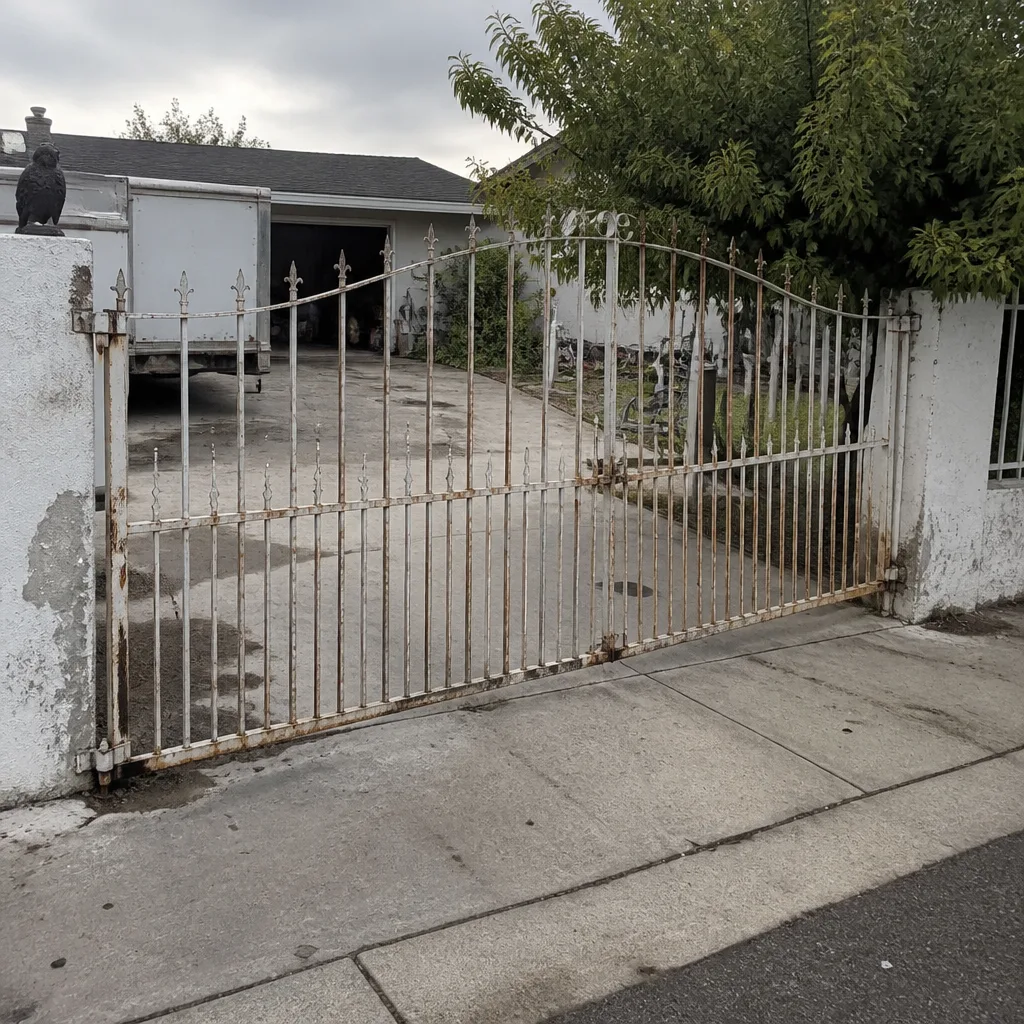 Before
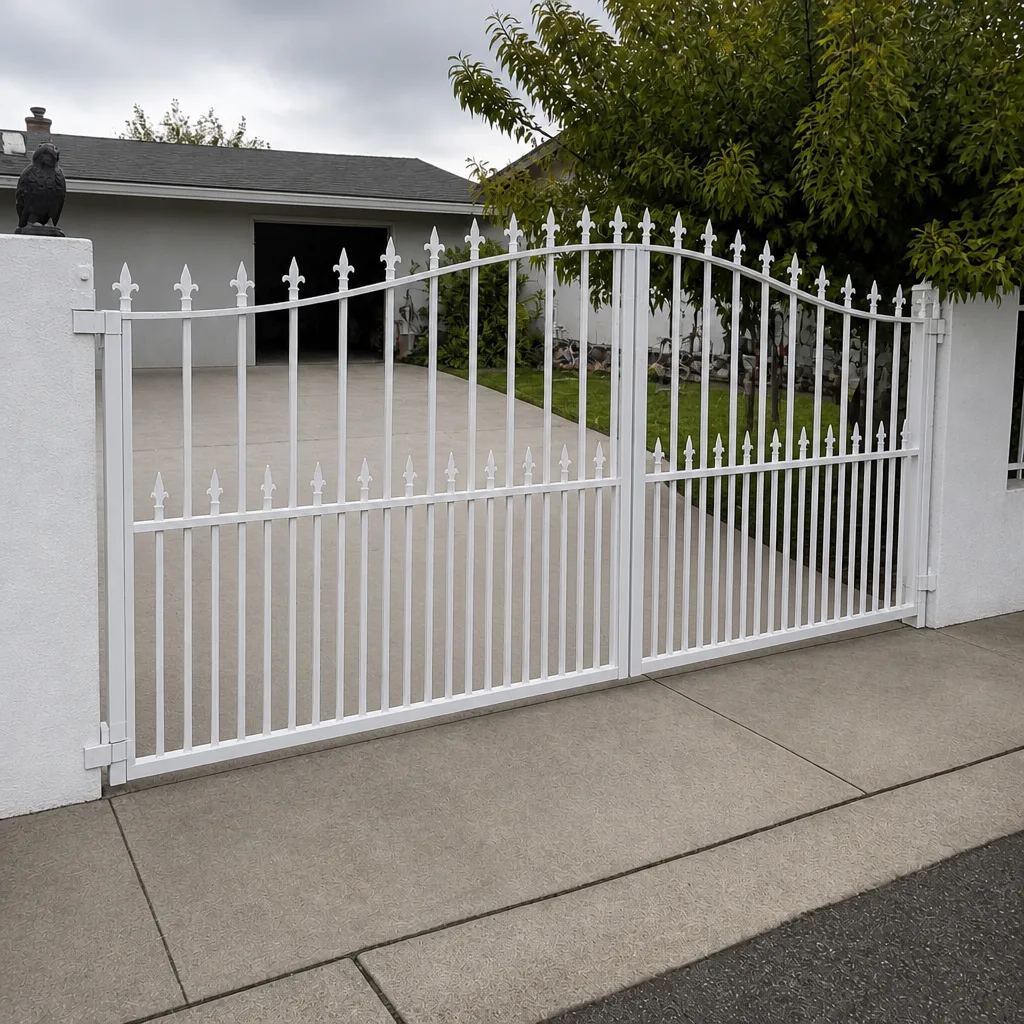 After
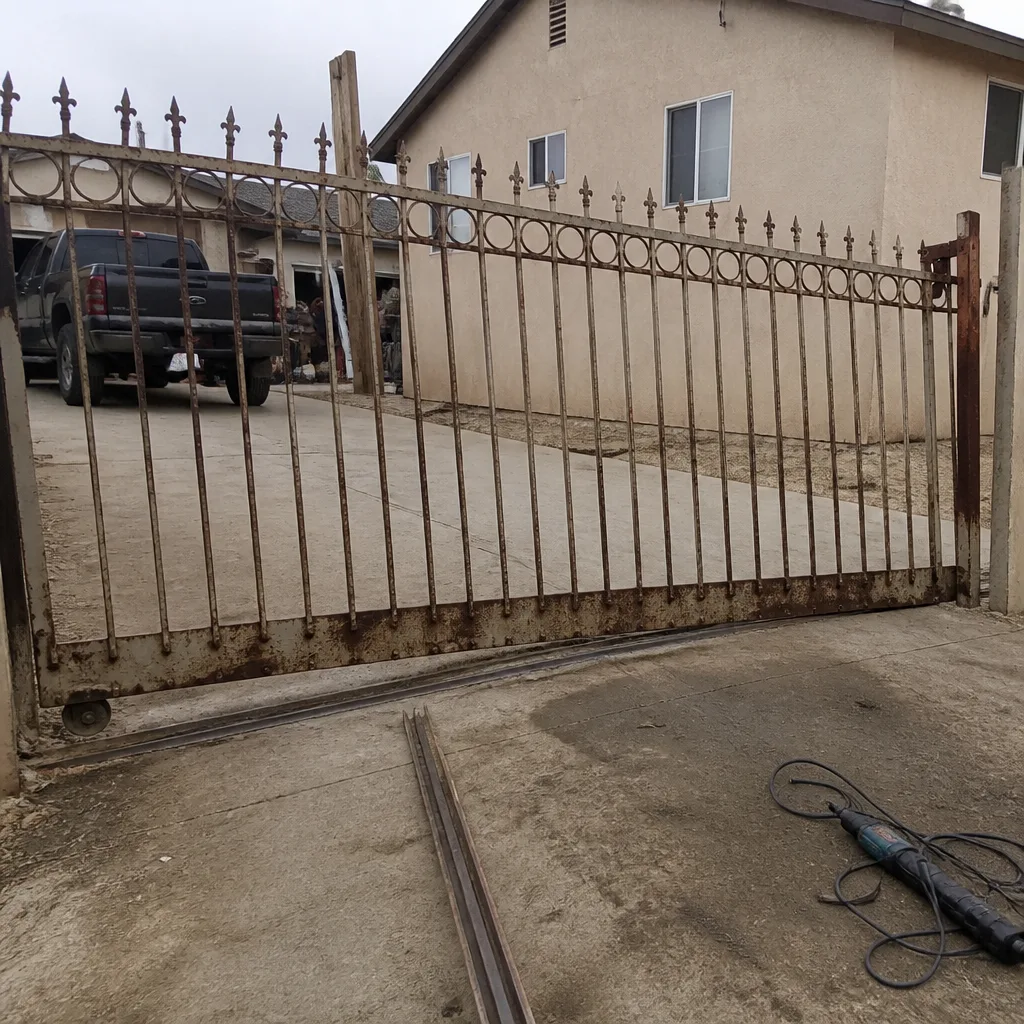 Before
 After
 Before
 After